If rock climbing is your passion, a climbing trip to Japan can be a truly unique and unforgettable experience.
Japan may not have Fontainebleau’s thousands of boulder problems or Yosemite’s iconic big walls, but Japan has various climbing areas, each with its own unique culture, local food, and atmosphere.
Climbing trip in Japan can be an unforgettable way to spend your days.
5 Best Places to Go Rock Climbing. Below are five recommended climbing destinations—not just for their routes, but also for the experiences you can have off the wall.
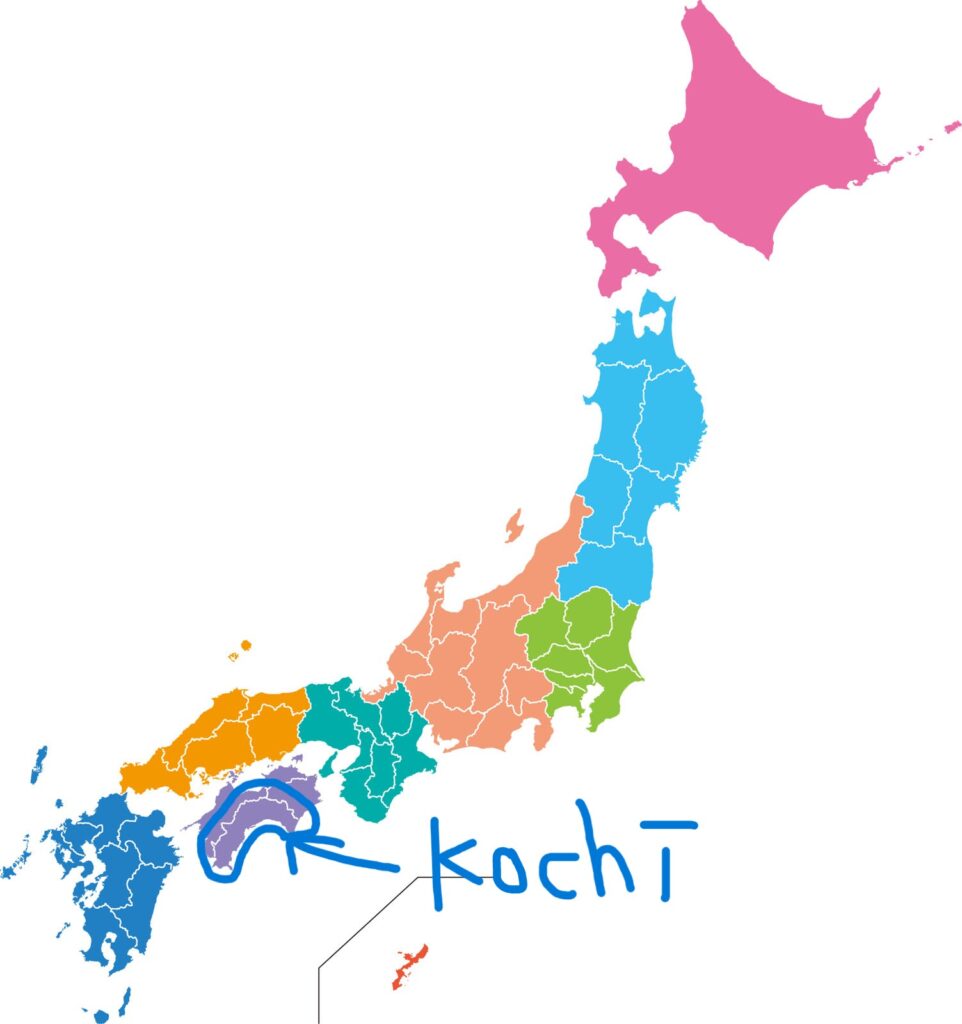
1. Kouchi(Shikoku)
Climbing style: Boulder & Lead (Trad)
Accessibility: ★★★☆☆
Tourism appeal: ★★★★★
Climbing quality: ★★★★★
Season: November – April
Overview
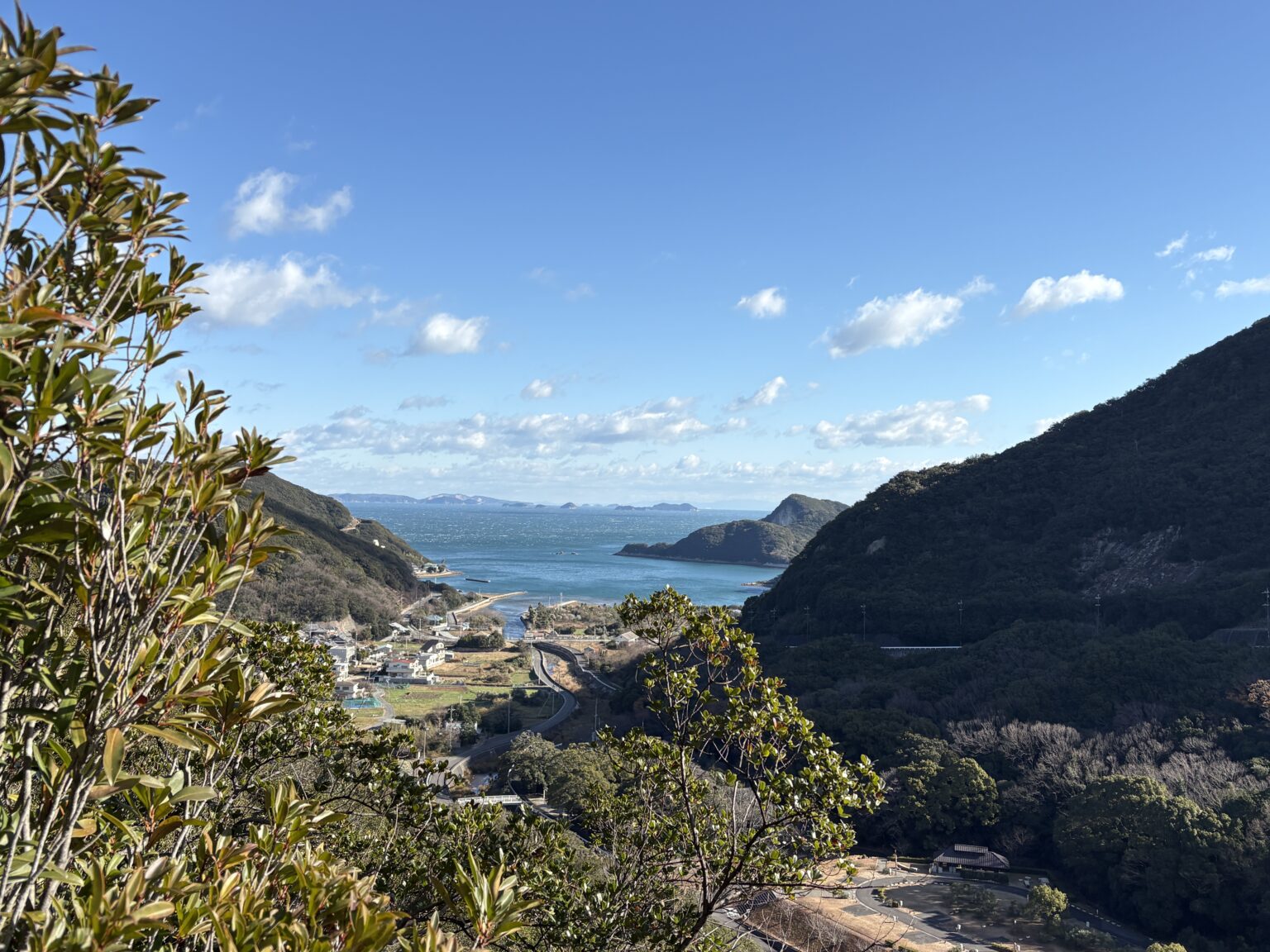
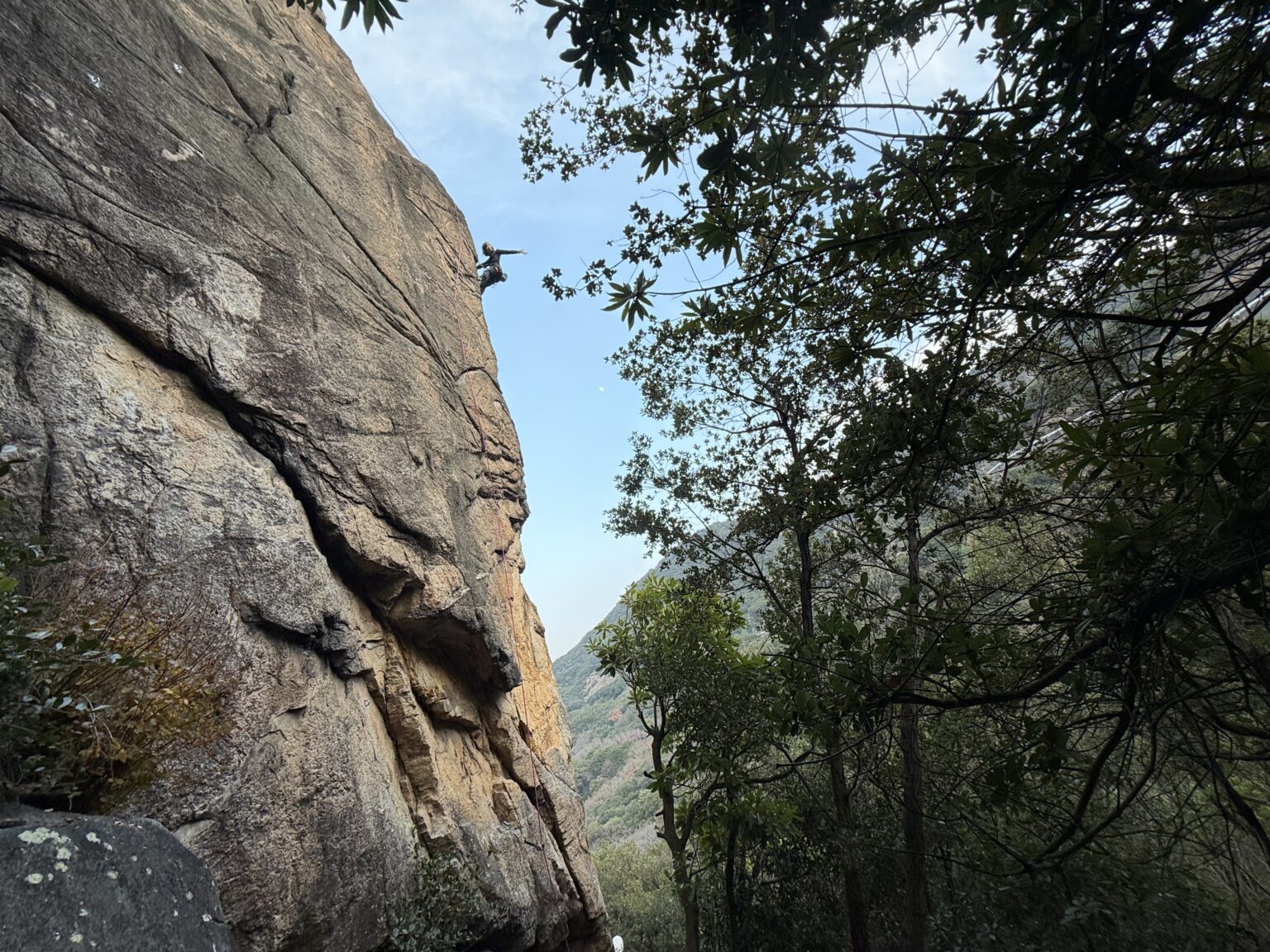
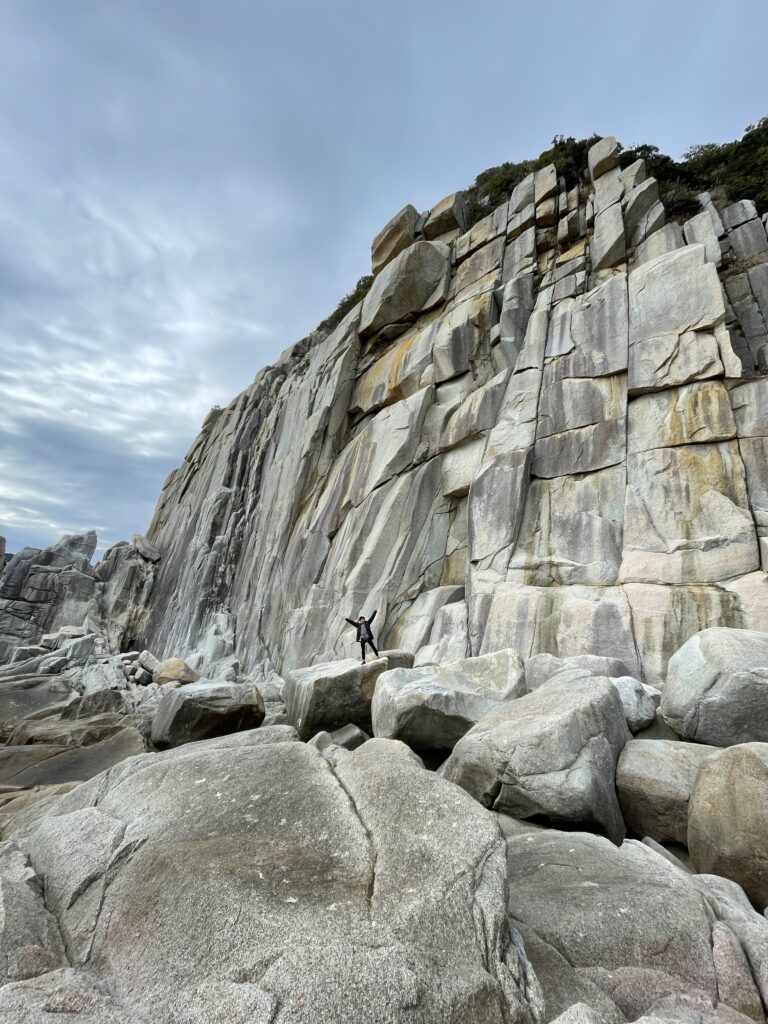
Kochi offers both excellent bouldering and crack climbing areas.
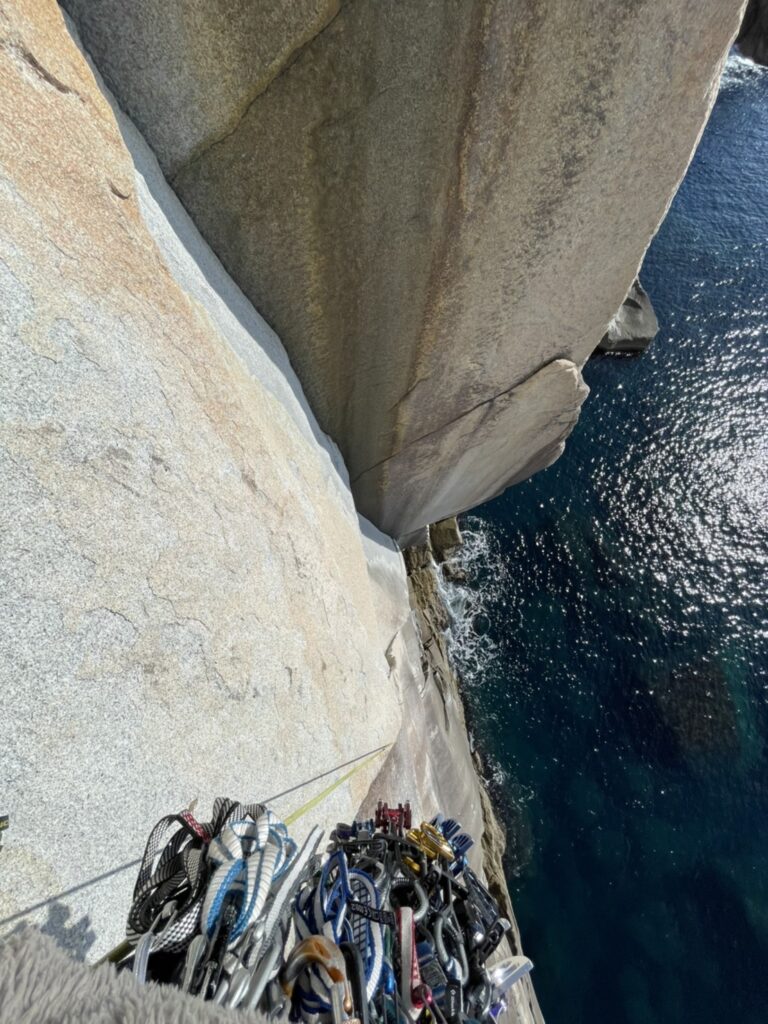
For bouldering, the Kuroshio Boulders and Monobe Area—both located along the southern area—are highlights. For lead climbing, Odo Coast, on the western tip of Kochi, is highly recommended.
Season
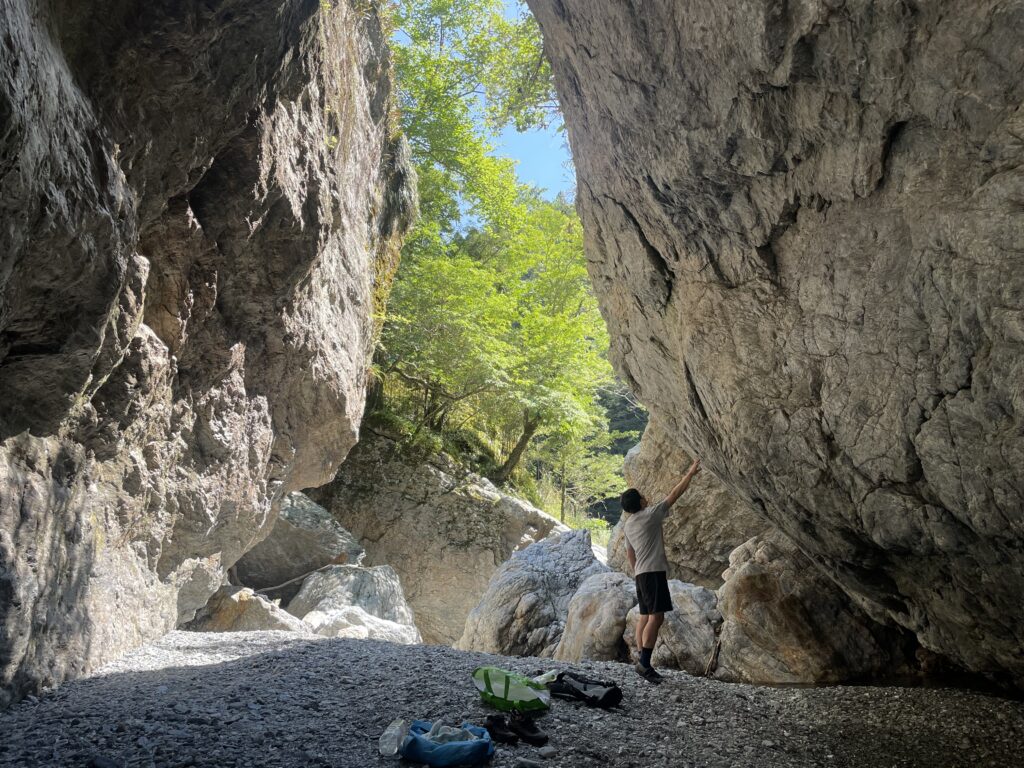
Located in warm Shikoku, Kochi’s best climbing season is late October to April.
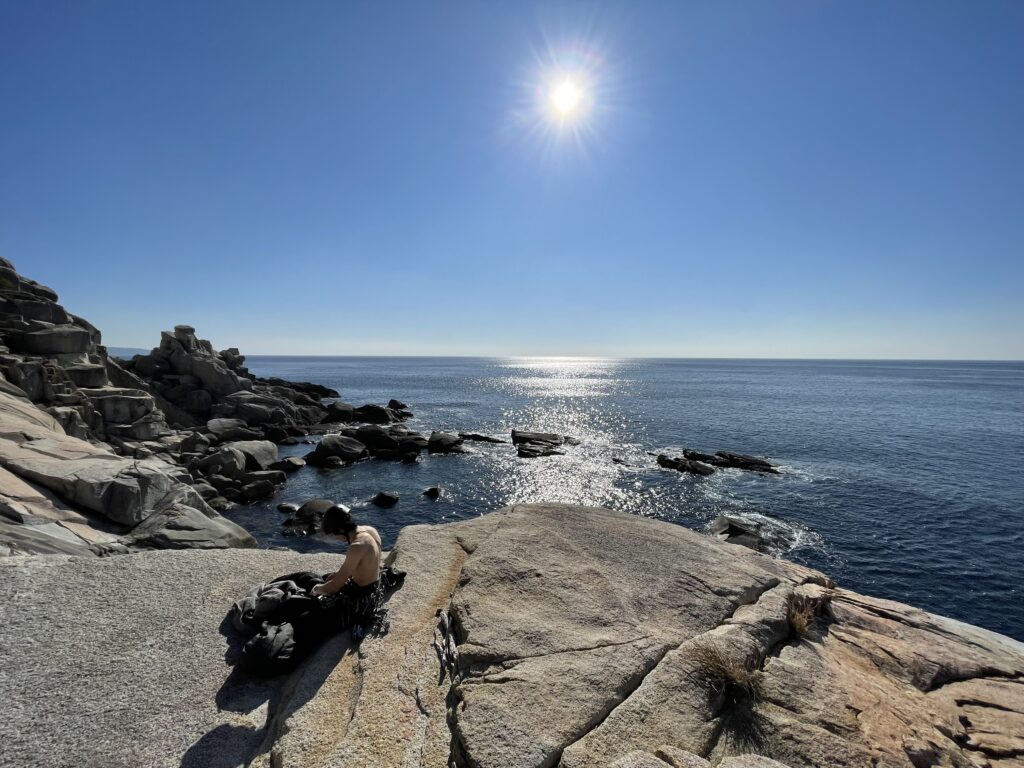
・Kuroshio Boulders and Odo Coast: Best in winter due to sunny seaside locations.
・Monobe Area: In a valley—better in spring and autumn. In summer, it’s suitable for casual climbing or playing in the river.
Rest Days & Rainy Days
Kochi has a high number of sunny days, making it a great travel destination. Rather than spending rest days in cafés, explore the natural scenery. The valleys in Kochi Prefecture are all so beautiful that just being there makes me happy. Kochi Prefecture is one of my favorite places.
・Niko Buchi – Very beautiful scenery. Highly recommended.
・Shimanto River – Famous for swimming and river activities.
・Tosa Washi Village – Try making traditional Japanese washi paper.
・Yosakoi Festival – A traditional dance festival (Aug 9–12). On that day, tourists from all over Japan will come to visit.
Food
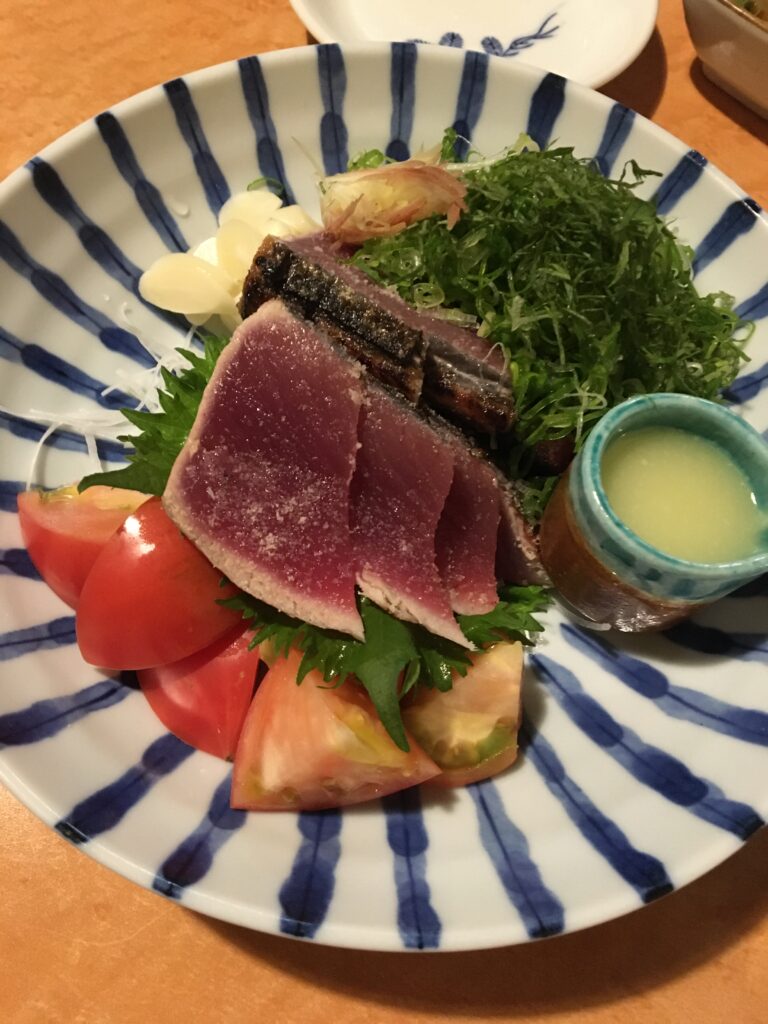
Kochi is known for fresh seafood—especially bonito (katsuo). Personally, I prefer buying ingredients at local supermarkets and cooking for myself to get a deeper feel for the culture, but I’ll also introduce some restaurants.
Recommended spots:
・Hirome Market – Bustling food court-style market.
・Yasubei – Famous street gyoza.
・Suzunoya – Excellent Japanese dishes.
・Manshio – Top-quality seafood.
・Yamada Kaisan fresh fish store – Family-run fish shop popular among climbers headed to Odo Coast. Call ahead and be punctual.
Gear
Local climbing shops are limited—bring your gear. Crash pad rental is available at Allez! climbing gym.
Topos
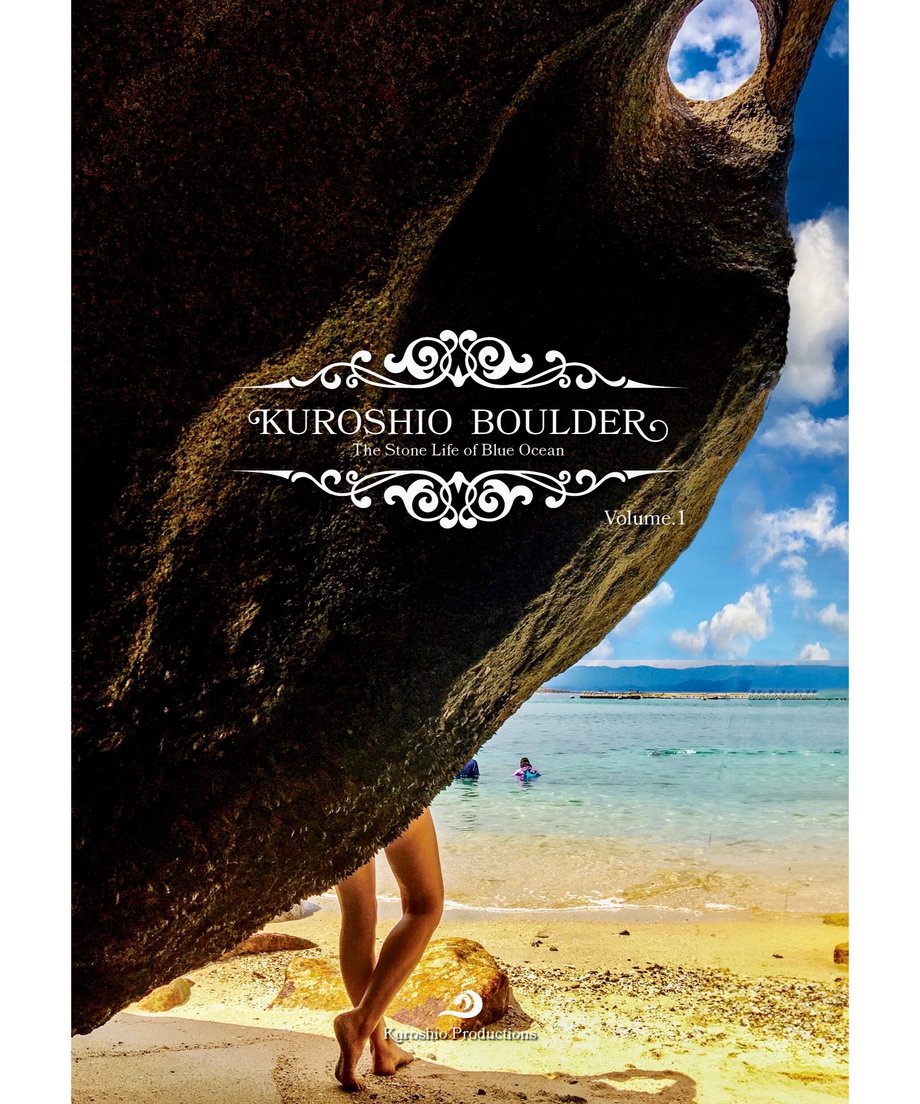
・Kuroshio Boulders
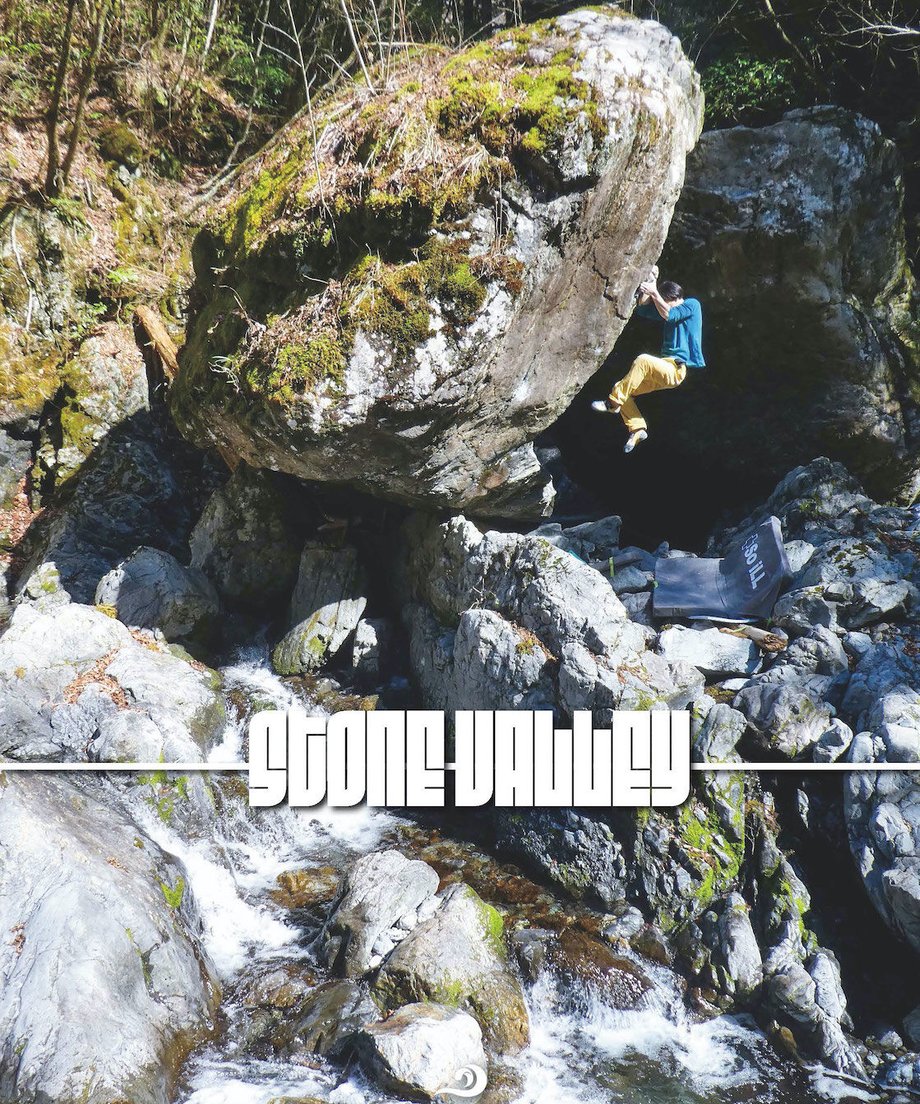
・Monobe Area
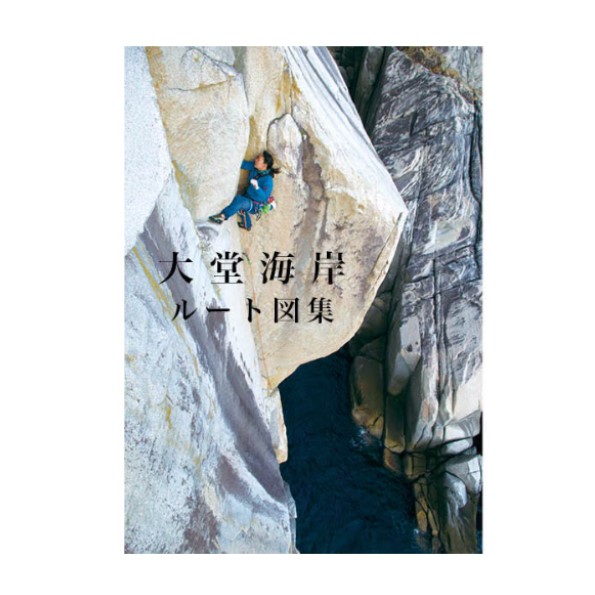
・Odo Coast
Where to Stay
・For bouldering: Kochi City is convenient and has great dining. Dormy Inn Kochi is a comfortable option.
・For Odo Coast: I recommend staying at nearby campsite or at a Hotel in Sukumo or Shimanto City.
Getting There
Kochi Ryoma Airport connects via domestic flights from Tokyo and Osaka. From Osaka, driving takes about 3.5 hours, and trains take around 4 hours.
2. Mizugaki & Ogawayama (Yamanashi)
Climbing style: Boulder & Lead (Sport, Trad, Multi-pitch)
Accessibility: ★★☆☆☆
Tourism appeal: ☆☆☆☆☆
Climbing quality: ★★★★★
Season: May – October
Overview
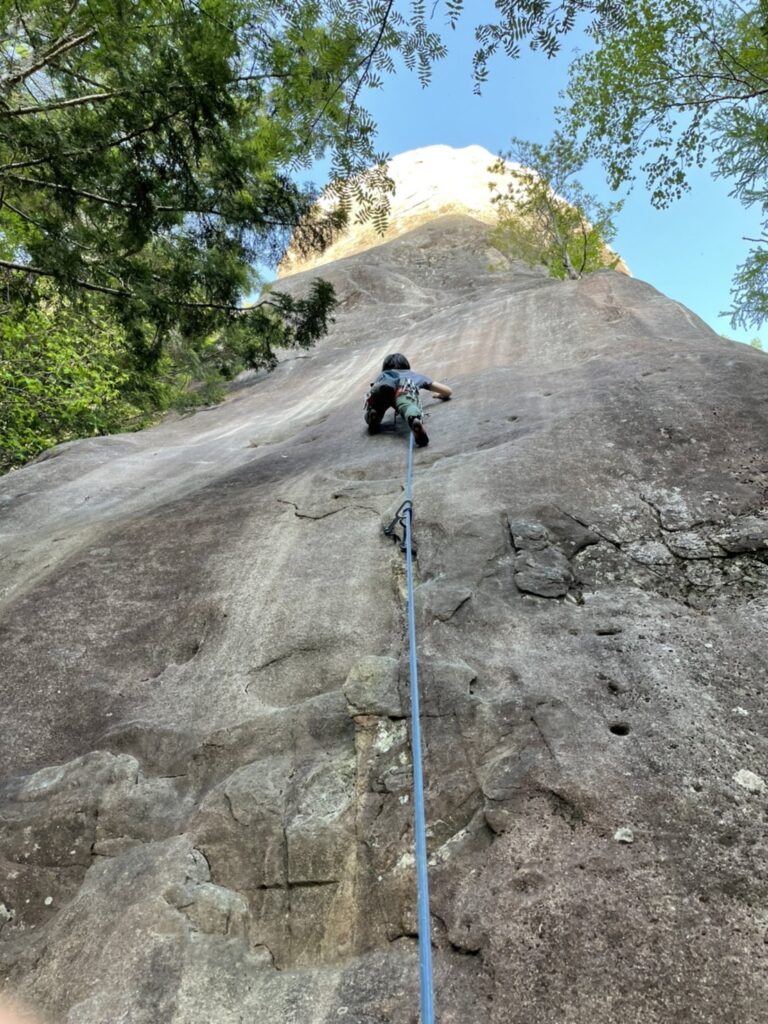
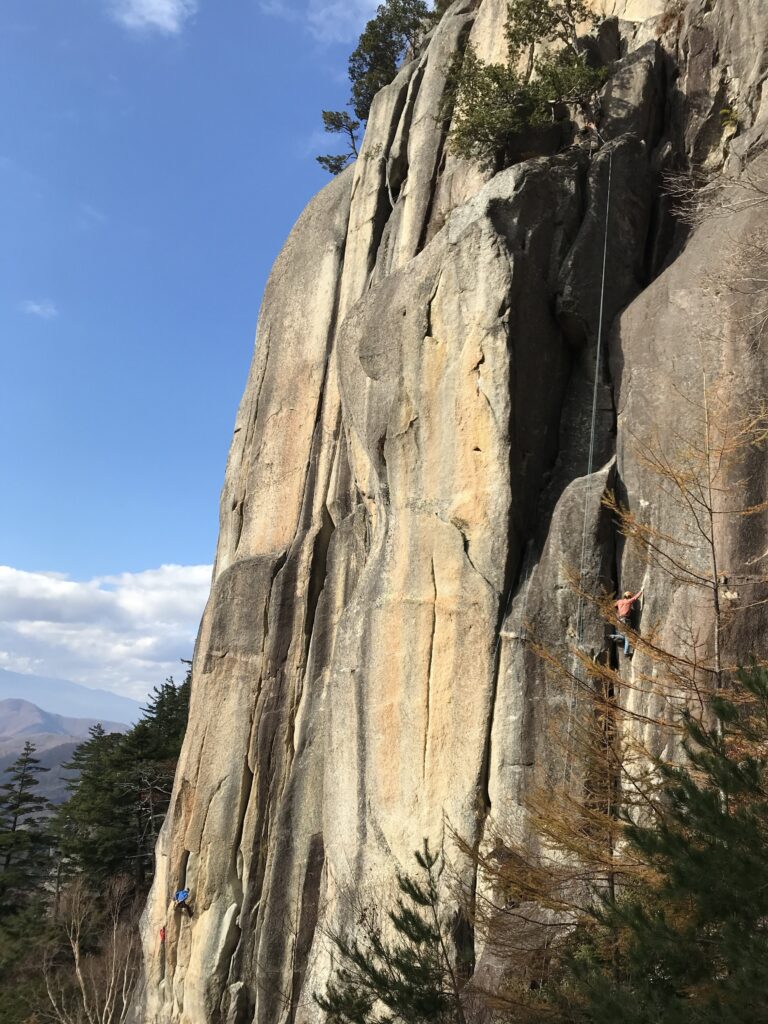
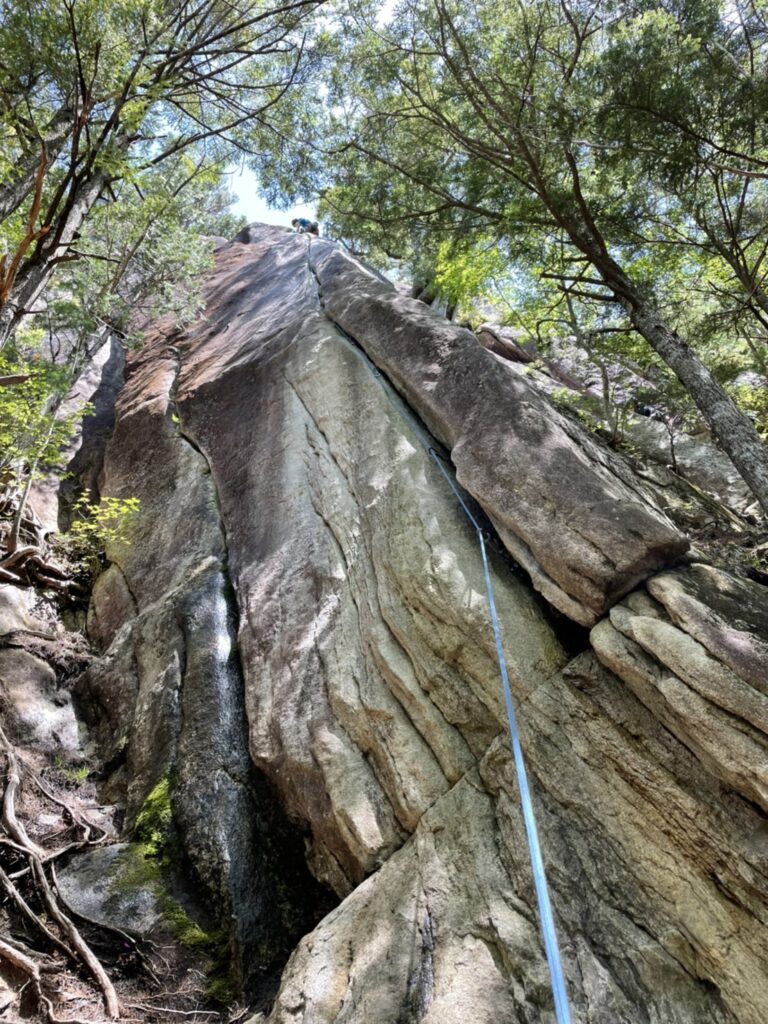
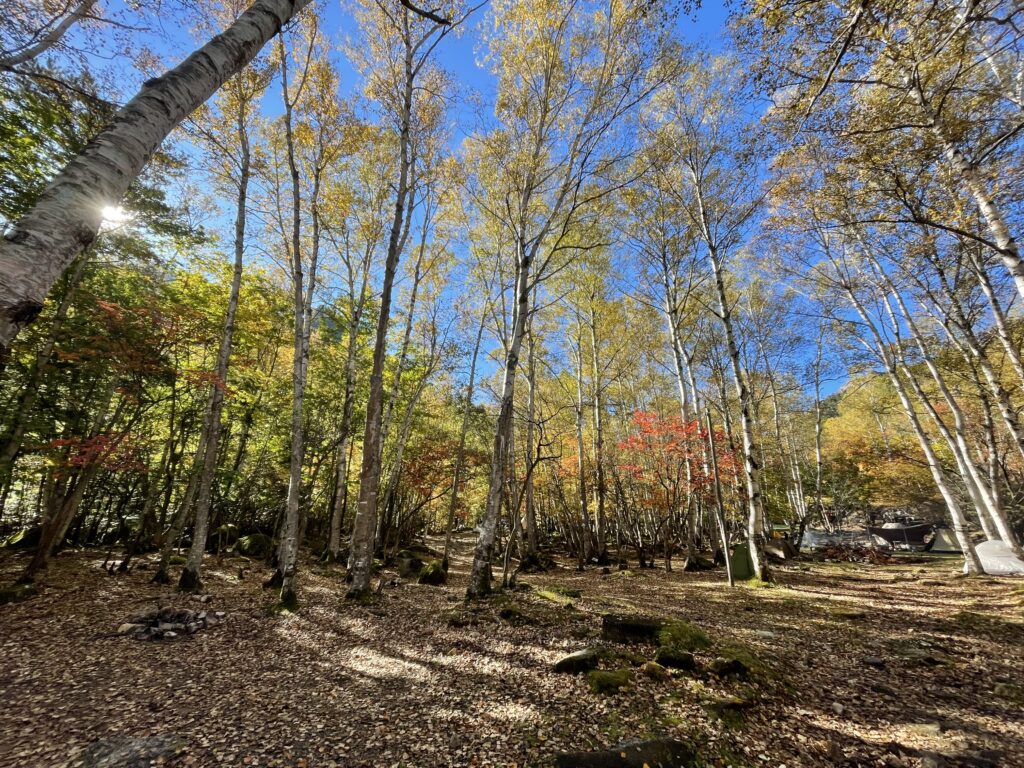
These granite areas in Hokuto City are arguably the most popular among Japanese climbers, with nearly 1,000 routes across bouldering, sport, and multi-pitch. The diversity means there’s something for every climber.
Season
Snow closes the area in winter. (But some boulderers climb year-round.) The main season is May–October. Summer days can be hot in the sun, but nights are refreshingly cool. In any case, this is a mountain area, which means the weather is changeable and it rains often.
Rest Days & Rainy Days
This area is more specialized for climbing, so it may not be enough to experience Japanese culture. But the nearby highland resort of Kiyosato (about 1 hour away) offers:
・Doryu Falls – Serene waterfall.
・Seisenryo – Pastureland with famous ice cream.
・Kiyosato Terrace – Panoramic views.
Food
・Mizugaki Shokujidokoro – Wild game dishes from a climber couple.
・Zenkeian – Soba noodles.
・Kuno Pan / Pan Yamani – Excellent bakeries.
・Nana’s Kawakami – Popular climber supermarket (go early to avoid sold-out goods).
Gear
Roof Rock – Small but well-stocked shop. It located on the same premises as Nana’s Kawakami. Crash pad rental available.
Topos
・Mizugaki

・Ogawayama

Where to Stay
Most climbers camp:
・Ogawayama – Mawarime-daira Campground.
・Mizugaki – Mizugaki Nature Park Campground.
Hotels and pensions are available in Kiyosato.
Getting There
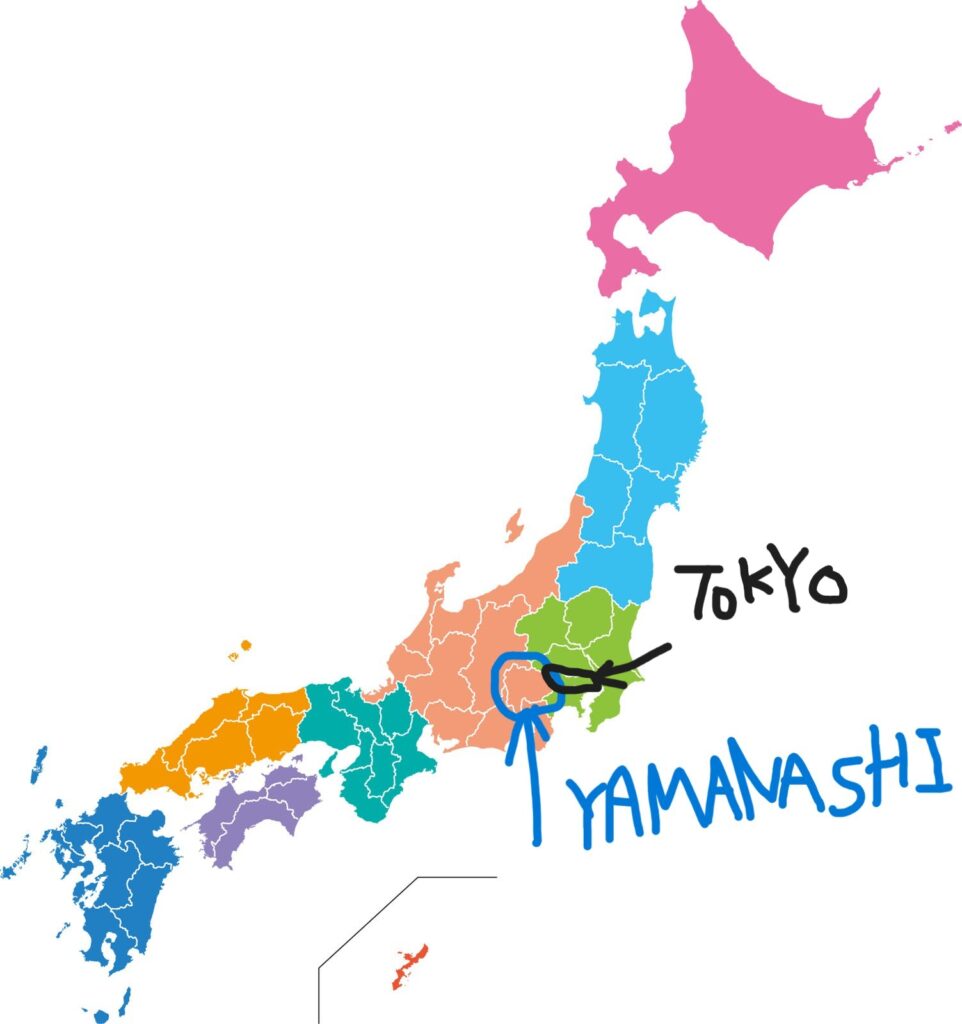
Most people drive from Tokyo. However, it may be difficult to navigate Tokyo’s extremely congested roads according to Japanese rules. The best option is to take the train to Nirasaki Station, which is close to the area, and then rent a car from there.
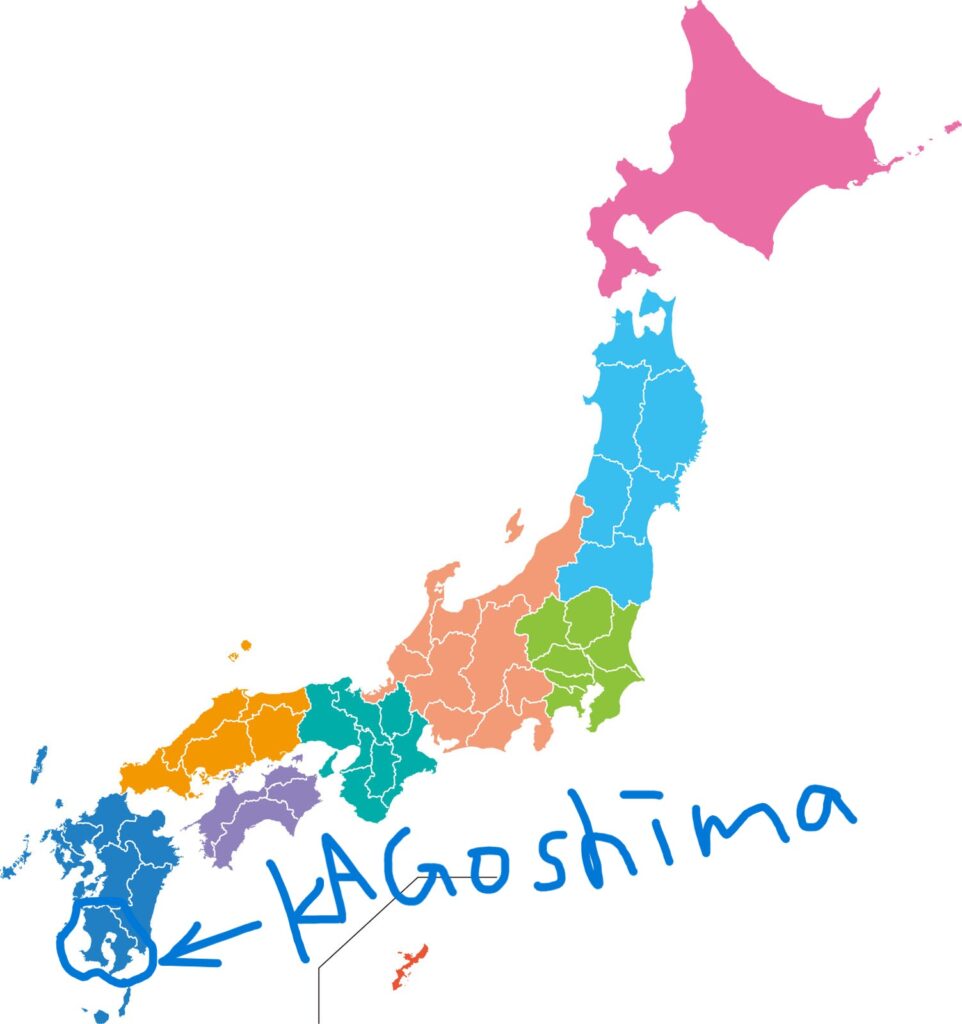
3. Kishira (Kagoshima, Kyushu)
Climbing style: Boulder
Accessibility: ★★★☆☆
Tourism appeal: ★★★★☆
Climbing quality: ★★★☆☆
Season: November – March
Overview
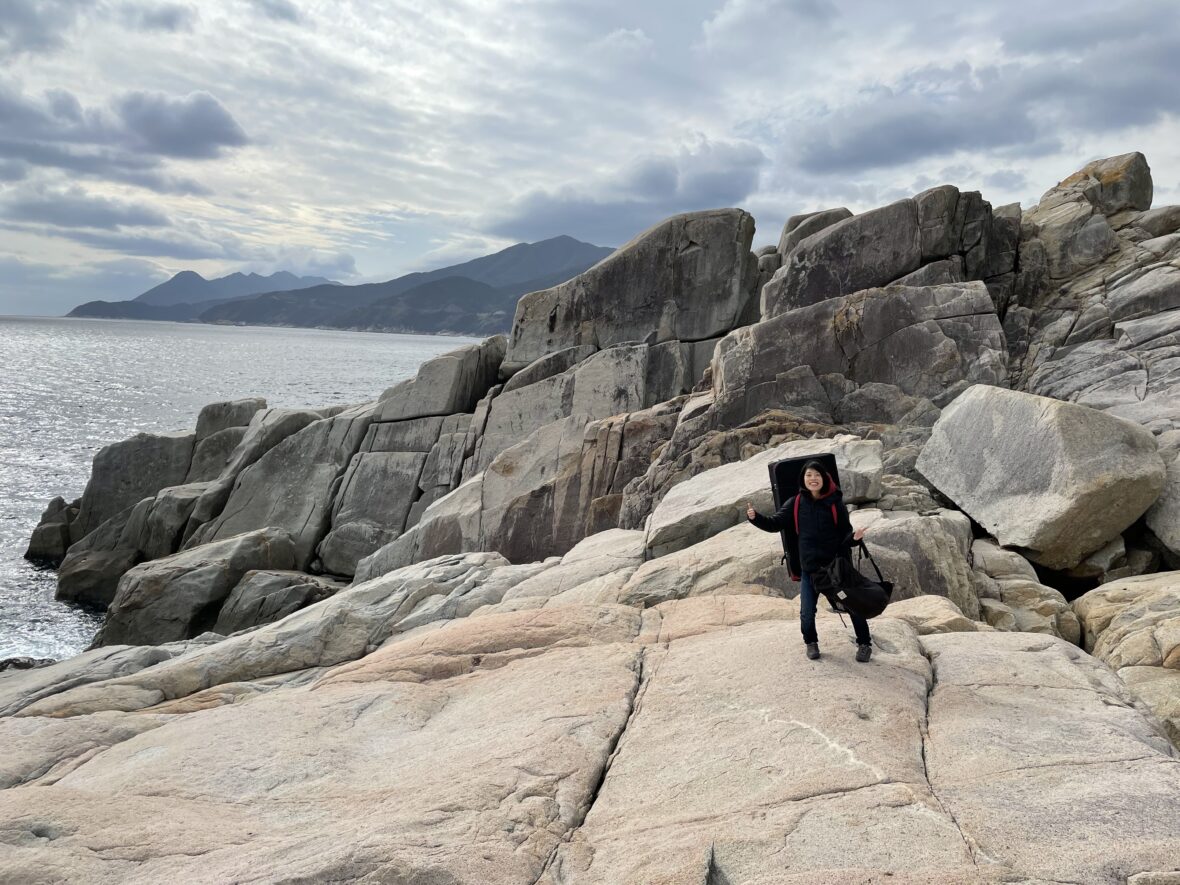
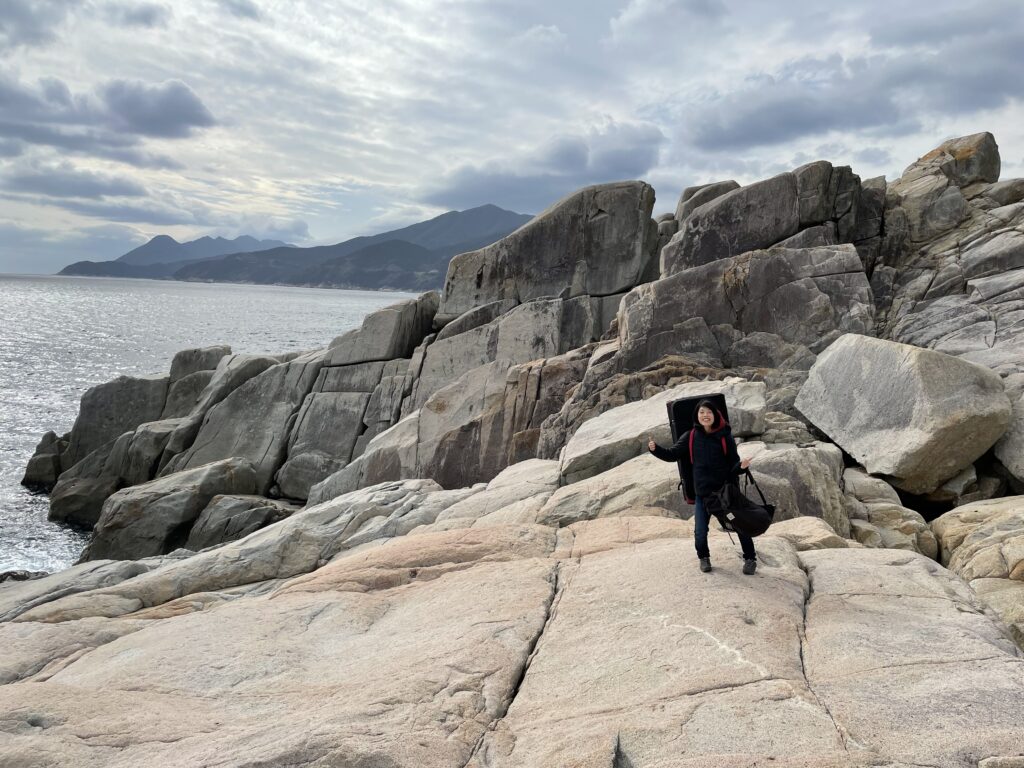
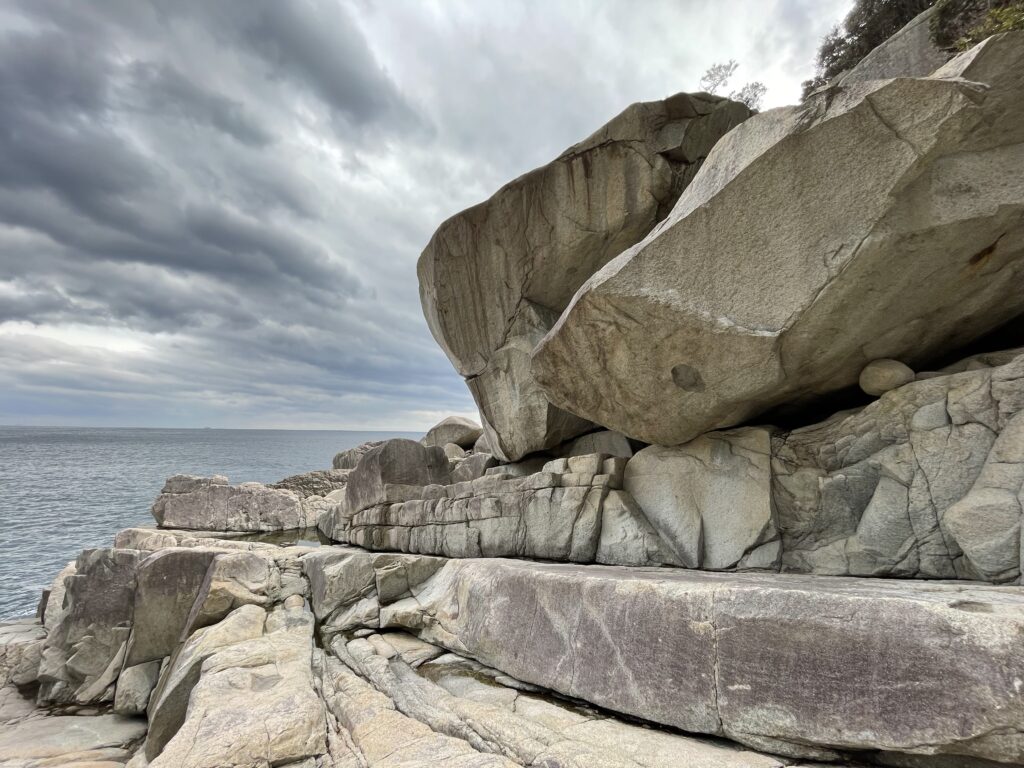
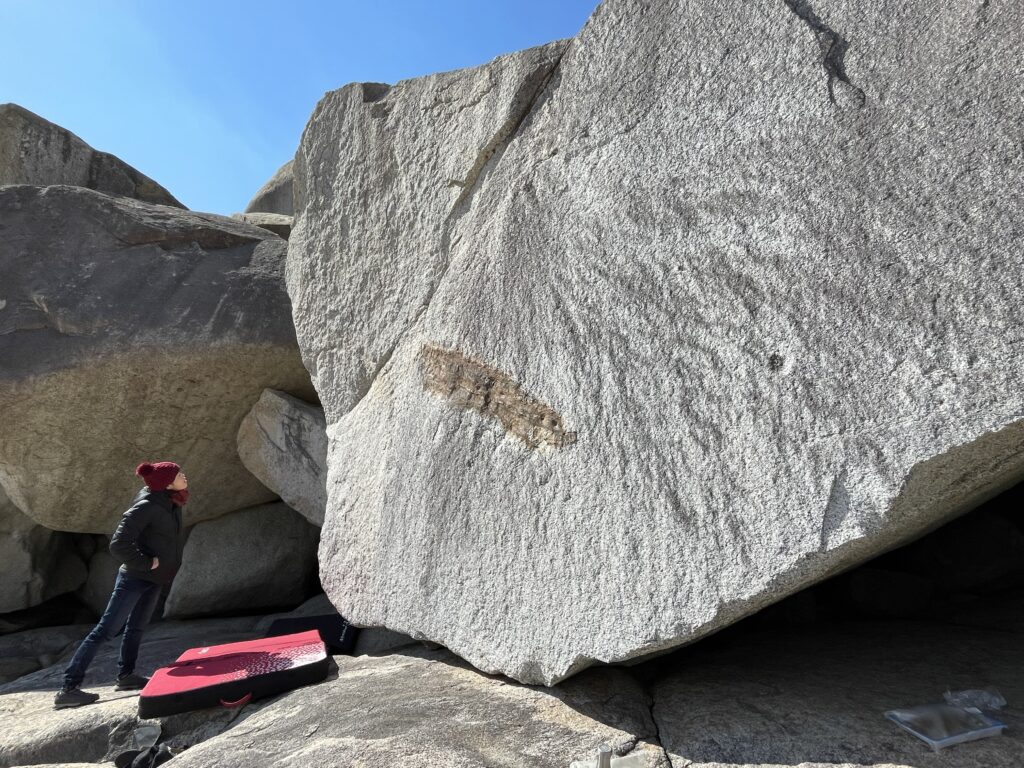
Kishira Boulders located along the coast in southern Kagoshima Prefecture, it’s warm and comfortable even in the middle of winter. The scenery of the huge white rocks and blue sea is so beautiful that just being there will make you feel happy.
Season
Warm year-round, so best in winter. On sunny days in December, you might climb in short sleeves. But strong winds can make it chilly, so bring warm layers. (It’s so hot in the summer that it’s impossible to climb.)
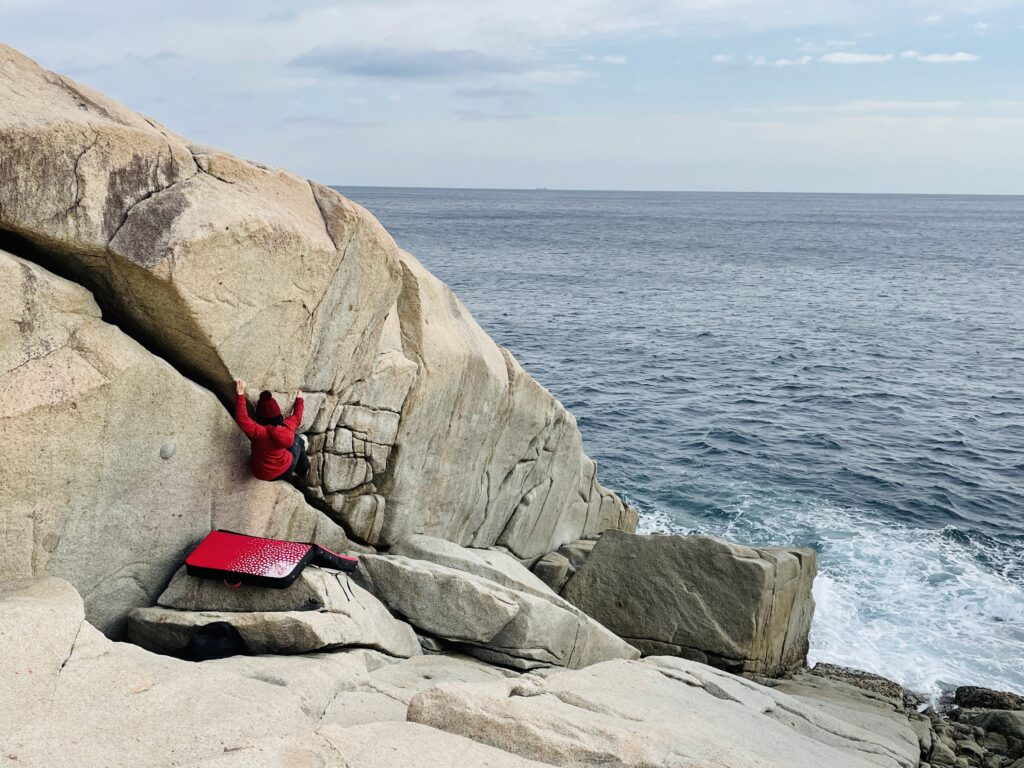
Dolphin’s first dream V6
Rest Days & Rainy Days
Kagoshima is located in southern Kyushu and is blessed with volcanoes, hot springs, and abundant nature. Its proximity to the continent has also allowed it to develop a unique culture as a gateway to the west since ancient times. It’s a place where you can experience and enjoy nature, culture, and Food.
・Sakurajima – Active volcano.
・Sugawara Shrine – The shrine stands alone on the island. The location is fantastic.
・Sarugajo Gorge – Emerald river canyon.
・Ibusuki Onsen – Famous sand baths.
・Yakushima – UNESCO World Heritage island. It’s about a 30-minute flight from Kagoshima Airport.
Food
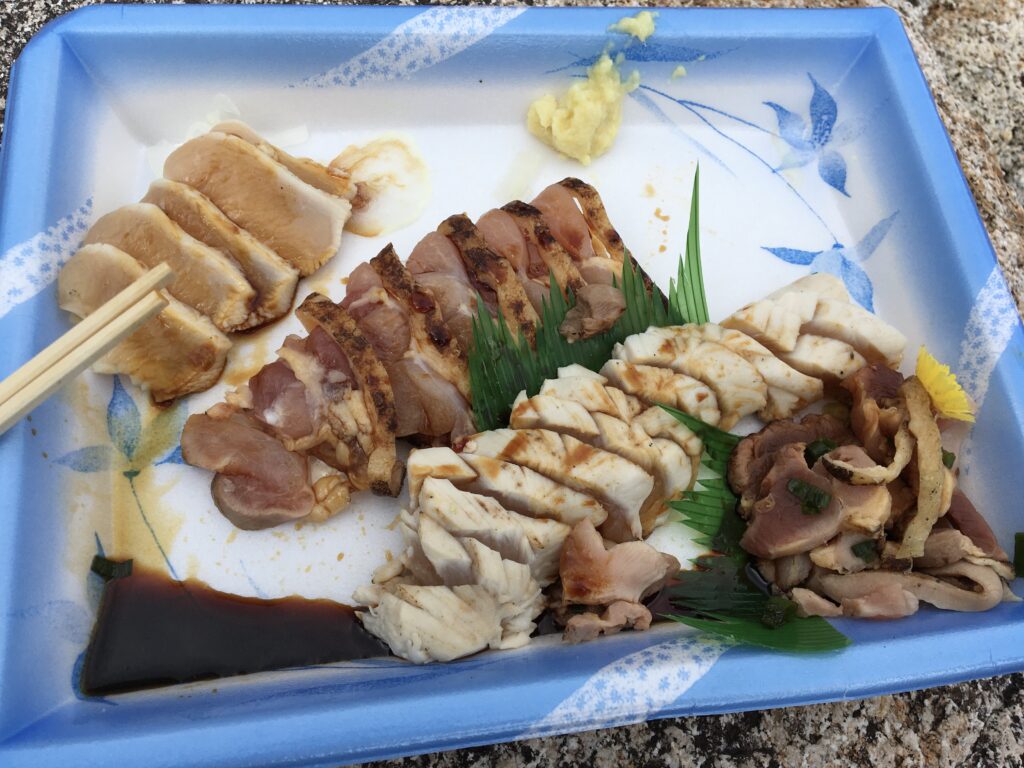
Seafood, tori-sashi (raw chicken sashimi), and Kurobuta pork are local specialties. Personally, I prefer buying ingredients at local supermarkets and cooking for myself to get a deeper feel for the culture, but I’ll also introduce some restaurants.
・Minato Shokudo – Fresh seafood.
・Tonkatsu Take-tei – Famous for pork cutlets.
・Torisashi (local cuisine) – The chicken is lightly grilled and then thinly sliced for easy eating.
・Satsuma-age (local cuisine) – Fish paste deep fried in oil.
Gear
No local shops—rent or bring everything before arriving.
Topos
・Kishira

Where to Stay
Campgrounds nearby, or hotels in Kanoya City such as Hotel R9 The Yard Kanoya.
Getting There
Fly into Kagoshima Airport, then rent a car. Driving from other parts of Japan is not practical unless you love long road trips.
4. Mitake (Tokyo)
Climbing style: Boulder
Accessibility: ★★★★★
Tourism appeal: ★☆☆☆☆
Climbing quality: ★★★☆☆
Season: Late March–June, Late September–November
Overview
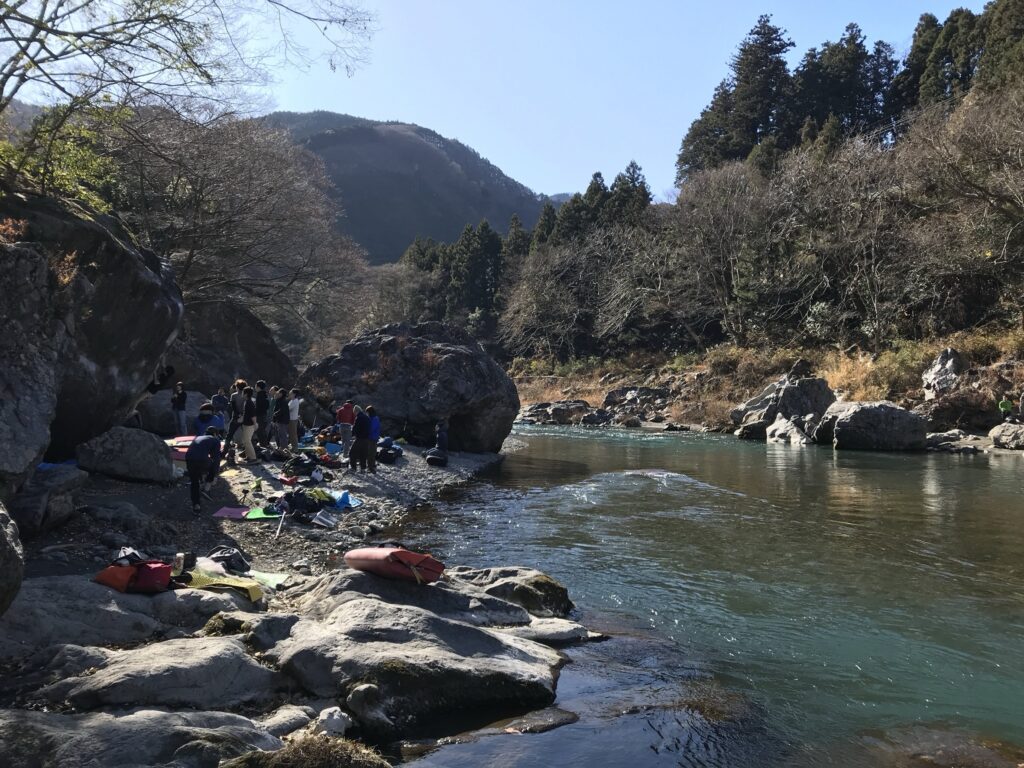
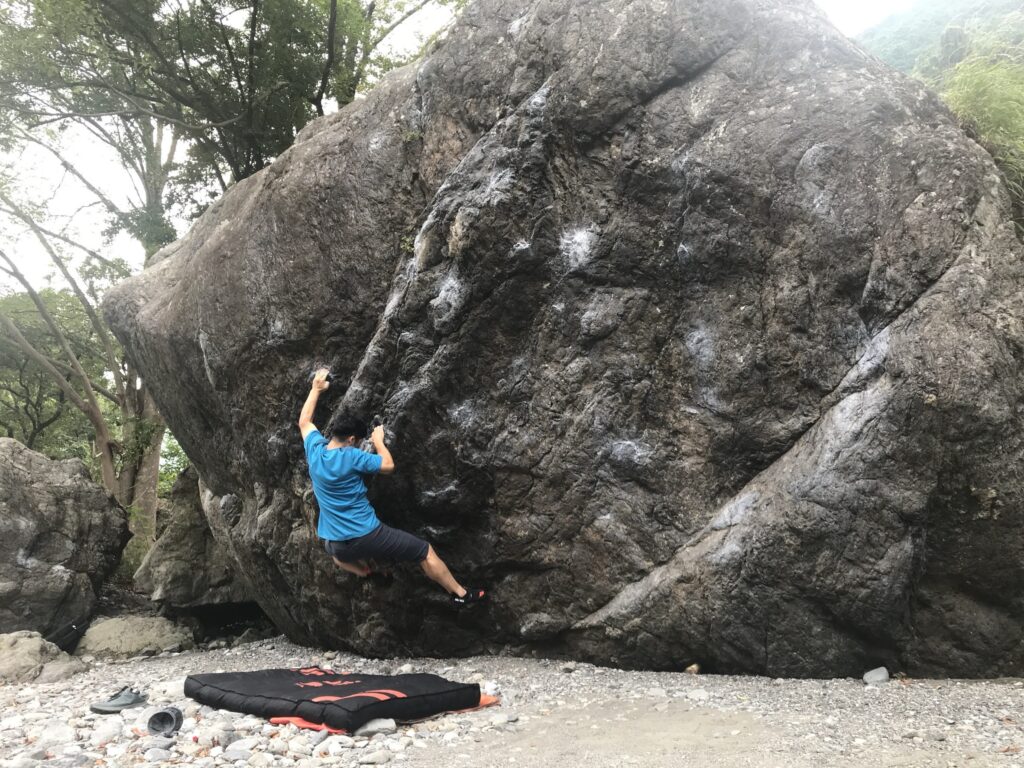
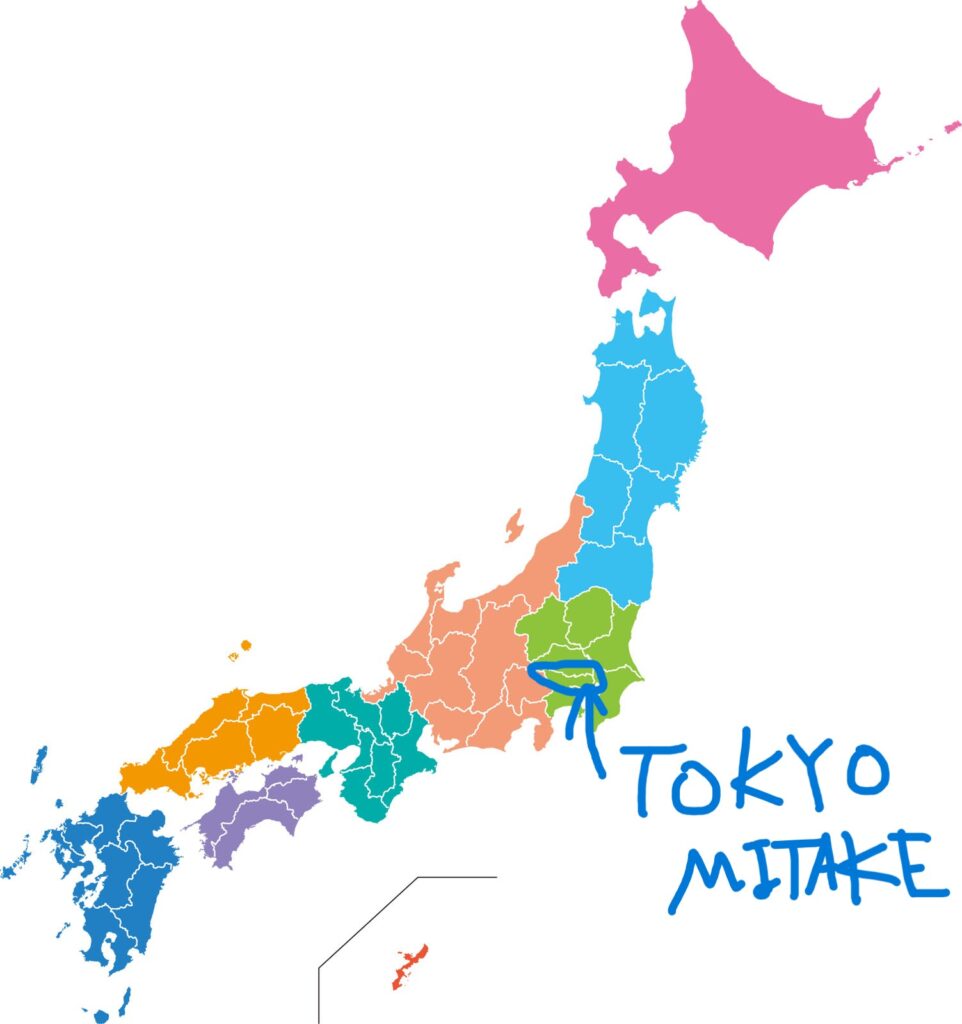
Just outside Tokyo, Mitake offers over 400 boulder problems and a rich climbing history. Easy train access makes it popular with everyone from students to early-morning commuters.
Season
Cooler than central Tokyo due to the riverside location. Best in spring and autumn. It is possible to climb in the middle of winter in sunny areas.
Rest Days & Rainy Day
Being so close to Tokyo, so you can easily visit Tokyo sightseeing spot. The following are some of the most popular Tokyo sightseeing spot:
・Asakusa
・Meiji Shrine
・Shinjuku Gyoen
・Shinjuku Golden Gai
Food
Back in the city center, you can find French, Italian, Japanese, Chinese and more. Anyway Near Mitake Station:
・Sawanoi Garden – Sake brewery with dining. It is within walking distance from the Mitake bouldering area.
・VERTERE Okutama – Craft beer.
・Suzukiya – Historic eel restaurant.
Gear
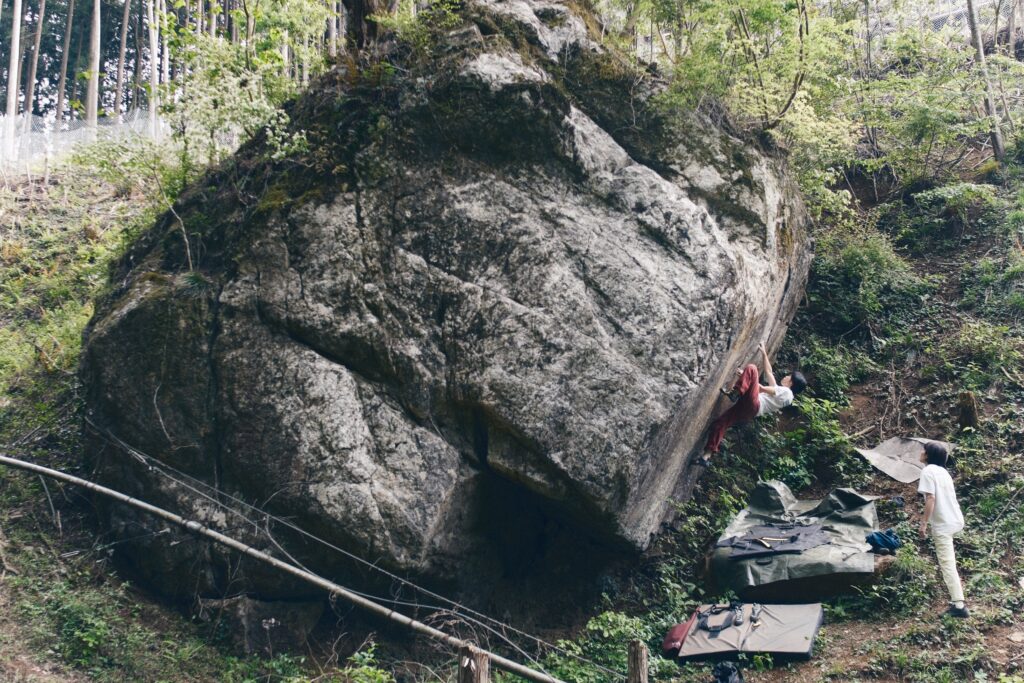
Plenty of shops in Tokyo—Karafate near Mejiro Station specializes in climbing shoes and climbing gear.
Crash pad rentals at Maunga Mitake at Mitake station.
Topos
・Mitake Bouldering Area Guide

Where to Stay
Anywhere in Tokyo—endless options.
Getting There
From Tokyo or Shinjuku Station, take the JR Chuo Line to Ome, then transfer to the Ome Line to Mitake. Paid parking available, but trains are easiest.
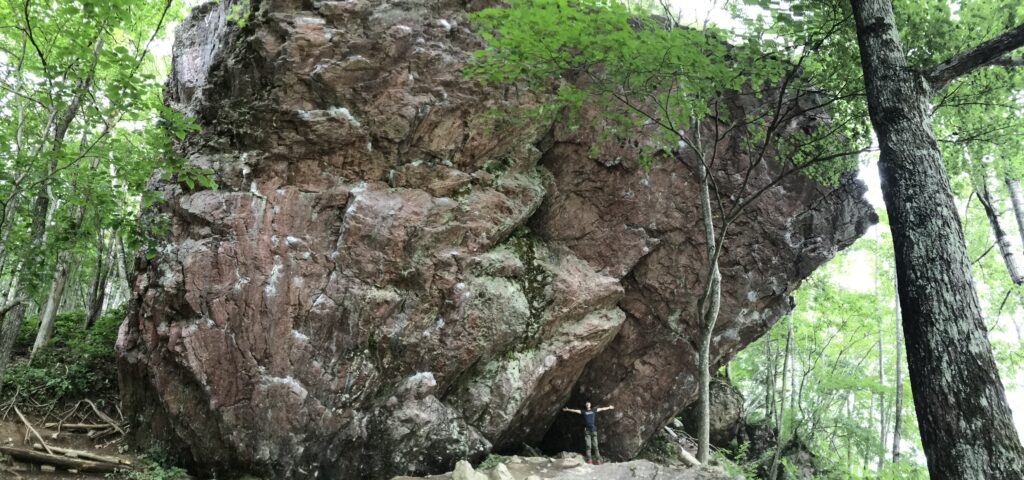
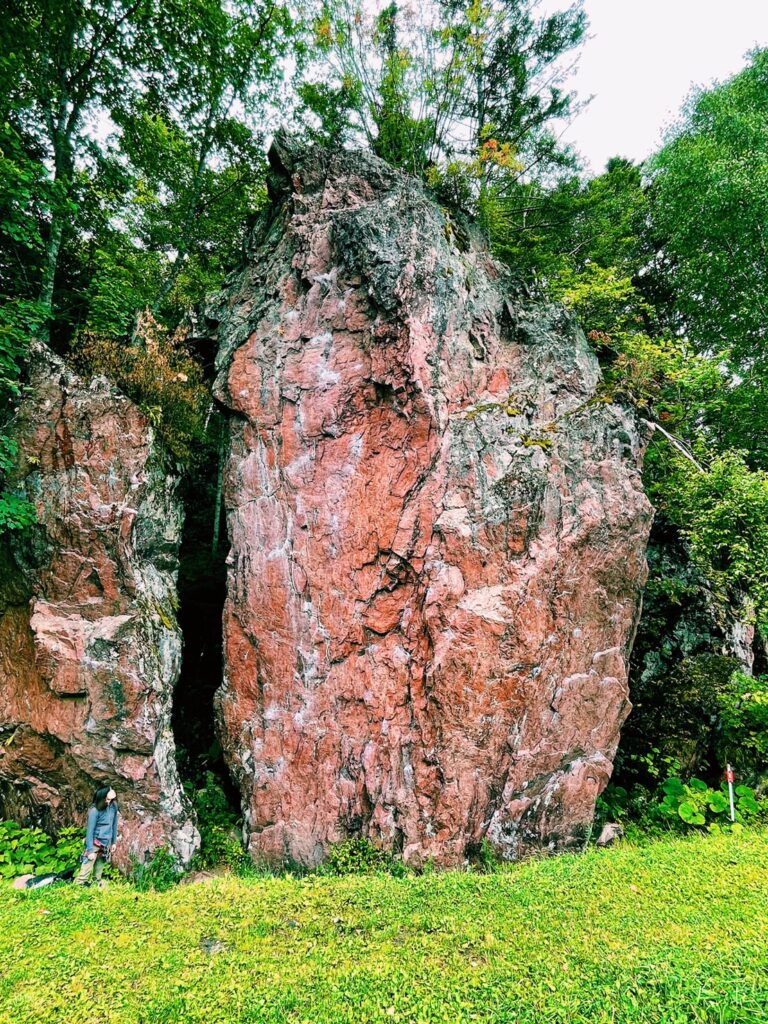
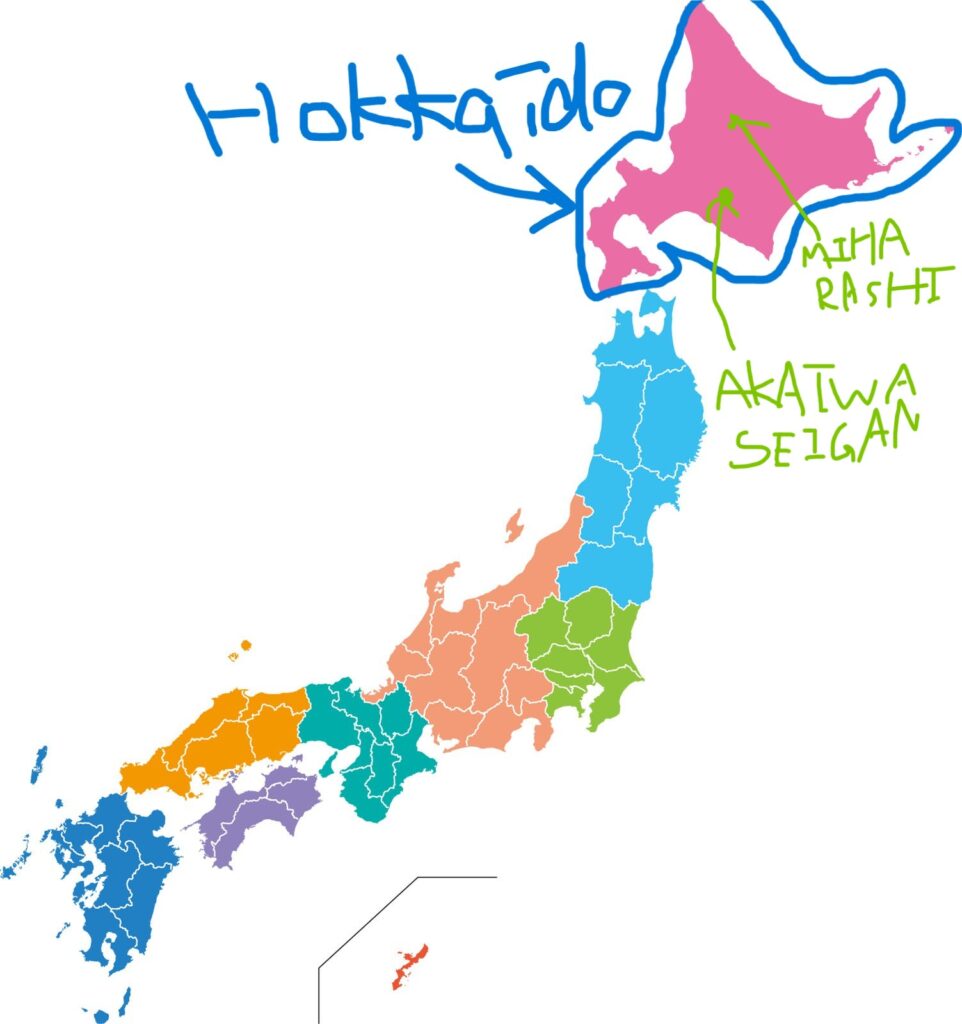
5. Akaiwa Seigankyo & Miharashi Iwa (Hokkaido)
Climbing style: Lead (Sport & Trad)
Accessibility: ★★☆☆☆
Tourism appeal: ★★★★★
Climbing quality: ★★☆☆☆
Season: Late May – Mid-October
Overview
Hokkaido has numerous climbing spots. Among them, I recommend the following
・Akaiwa Seigankyo – Sport climbing.
・Miharashi Iwa – Sport climbing.
・Sounkyo – Trad climbing on natural protection.
Roads are easier than in Tokyo, but distances are long.
Season
Hokkaido is a snowy country that is popular for skiing. So climbing is only possible from spring to autumn. No rainy season in June, but summer can be wet and unpredictable.
Rest Days & Rainy Days
Hokkaido is one of Japan’s top tourist regions. Therefore, there are many recommended places for rest days. Depending on where you are staying, I recommend the following.
・Biei Blue Pond – Vivid turquoise waters.
・Furano – Lavender fields.
・Asahiyama Zoo – Famous for “behavioral displays.”
・Daisetsuzan National Park – Japan’s largest national park.
・Upopoy – National center for Ainu culture. The Ainu are the indigenous people of Hokkaido. They have their own language, culture, and religion. Since the 1860s, they have experienced a decline in their language and culture due to national policies, and today their population is around 100,000. In recent years, the government has been promoting Ainu policies, aiming to promote Ainu culture and protect the rights of the Ainu people. This facility is part of that effort, and is a national center that serves as a base for the revival, creation, and development of Ainu culture. You can learn about Ainu culture here.
Food
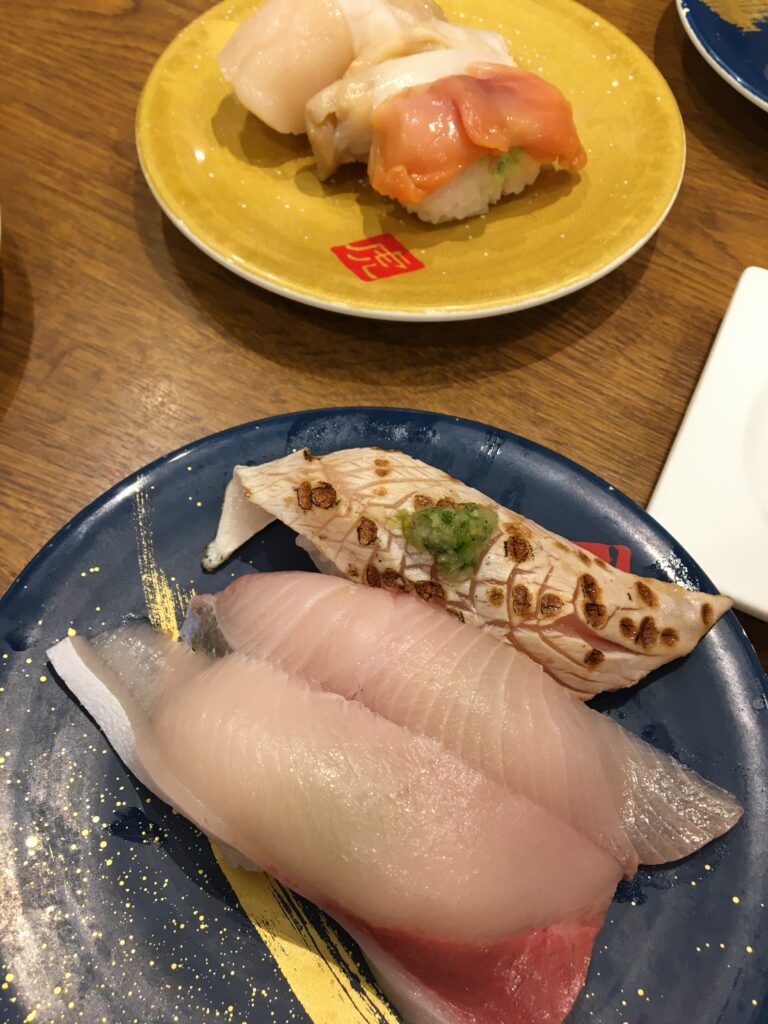
Hokkaido is a food paradise—seafood, jingisukan (mutton BBQ), and soup curry are very popular. The ingredients are so delicious that I personally prefer buying ingredients (fish and potatoes, corn, everything is delicious!) at local supermarkets and cooking for myself to get a deeper feel for the culture, but I’ll also introduce some restaurants.
・Toriton – Conveyor-belt sushi chain in Hokkaido.
・Baba Horumon – Grilled offal.
・Suage+ – Soup curry.
・Daruma – Iconic jingisukan restaurant.
・Seicomart – Beloved local convenience store. Hot Chef’s menu is cheap, delicious, and the best. Their rice balls are especially great. They are affectionately known as “Secoma.”
Gear
Shugakuso in Sapporo and Asahikawa is a trusted outdoor shop with knowledgeable staff.
Topos
・Hokkaido Area

Where to Stay
Hokkaido has plentiful campsites, so I think you won’t have any trouble finding a place to stay. Also, Sapporo, Asahikawa, Furano have plentiful hotels too. So you won’t have any problems if you just move around to different hotels depending on the climbing area.
Getting There
Flying is the only practical option. The main airports are Sapporo (New Chitose) and Asahikawa—choose based on your climbing area.
These suggestions may not be exhaustive, but they certainly give you a starting point! I hope you enjoy your climbing trip in Japan!
Only have one day? Here are my recommended climbing areas!
And for more trekking and activity trips, check them out here too!