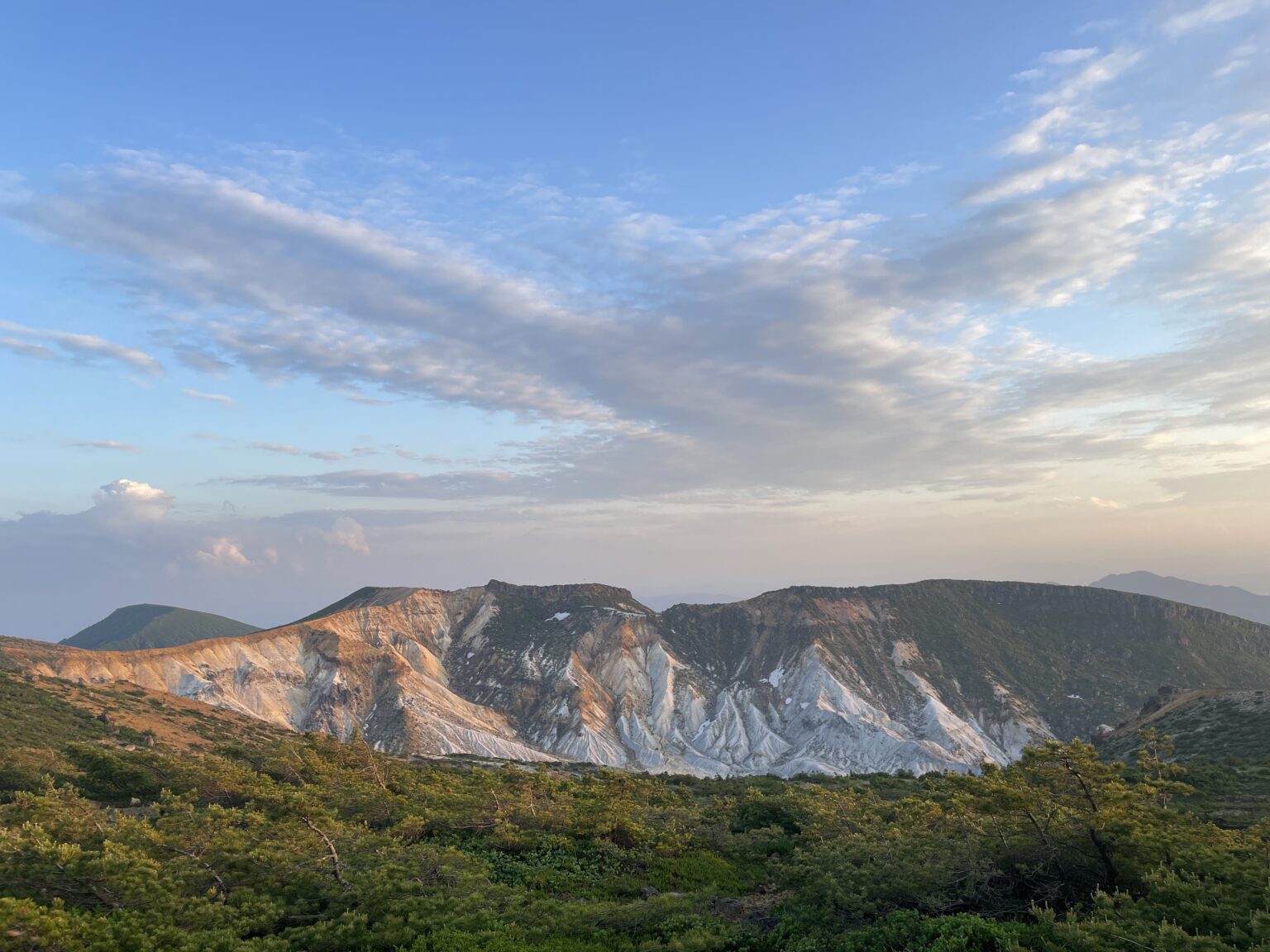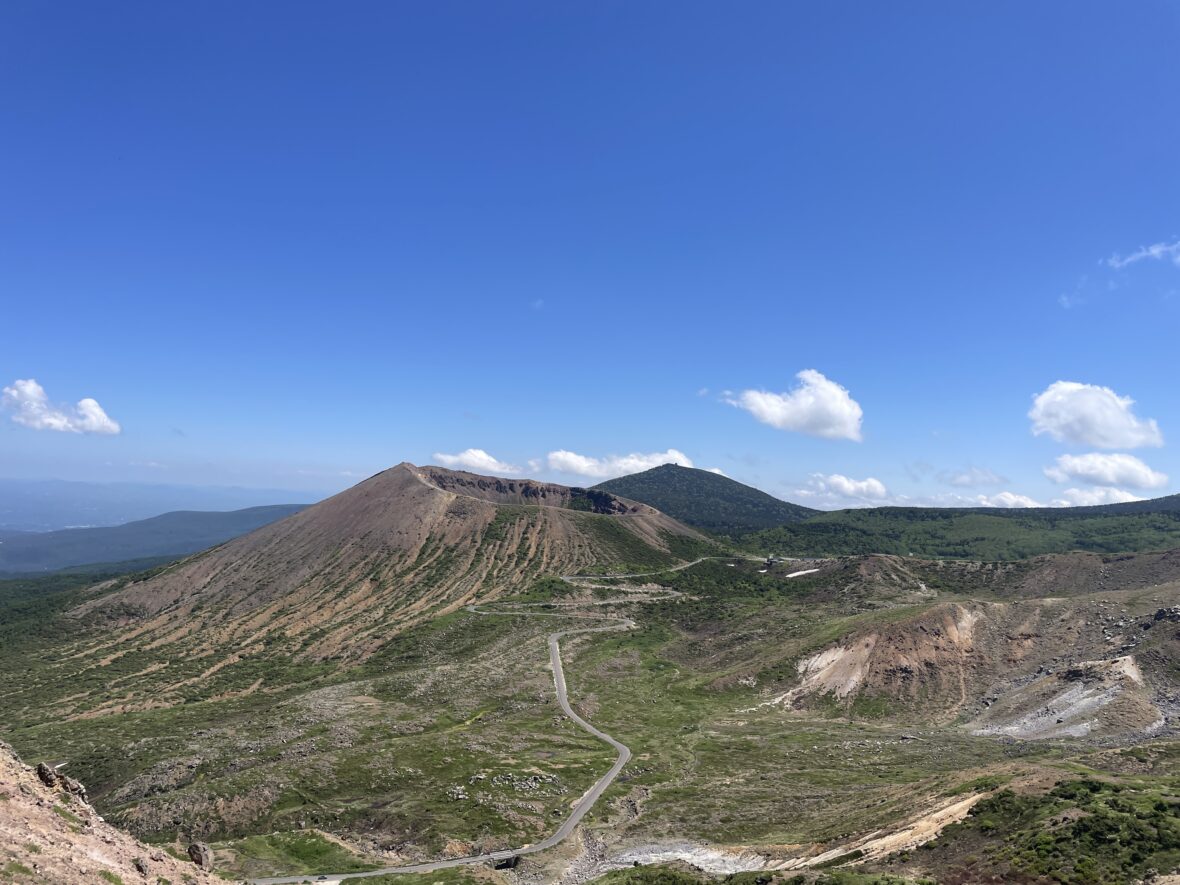
Japan is an island nation floating in the Pacific Ocean.
According to official data, Japan consists of over 14,000 islands — among them, Shodoshima stands out.
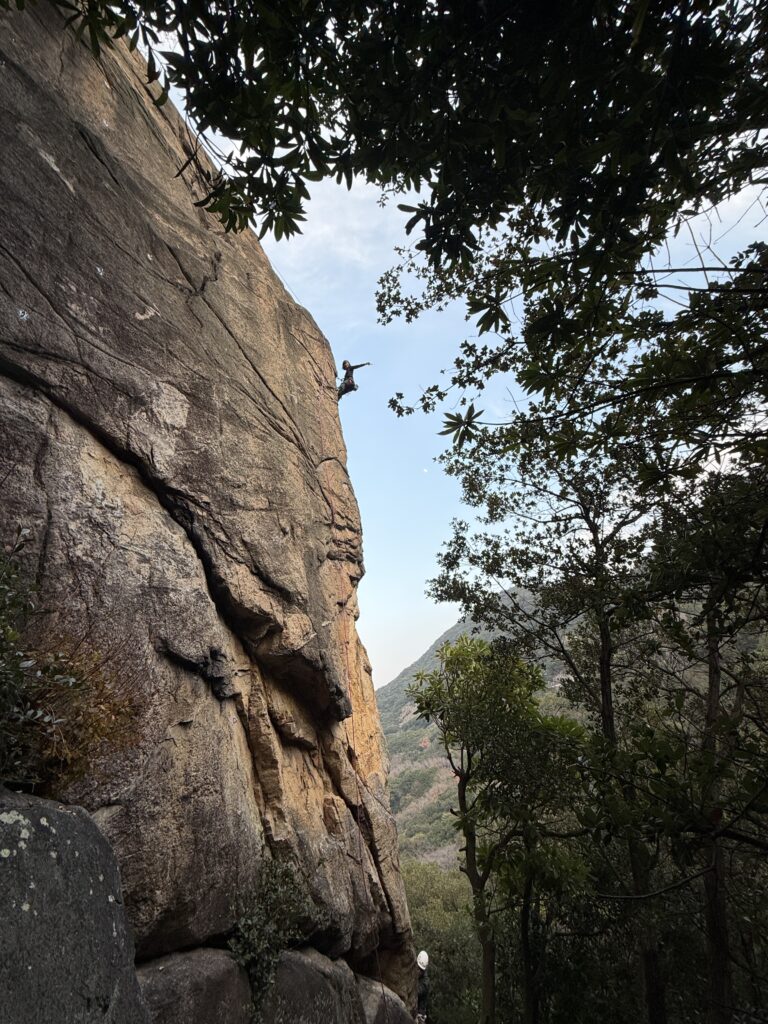
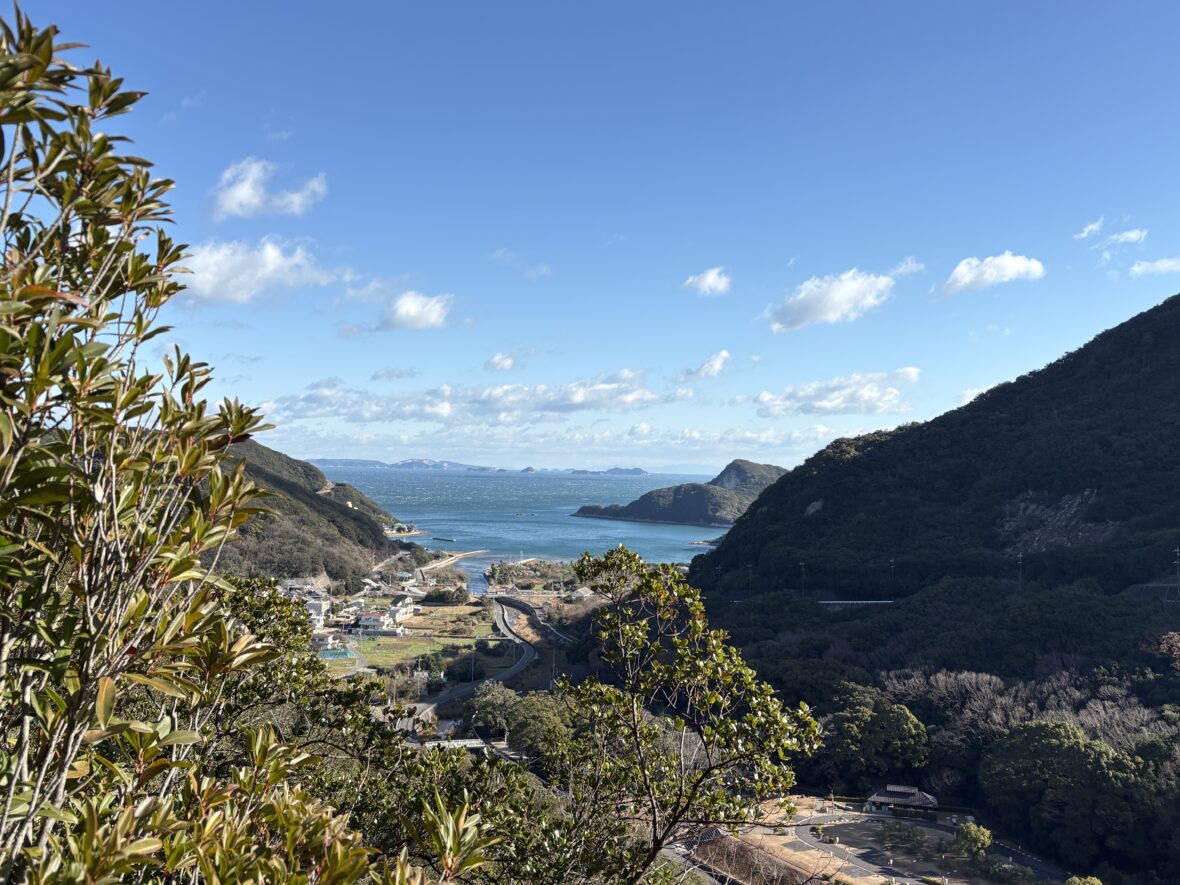
Located in the calm Seto Inland Sea, Shodoshima is often called “the Mediterranean of Japan” thanks to its mild climate, beautiful coastline, and relaxed island atmosphere.
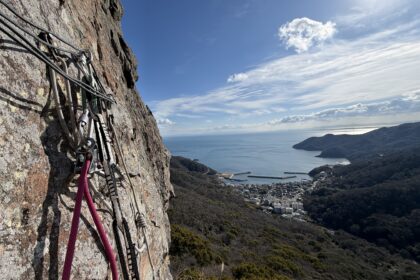
Despite its compact size — you can drive around the island in about three hours — Shodoshima offers three major sport climbing areas and one multi-pitch area, making it one of Japan’s most promising island climbing destinations.
And climbing is only half of the story.
Shodoshima has a deep local culture, unique food traditions, and access to nearby art islands — making it an ideal destination for climbers who also want to experience Japan beyond cities.
Conetnts.
1.Overview
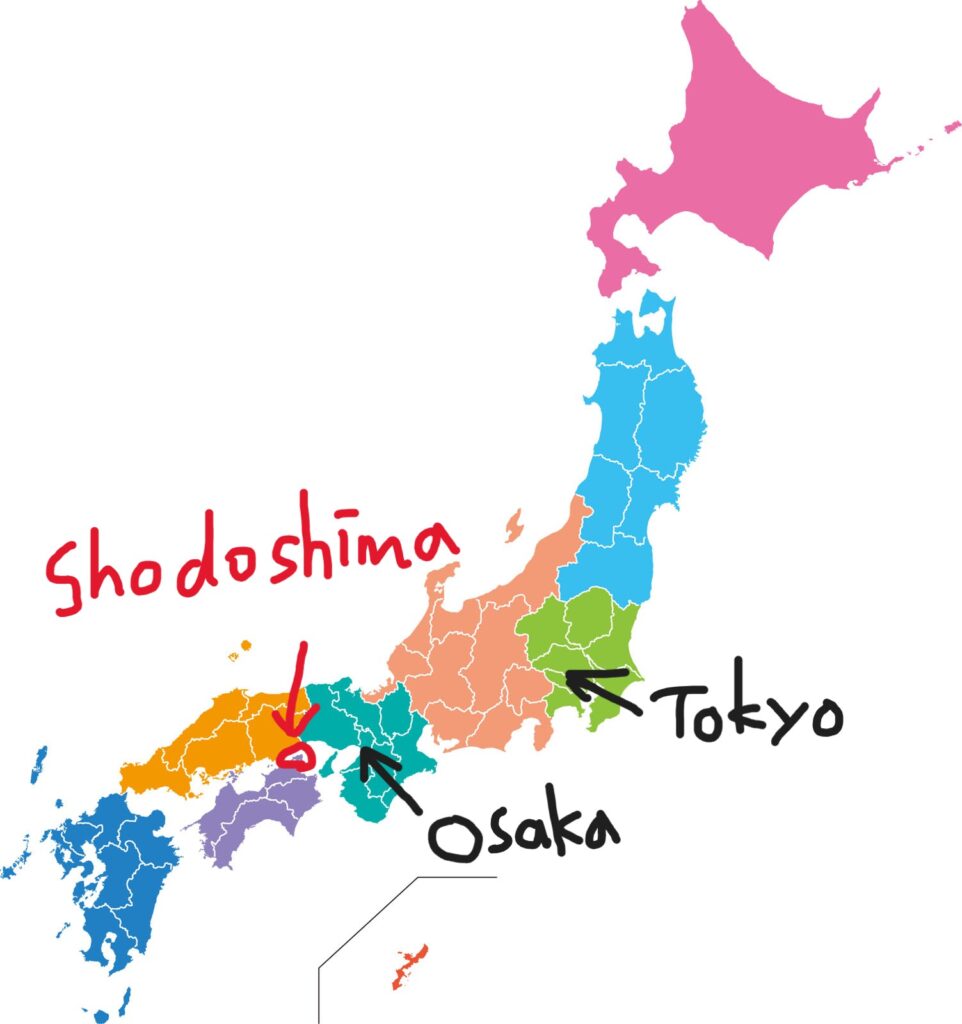
Shodoshima is located in western Japan, in Kagawa Prefecture, between Honshu and Shikoku.
With an area of about 153 km², it is the second largest island in the Seto Inland Sea.
The island enjoys a warm, dry climate year-round and is famous as the first place in Japan to successfully cultivate olives. Ferries connect Shodoshima to many nearby islands, making island-hopping easy and popular.
2.Why Climb in Shodoshima
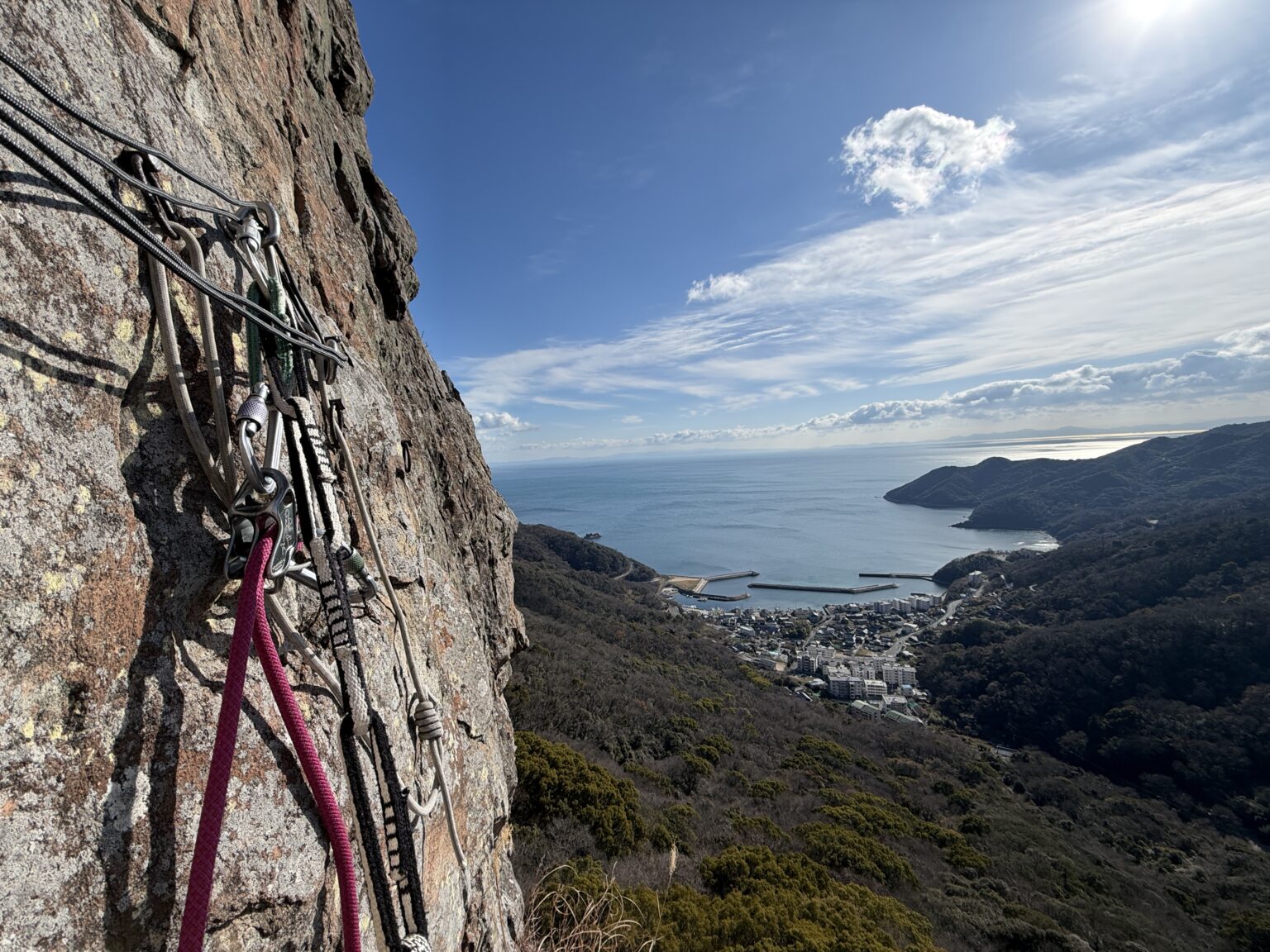
1. Climbing Above the Sea
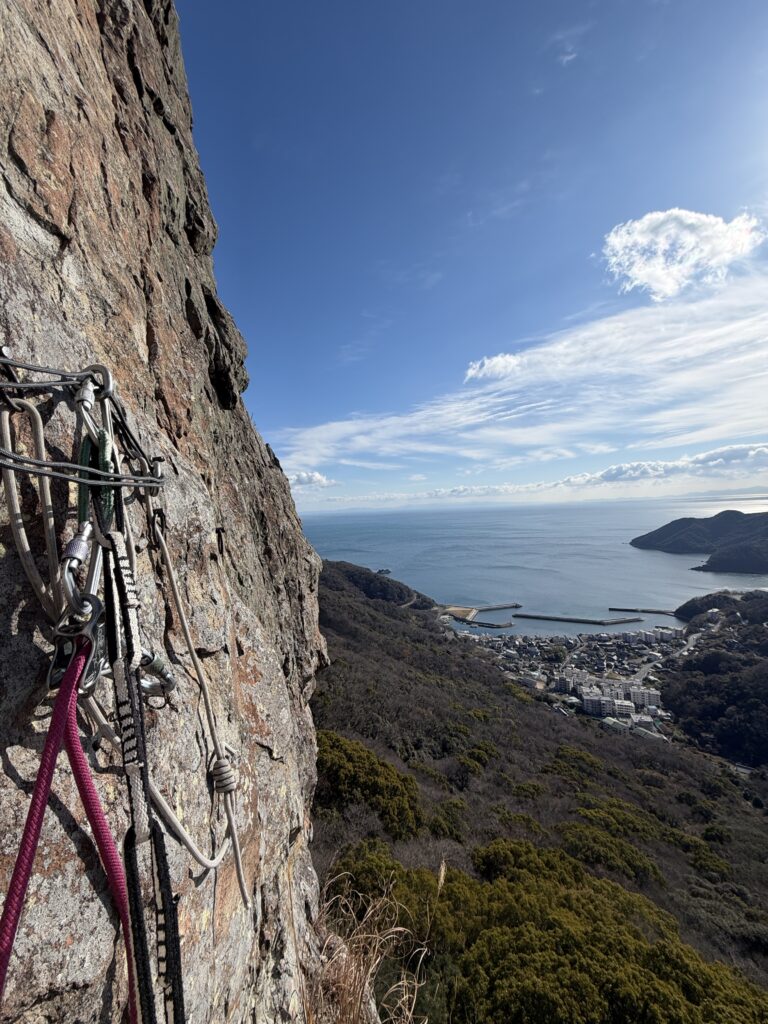
The greatest charm of climbing in Shodoshima is the scenery.
Topping out above the deep blue Seto Inland Sea is unforgettable.
Bring your phone — you will want photos!
On multi-pitch routes, you climb while constantly overlooking calm waters dotted with islands.
The only downside? You might stop too often to take pictures.
2. Warm Climate & Slow Island Time
Even in winter, Shodoshima remains comfortable for climbing.
Unlike busy urban crags, time flows slowly here.
Sea cliffs exist all over the world, but island climbing is rare — and special.
With few traffic lights, little noise, and gentle scenery, Shodoshima offers a peaceful winter climbing escape.
3. A Culture Worth Rest Days
Only climbing here would be a waste.
Shodoshima has its own food culture, traditions, and spiritual history.
It’s the kind of place where a 50% climbing / 50% travel balance feels perfect.
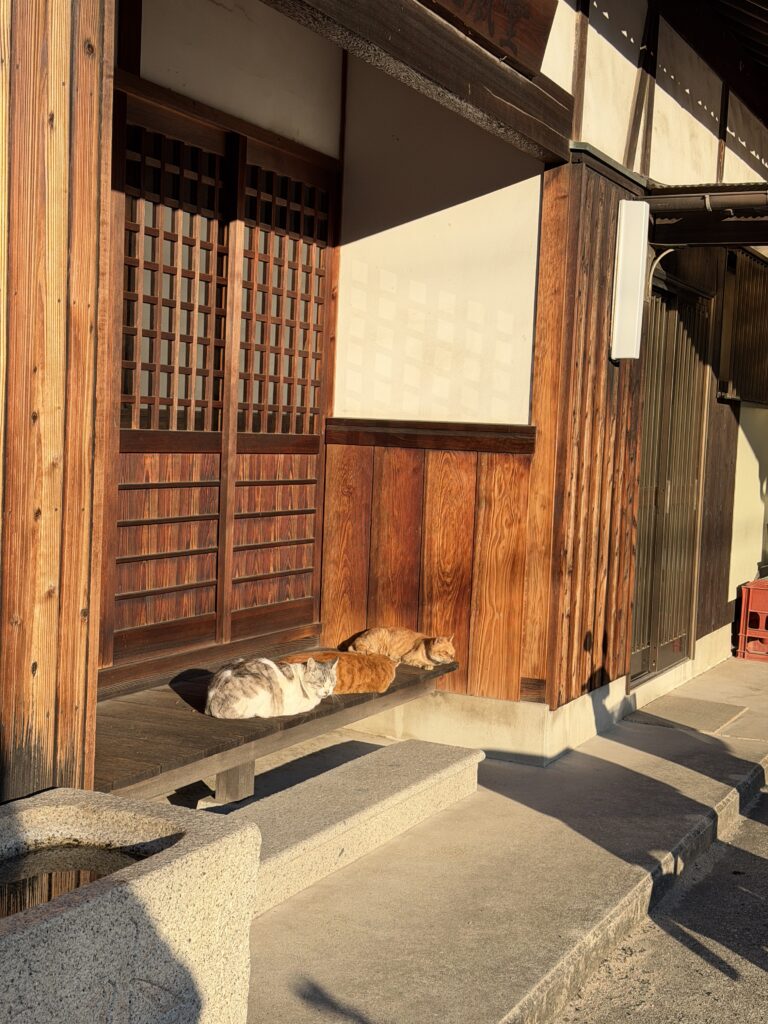
Nearby islands — known as “art islands” or “cat islands” — are easily reached by ferry and add even more depth to your trip.
3.When is the Best Season
・Best for climbing: Late October – early April
・Summer: Popular for tourism, but too hot and humid for climbing
・Autumn: Highly recommended due to fall colors at Kankakei Gorge
・Winter holidays: Popular among Japanese climbers seeking warm rock
4.How to Get There
Shodoshima has no airport — access is by ferry.
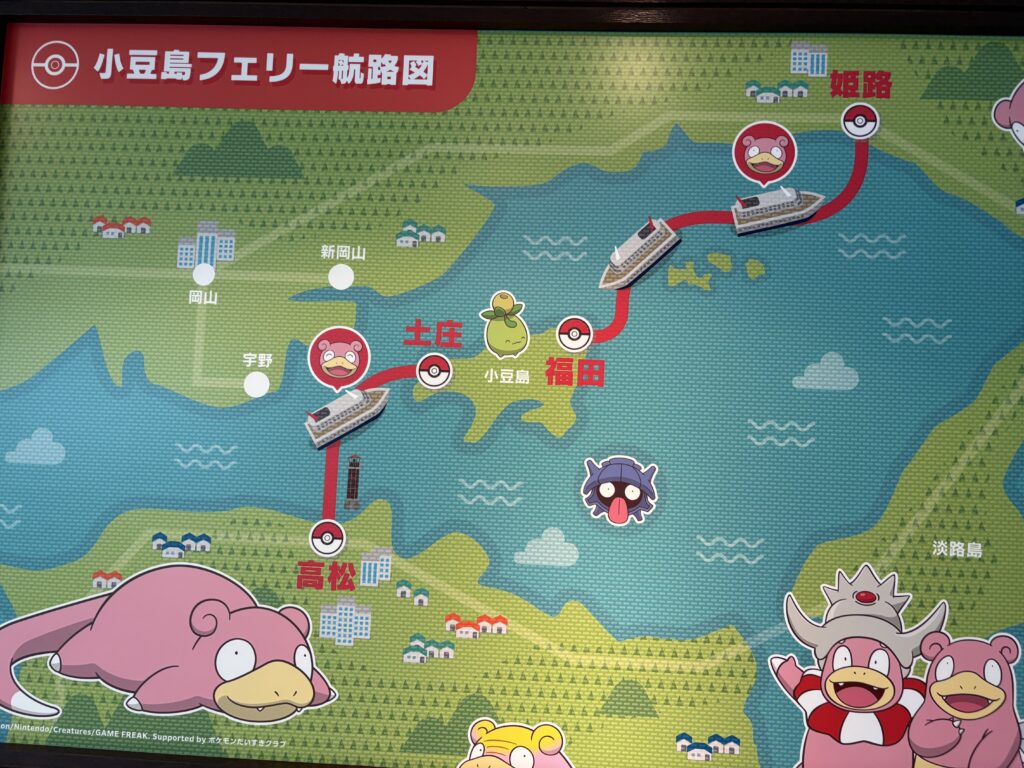
Option 1: Via Himeji (Our Route – Budget-Friendly)
Tokyo/Osaka → Himeji (by Sinkansen or train. From Tokyo, it takes about 3 hours. From Osaka, it takes 30min)
Himeji Station → Himeji Port (~20min by bus)
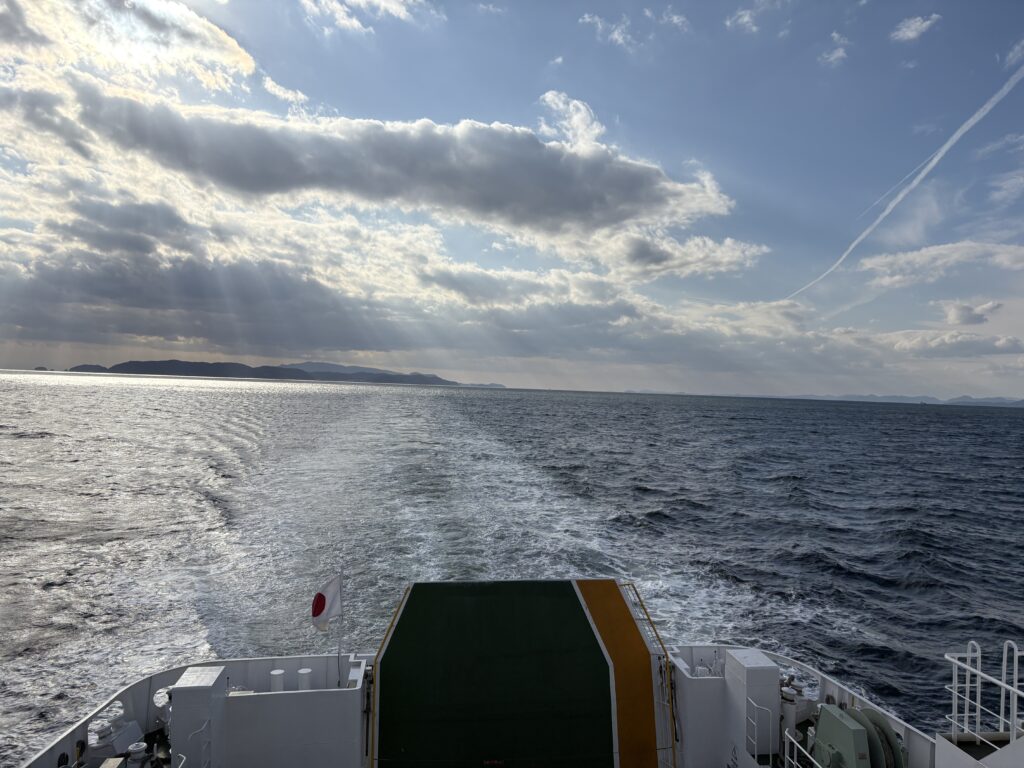
Ferry to Fukuda Port, Shodoshima (~90min by ferry)
・Why we chose this route?
– Cheaper than other options
– Direct ferry to Fukuda Port (Smooth transfer even with climbing gear)
-This was the most cost-effective option for us
Option 2: Via Takamatsu
Osaka / Tokyo → Takamatsu (by car or by air.)
Ferry to Shodoshima (Tonosho Port) : ~1 hour by ferry
Option 3: Via Okayama
Tokyo/Osaka → Okayama (by Sinkansen. From Tokyo, it takes about 3 hr 20min. From Osaka, it takes 1hour)
Okayama Station → Uno Port (~50min by bus)
Ferry to Tonosho Port, Shodoshima (~80min by ferry)
Whatever the option, cars can be taken on ferries and are highly recommended for climbers.
5.What kind of Climbing Areas are there
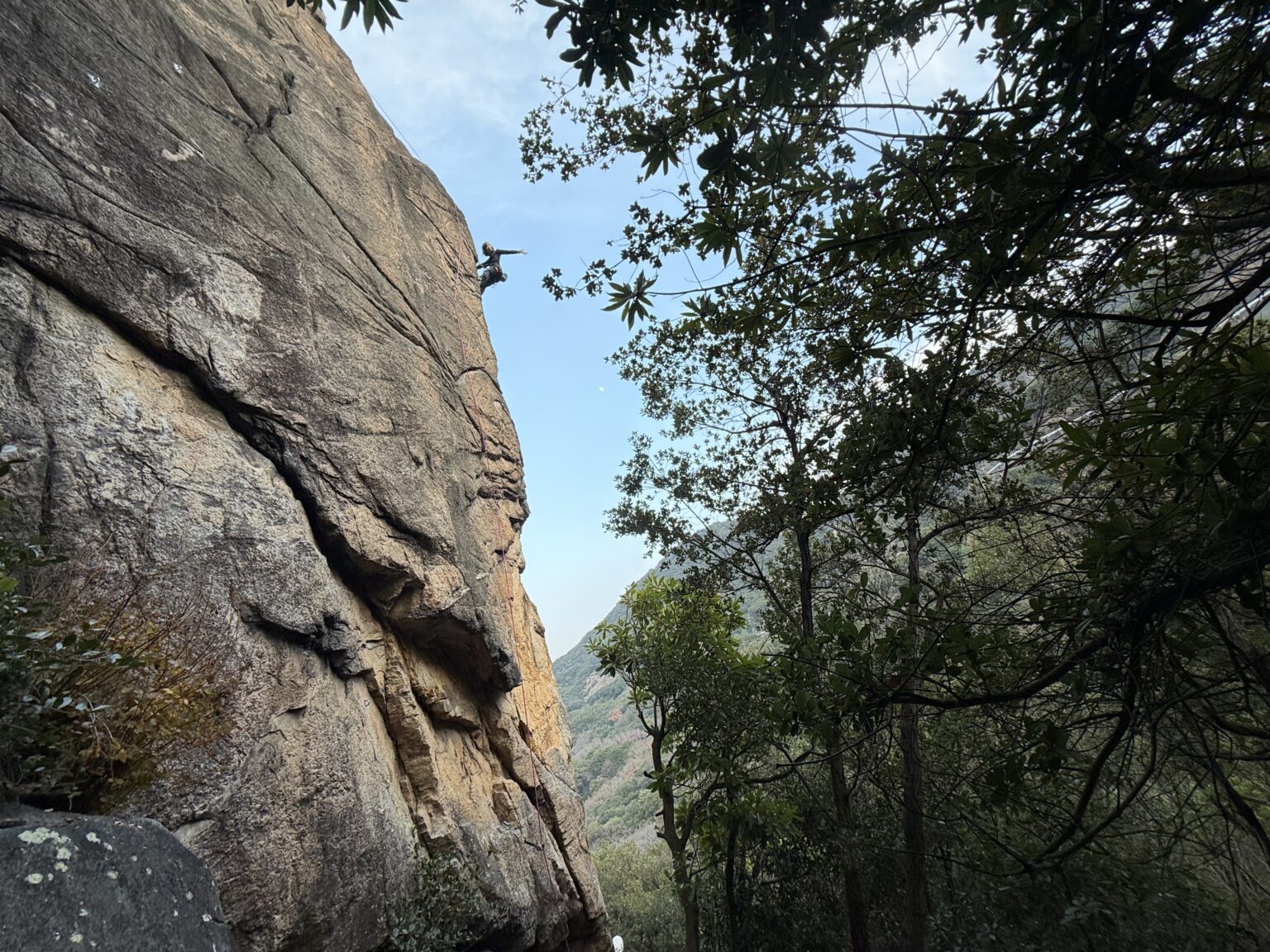
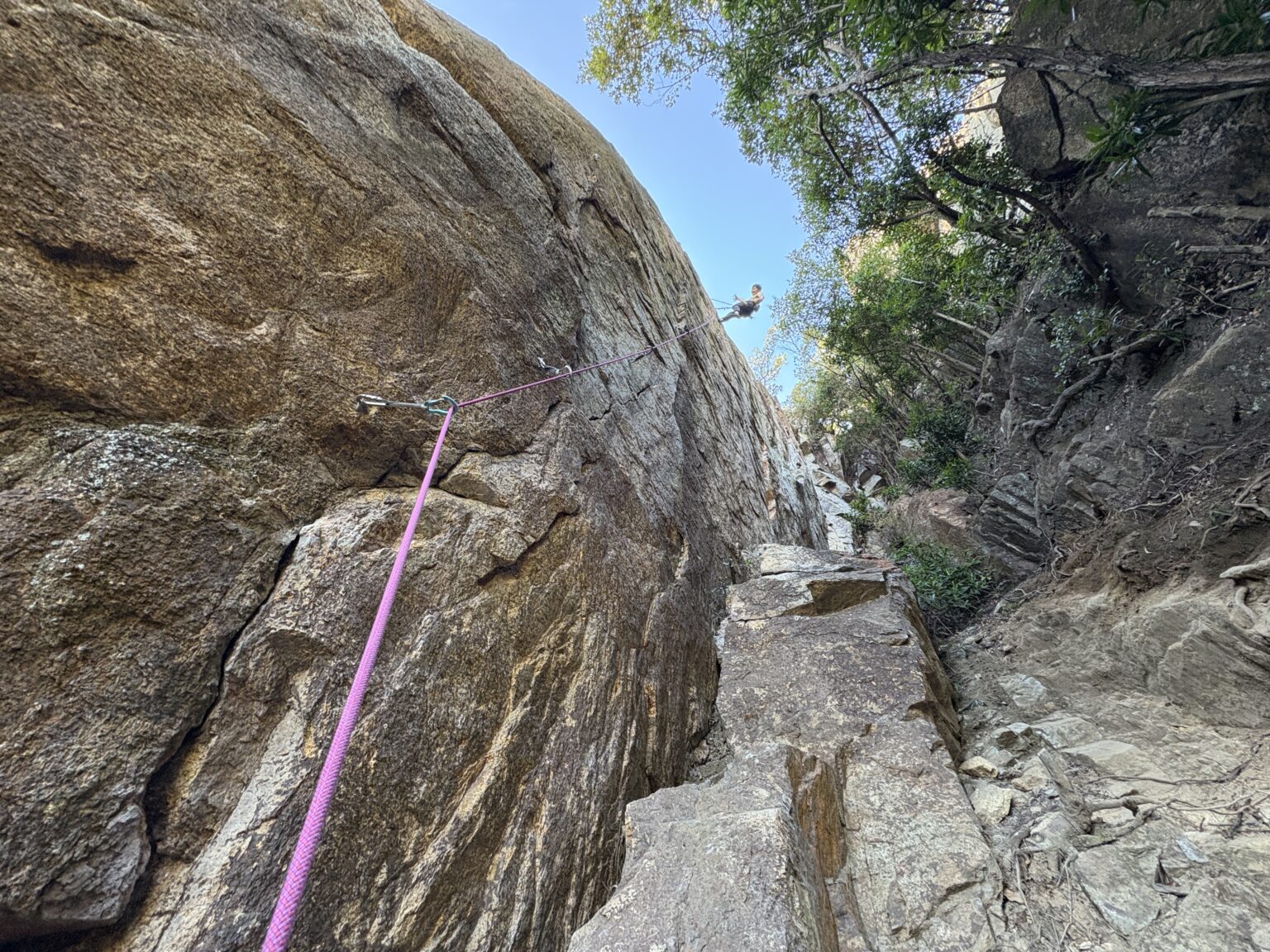
・Yoshida Crag
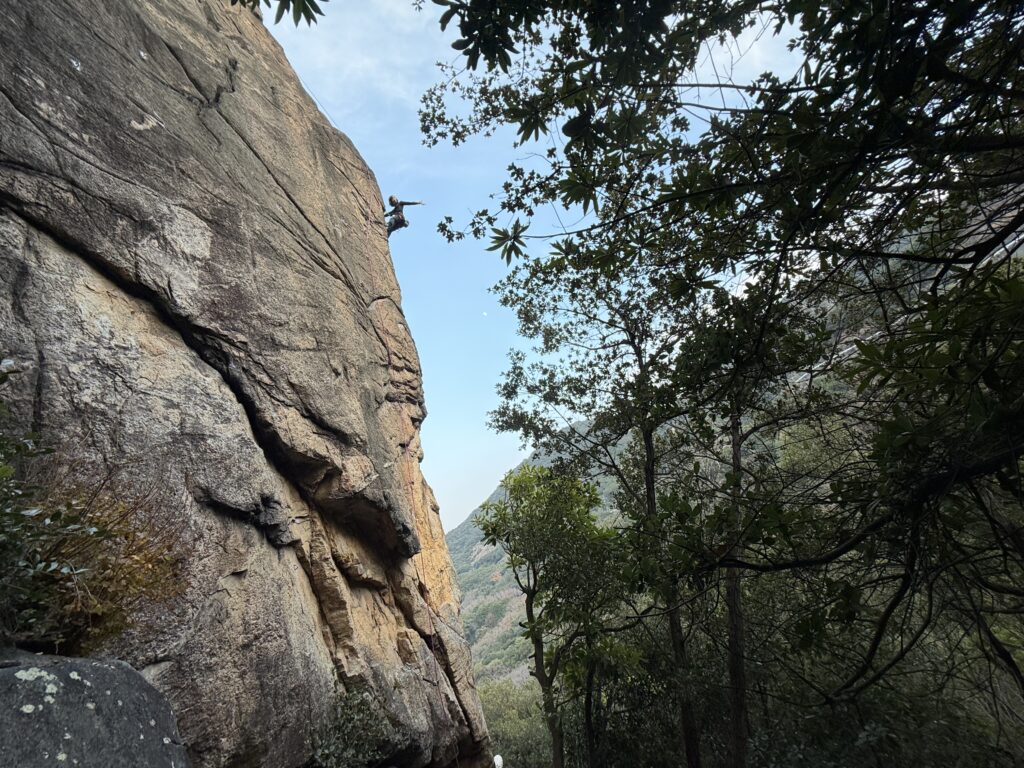
・Main climbing area
・100+ sport routes (5.8–5.11 range, few 5.12 over)
・Slab, face, and crack climbing
・10-minute approach
・Topo available at Shodoshima Auto Village Yoshida
For a detailed guide to this area, check the link below.
・Akadake
・Opened in 2022
・70+ sport routes
・Steep, long, overhanging routes
・Rock can be fragile — helmet recommended
・Insubong (Kurodake / Tengu Rock)
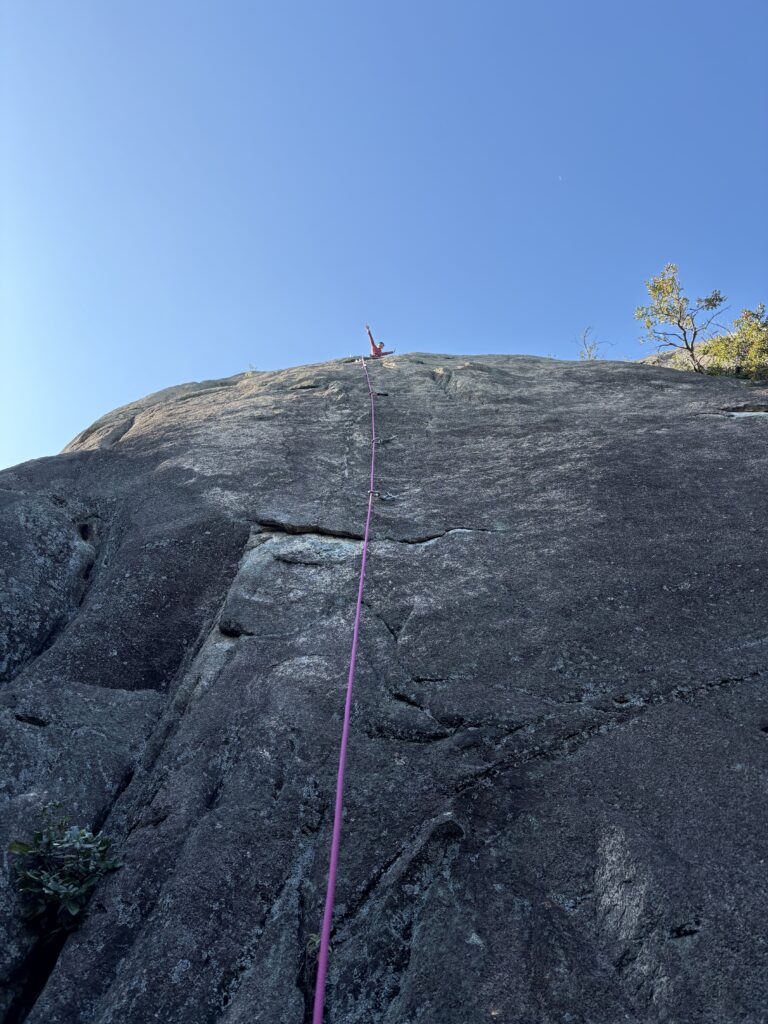
・Exposed, scenic climbing
・Fewer routes but high quality
・Worth visiting for the location alone
・Topo is here
・Oyayubi-dake
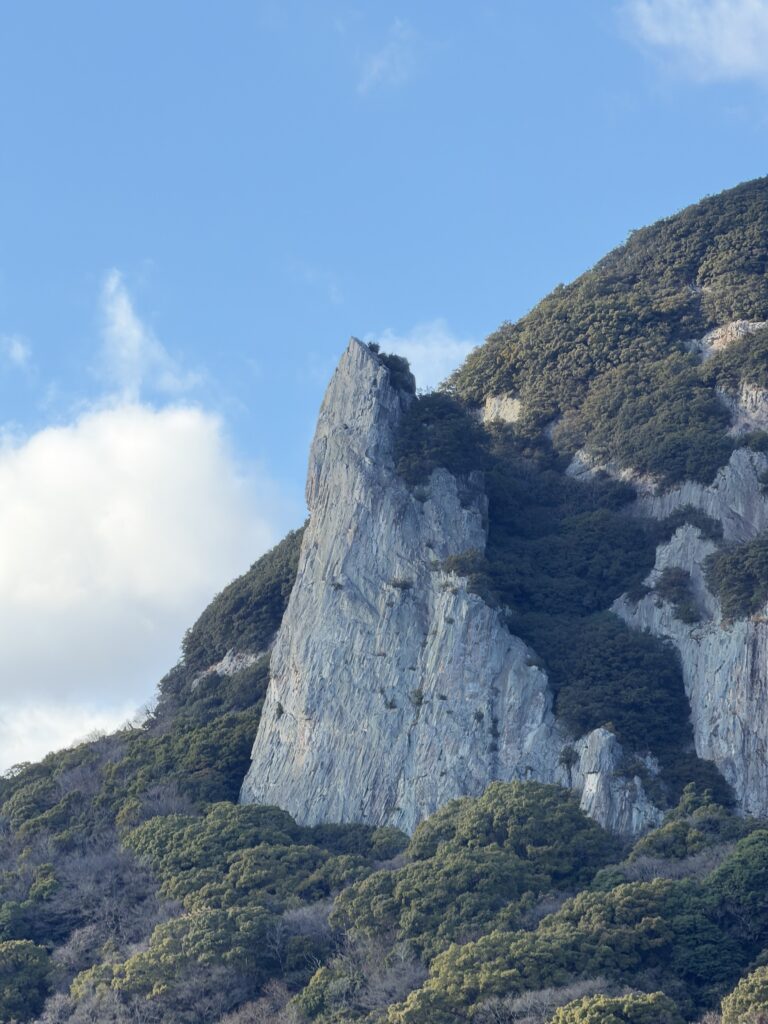
・Multi-pitch climbing area
・Famous routes: Red Crack, Direct Route
・Open views from forest to summit
For a detailed guide to this area, check the link below.
6.Local Food to Try
・Somen (Japanese Thin Wheat Noodles)
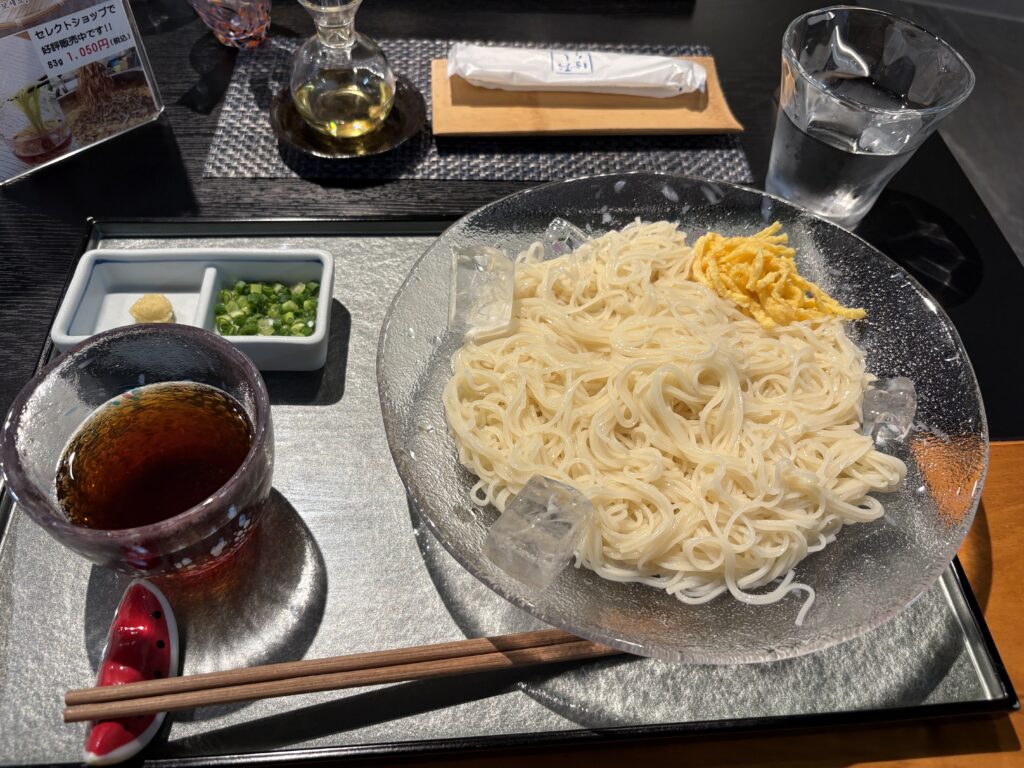
Somen are traditional Japanese dried noodles made from wheat flour, water, and salt. The dough is stretched into long, thin strands, coated with oil, and then dried.
Because of their smooth texture and light mouthfeel, somen are especially popular during the hot summer months. Somen are loved all over Japan, but Shodoshima is particularly famous as a production area.
The history here goes back about 400 year, and the island’s dry climate makes it ideal for sun-drying noodles.
Somen are usually eaten as dried noodles, but because Shodoshima is a true production area, you can also try fresh somen (nama-somen) that have not been dried.
The difference is obvious. Fresh somen are chewy and elastic, with a smoothness you simply don’t get from dried noodles.
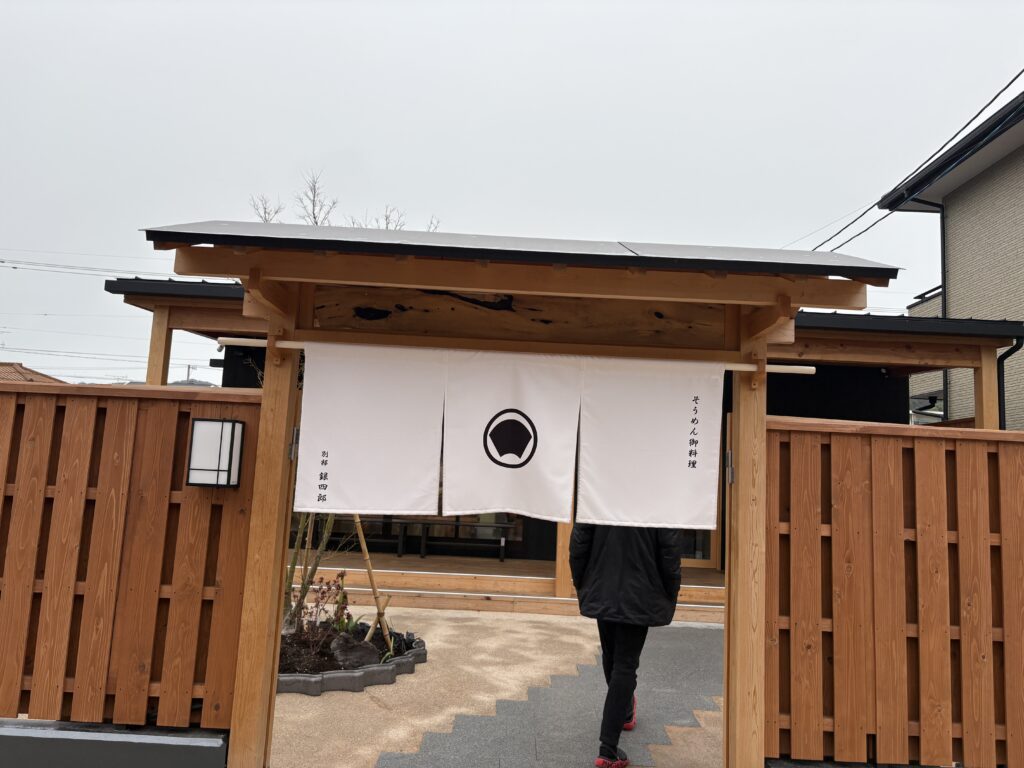
Another unique point is the oil used in production.
Oil is an essential part of somen production, and Shodoshima somen are unique in that they use 100% sesame oil. This is a technique specific to the island, and the sesame oil adds extra firmness and body to the noodles.
Even as someone with no professional background, I could clearly taste and feel the difference.
Pasta is eaten all over the world, and many people are already familiar with Japanese noodles like ramen, udon, or soba. Somen, on the other hand, tend to have a quieter, more modest position among Japanese noodles.
But fresh somen completely overturn that image — the impact is honestly surprising.
Warm somen (nyumen) are popular in winter, but if you’re visiting Shodoshima, I strongly recommend trying them cold.
・Soy Sauce
Shodoshima is one of Japan’s three major soy sauce regions, thanks to its climate, access to salt, and long history of maritime trade.
Despite being a small island, it has more soy sauce breweries than convenience stores. (At its peak, there were said to be around 400 breweries.)
Many of Shodoshima’s breweries still use traditional wooden barrel fermentation. These wooden barrels “breathe,” and the microorganisms that have lived in them for decades — sometimes centuries — slowly draw out deep umami flavors over time.
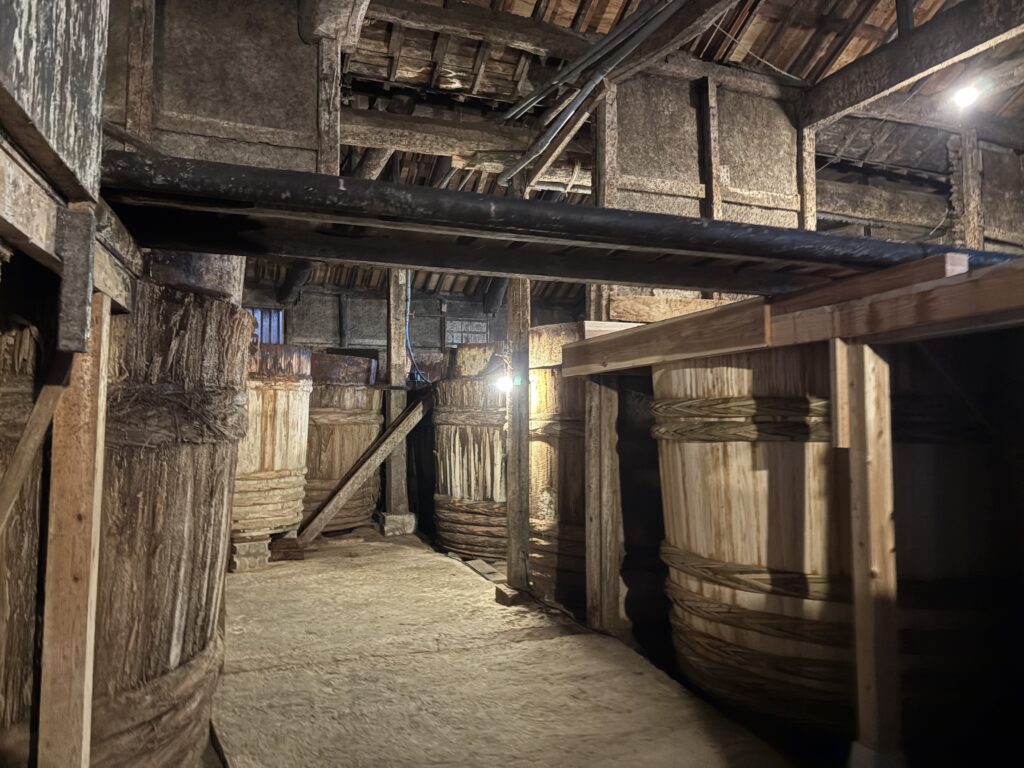
That’s why even the same style of dark soy sauce can taste and smell completely different from one brewery to another. Choosing and tasting them is part of the fun.
Many breweries are open to visitors, where you can see wooden barrels that have been used continuously for over 150 years and learn about traditional production methods.
While most commercially distributed soy sauce is heat-treated, some breweries on Shodoshima sell raw (unpasteurized) soy sauce, which you can only buy by visiting the brewery itself.
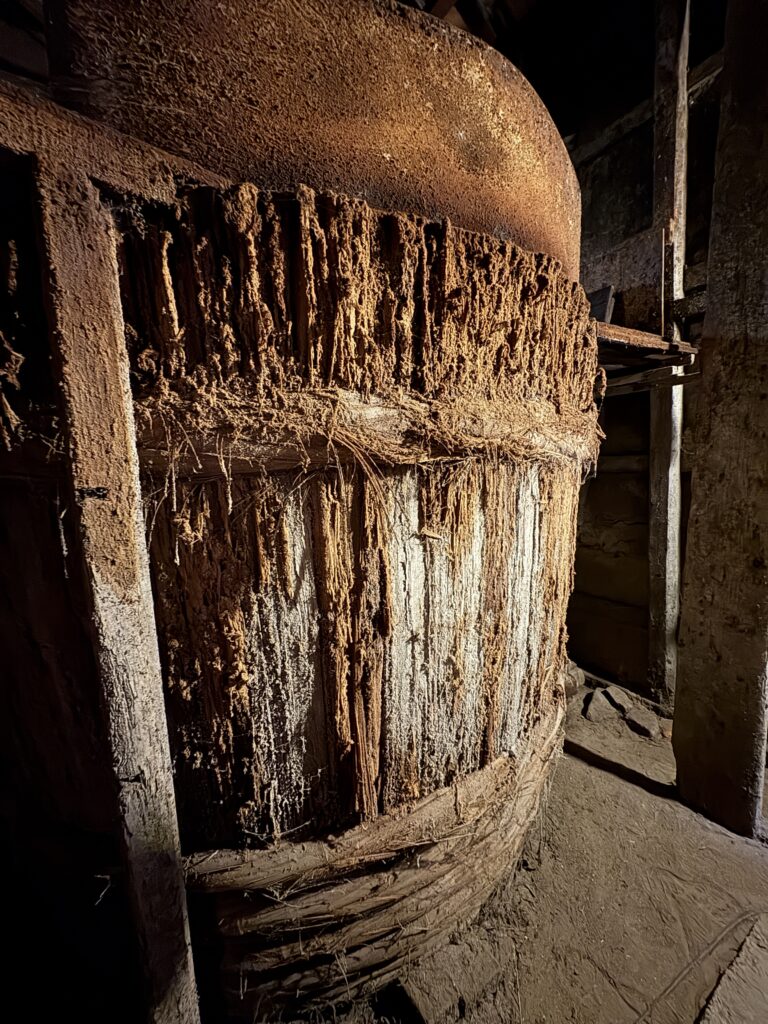
Soy sauce is an essential seasoning in Japanese cuisine.
If you come to Japan, I highly recommend trying to cook with Japanese soy sauce at least once.
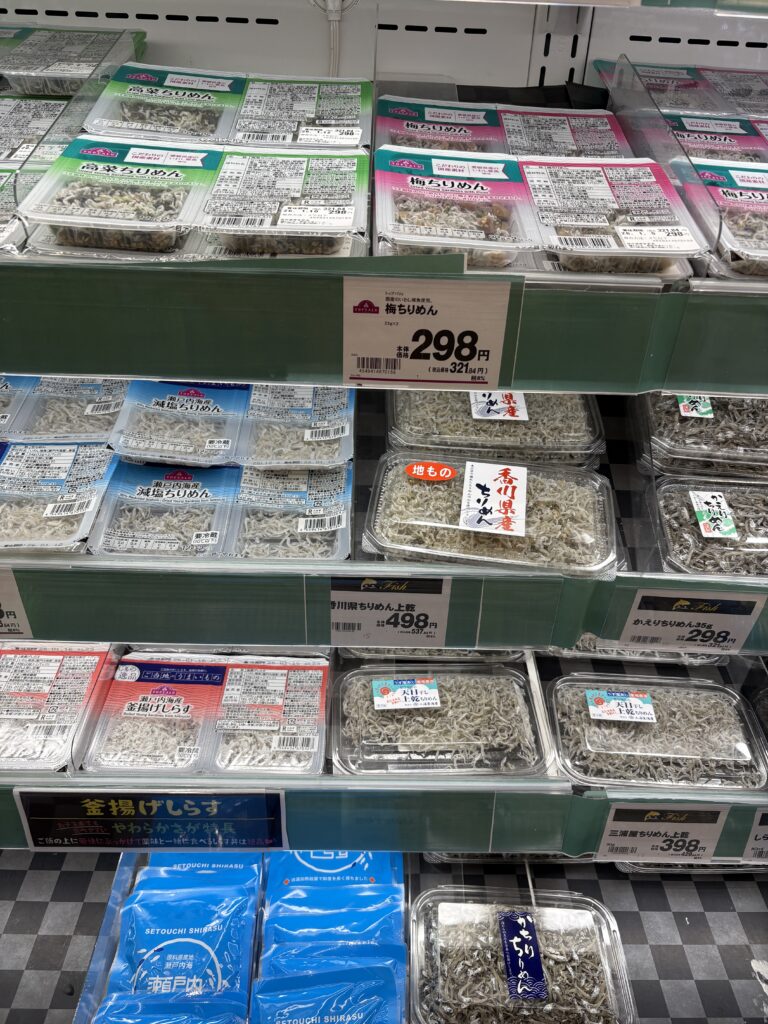
・Tsukudani
Shodoshima is an island, rich in seafood. If you want to try something truly local, tsukudani is a great choice.
Tsukudani is seafood simmered in soy sauce and sugar until rich and glossy.
Because Shodoshima produces both fish and soy sauce, it’s a perfect local combination.
Eat it with rice, and it’s unbeatable. Fair warning — you may not be able to stop eating.
7. How to Spend a Rest Day on Shodoshima
・Shodoshima 88 Temple Pilgrimage – Experiencing Japanese Spirituality
Many people have heard of the Shikoku 88 Temple Pilgrimage, one of Japan’s most well-known spiritual traditions.
It traces the path of the Buddhist monk Kobo Daishi (Kukai), following the places where he trained, with the purpose of overcoming the “88 earthly desires” and finding spiritual clarity.
Shodoshima has its own version of this pilgrimage. While it shares the same spiritual goal, the full route is about 150 km, roughly one-tenth the distance of the Shikoku pilgrimage. This makes it far more approachable — yet no less meaningful.
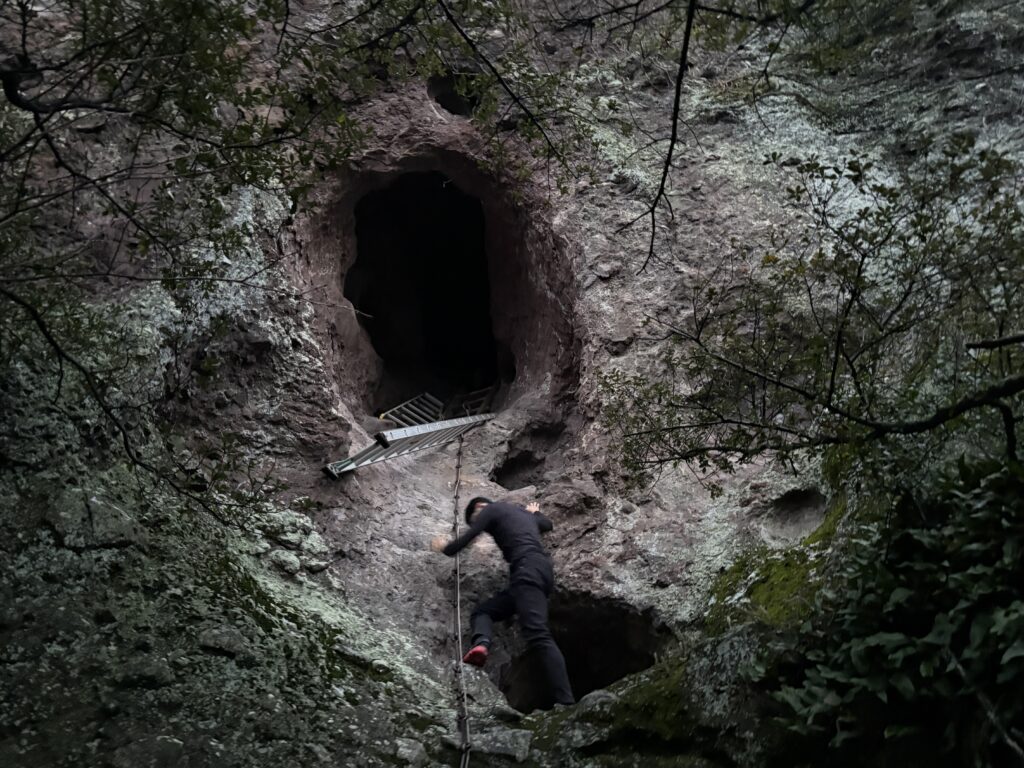
What makes the Shodoshima pilgrimage especially unique is that many of its temples are mountain temples, built deep in valleys or along rugged natural terrain.
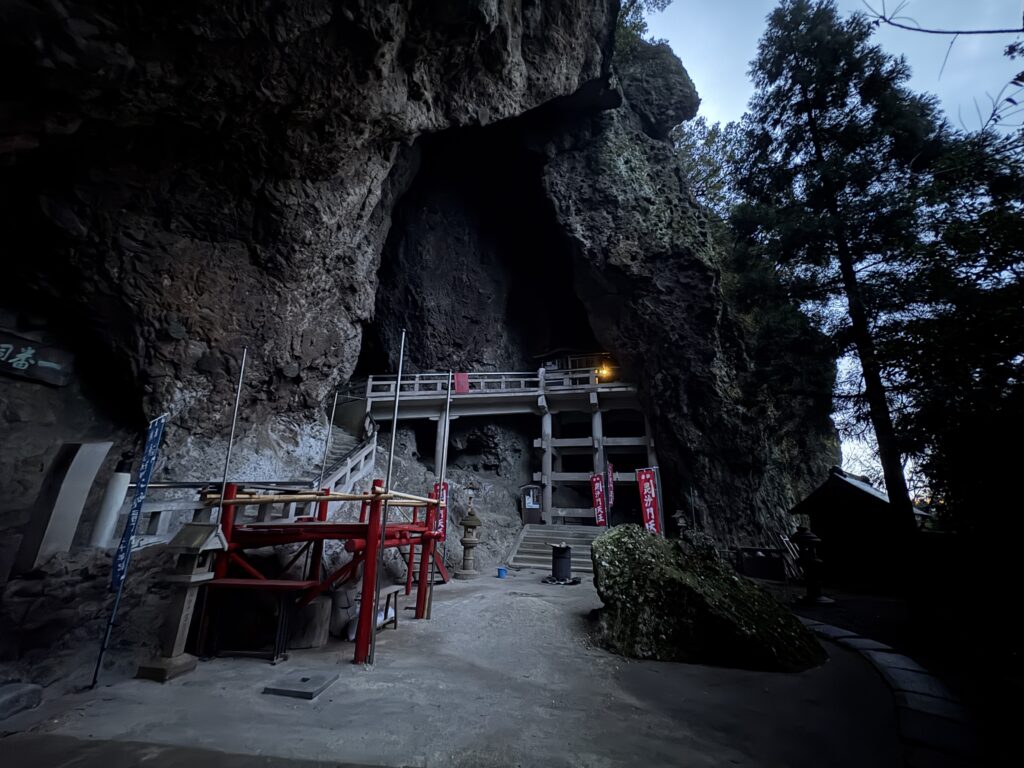
Long before organized religions, Japan had a deep tradition of mountain worship.
From this belief system emerged Shugendo, a uniquely Japanese spiritual practice that blends elements of Buddhism, Shinto, and ancient mountain faith.
Those who practice Shugendo are called yamabushi, ascetic practitioners who withdrew into the mountains and trained in harsh natural environments — entering forests, waterfalls, and remote ridgelines. Through these practices, they cultivated spiritual power, seeking both personal enlightenment and the salvation of others. The places where they trained are mountain temples.
This is why the Shodoshima 88 Temple Pilgrimage is neither purely Buddhist nor Taoist.
It preserves the roots of Japan’s indigenous mountain spirituality in a very direct way.
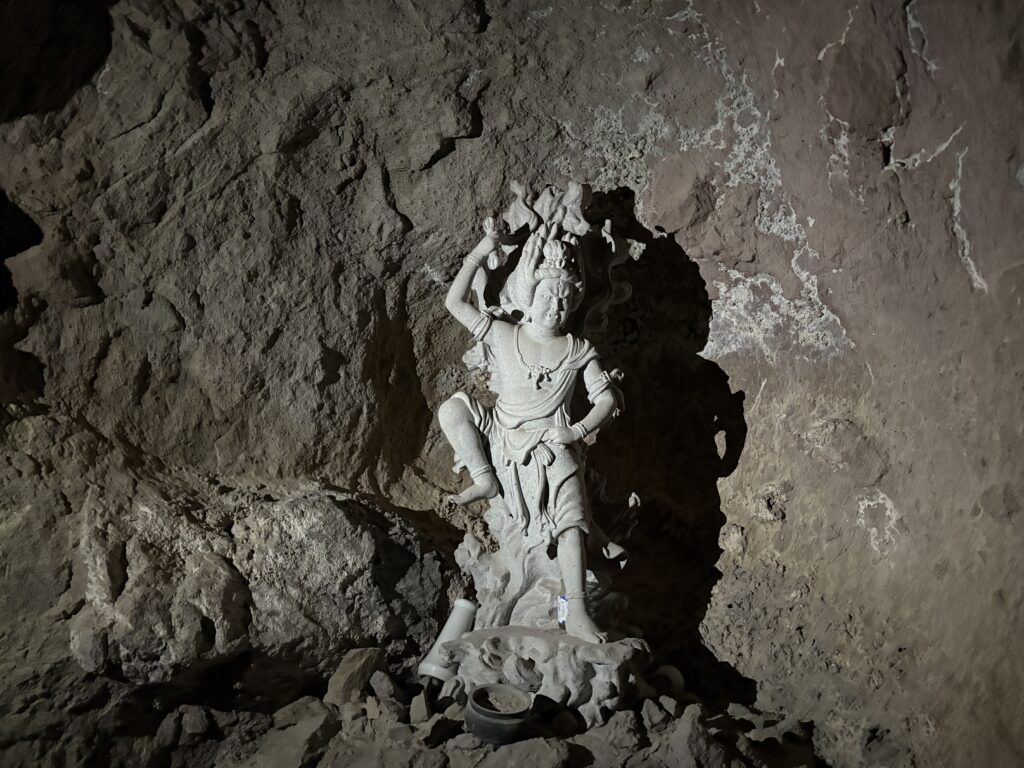
Rather than dismissing this pilgrimage as just another “power spot,” I encourage you to visit it as a place to experience and learn about the foundations of Japanese spirituality.
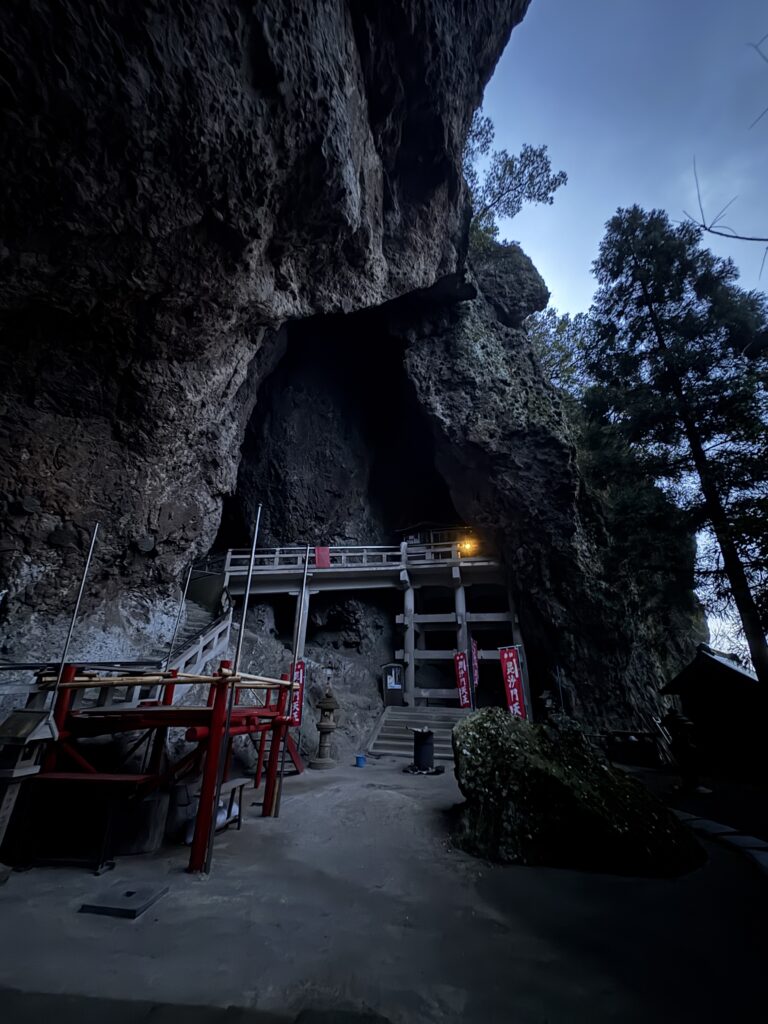
I visited one of the temples after sunset. It sat high in the mountains, completely silent and unlit. Standing still, I could feel the raw presence of nature, and honestly, it was a little frightening.
When I imagined ascetic practitioners staying here through winter, I couldn’t help but feel deep respect for their mental strength.
It’s not flashy or decorative — but somehow, it makes your posture straighten naturally.
This is a place to quietly feel the roots of Japanese belief.
・Visiting a Soy Sauce Brewery- Experiencing Shodoshima’s Food Culture
As mentioned earlier, Shodoshima is famous for soy sauce, and many breweries allow visitors to learn about its production.
Soy sauce is absolutely essential to Japanese cuisine, yet most people rarely get the chance to understand how it’s made. If you’re interested in Japanese food culture, this is well worth a visit. Many breweries require reservations, so be sure to check in advance.
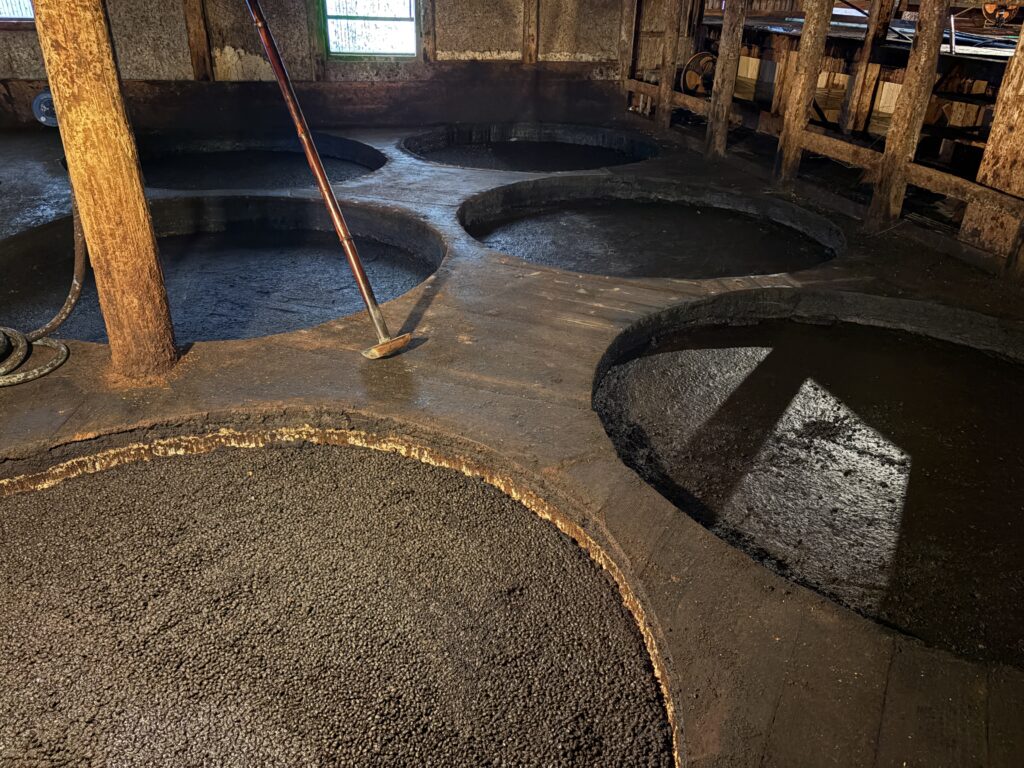
One important rule: do not eat natto before visiting. Natto bacteria are extremely strong and can overpower the koji microorganisms that breweries carefully cultivate to make soy sauce.
One of the highlights of a brewery visit is tasting different soy sauces. You’ll be surprised by how different they can be, even though they’re all simply called “soy sauce.”
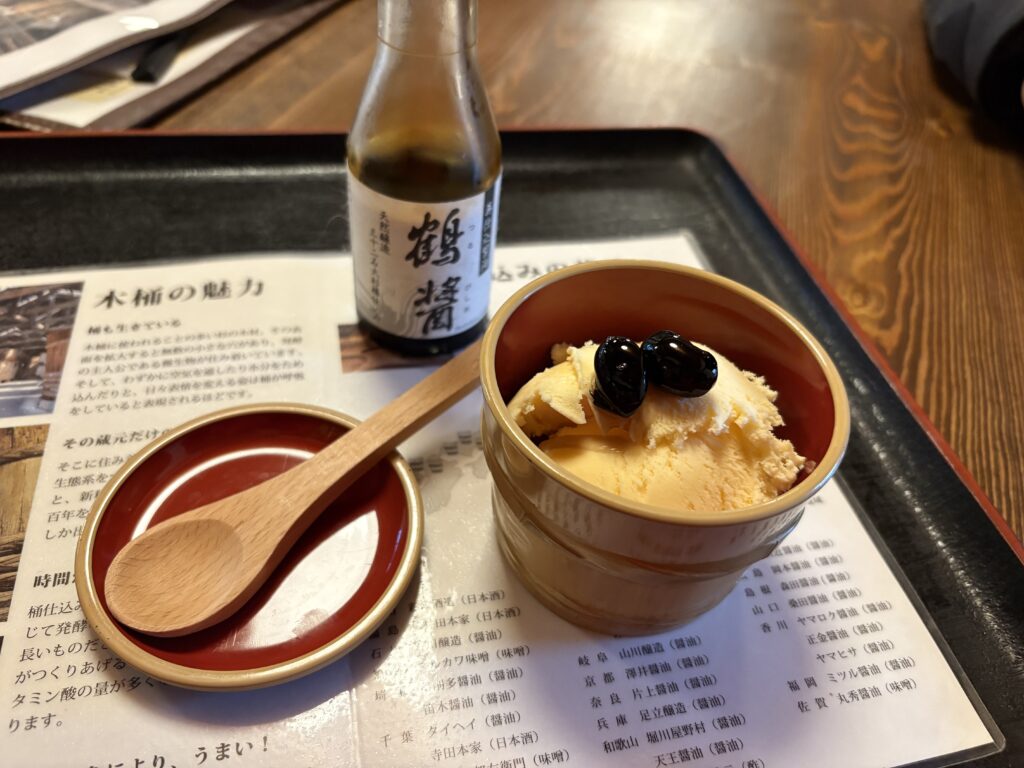
At Yamaroqu Shoyu, where I visited, they even sold soy sauce ice cream.
I was skeptical — soy sauce… in ice cream? — but to my surprise, it was genuinely delicious. It completely changed how I think about the depth and versatility of soy sauce.
8.Where to Stay
• Yoshida Campground
Close to the Yoshida climbing area and equipped with hot springs.
Simply the best possible base for climbers.
・Nishinoie Shodoshima
It’s a special trip — sometimes you want to stay somewhere nice.
If you do, I recommend choosing a traditional Japanese ryokan rather than a standard hotel.

西の家 nishinoie 小豆島
Agoda
• Olivean Shodoshima Sunset Hill Hotel
Located on a hill with ocean views from every room.
I only used the day-use hot spring, but watching the sunset over the sea from the open-air bath was more than enough to satisfy me.

Olivean Shodoshima Sunset Hill Hotel
Agoda
9.Hot Springs & Supermarkets
Hot Springs
If you’re camping, day-use hot springs are essential. Prices and closing days vary, so check in advance.
・Yoshida Onsen Fureai-no-Yu
Located in the same building as Shodoshima Auto Village Yoshida.
The cheapest option and popular with locals — a great place to relax and interact with the community.
・Sun Olive Onsen
Located inside the roadside station Shodoshima Olive Park.
・Olivean Shodoshima Sunset Hill Hotel
Day-use hot spring with sunset ocean views.
**At Japanese hot springs, it is a rule to wash your body before entering the bath. Please also be careful not to let your hair or towel touch the bath water.
Supermarkets
There are no supermarkets near the Yoshida climbing area.
The main shopping areas are Uchinomi and Tonosho, with Uchiumi being closer from the crag.
・Maruyoshi Center (Uchinomi) – Local supermarket
・Marunaka (Uchinomi) – Nationwide AEON chain
10.Rest Day Ideas Beyond Shodoshima
On rainy days or full rest days, it’s easy to explore nearby islands.
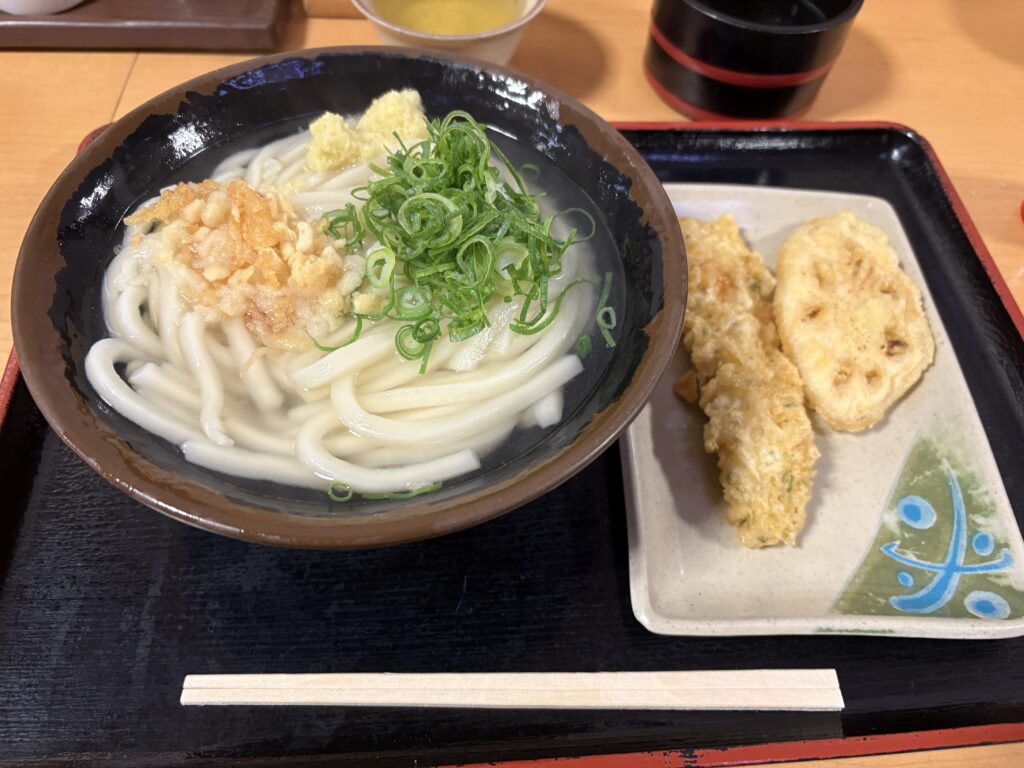
・Udon Tour (Takamatsu)
Udon is one of Japan’s staple noodles, and among ramen, soba, and pasta, it’s actually my personal favorite!
Kagawa Prefecture — where Shodoshima belongs — is famous nationwide for udon.
From Shodoshima (Tonosho Port) to Takamatsu Port, it’s about one hour by ferry, with frequent services.
Among countless udon shops, my recommendation is Baka Ichidai’s Kamatama Udon — udon mixed with butter and a raw egg, creating a carbonara-like dish. It proves that carbonara isn’t exclusive to pasta.
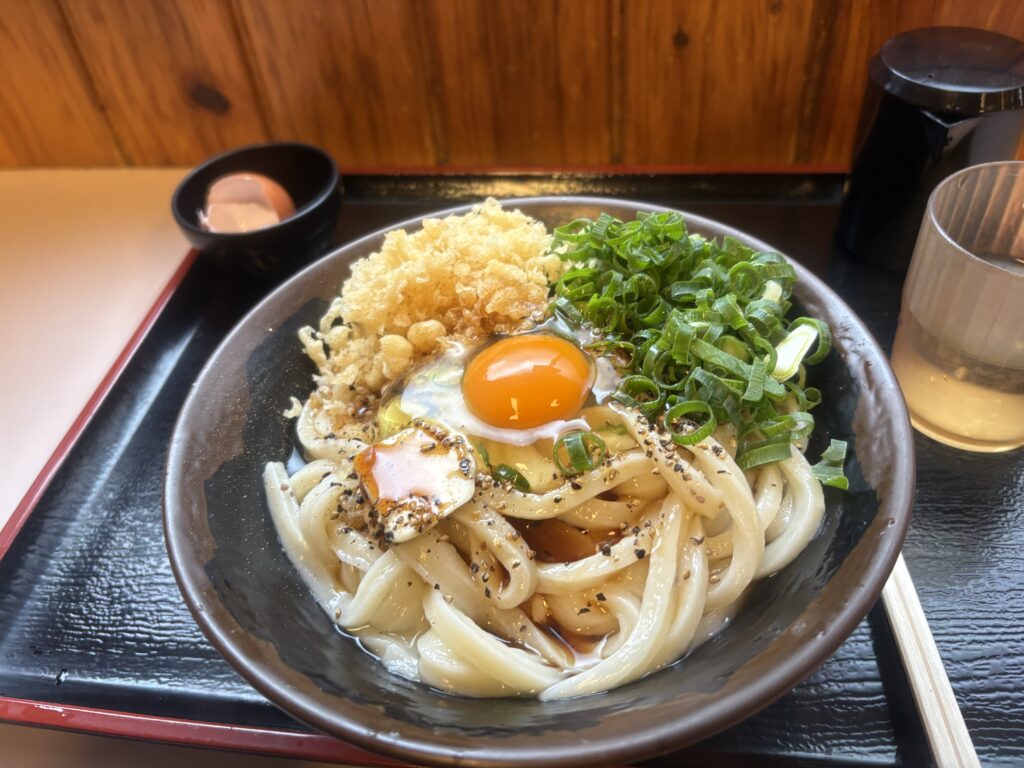
For a classic experience, try kama-age udon, usually paired with your choice of tempura.
If you have a strong appetite, try an udon-hopping tour — there are plenty of shops to choose from.
・Naoshima
An island famous for contemporary art, including works by Yayoi Kusama and the Benesse Art Site.
The entire island feels like an open-air museum.
It’s smaller than Shodoshima, so cycling is ideal. Access requires traveling via Takamatsu.
・ Teshima
Another art island, known for the Teshima Art Museum.
Personally, though, what I love most is its quiet, unhurried atmosphere. It’s even more peaceful than Shodoshima and perfect for a rest day.
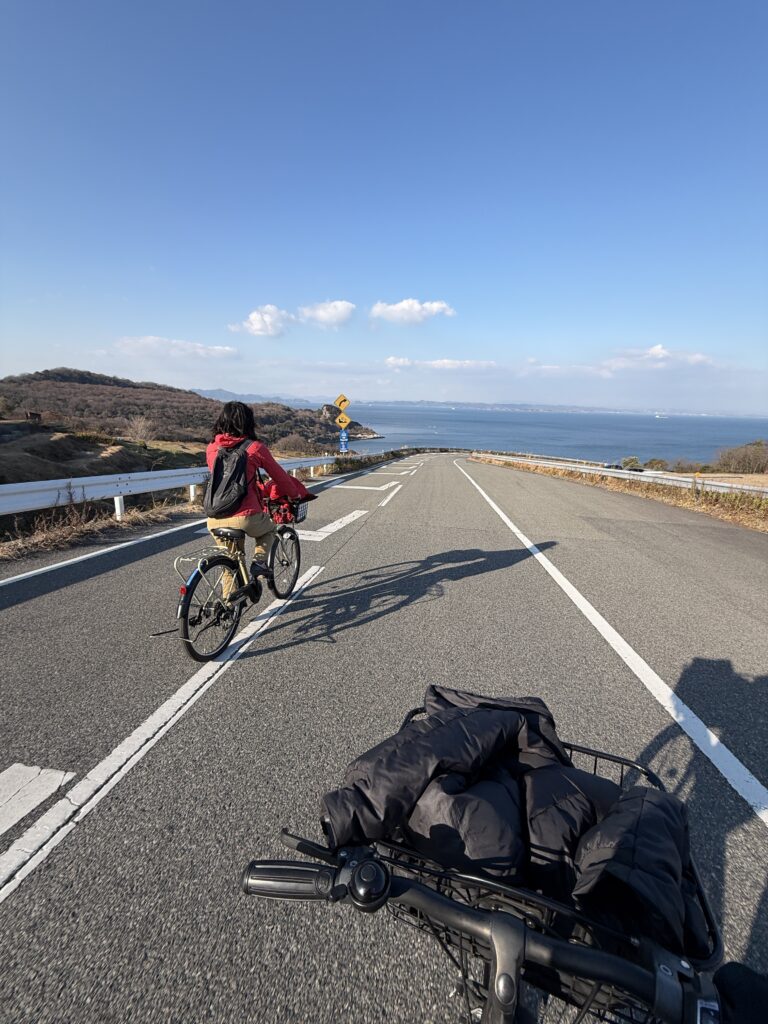
The island is compact enough to circle by bike in half a day, always with the sea in view. English support is well established, making it easy for international visitors.
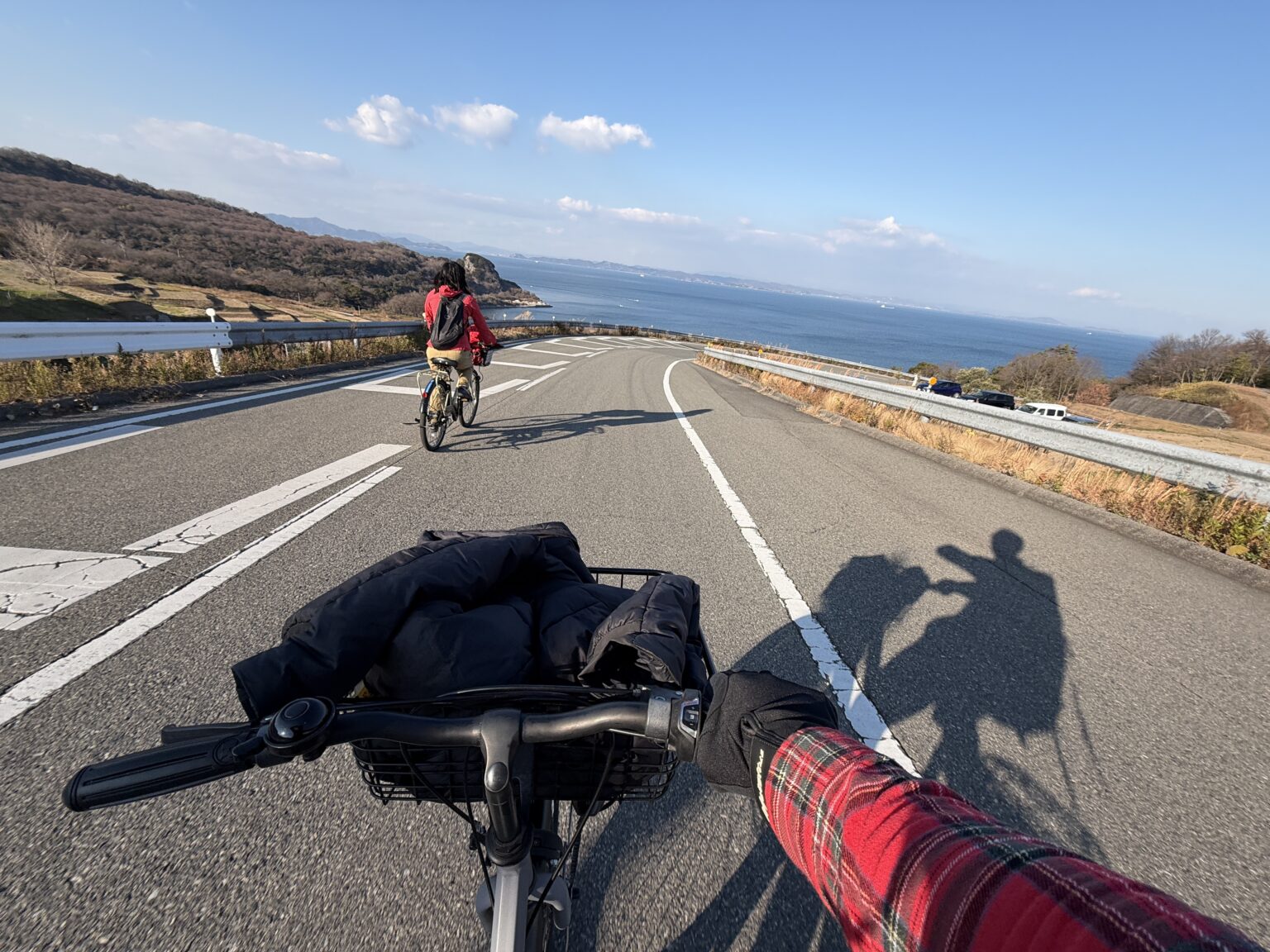
Teshima is only 30 minutes by ferry from Shodoshima.
Rent a bike — preferably an electric one, as the island is hilly.
This article introduced an overview of Shodoshima.
For detailed information about the climbing routes and approach and so on, please check the related article below.
For more climbing areas accross Japan, Check below links.