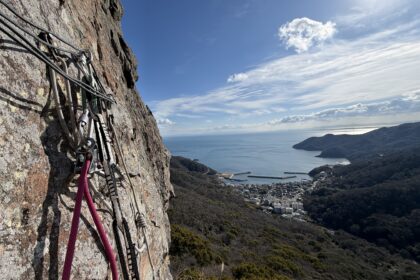
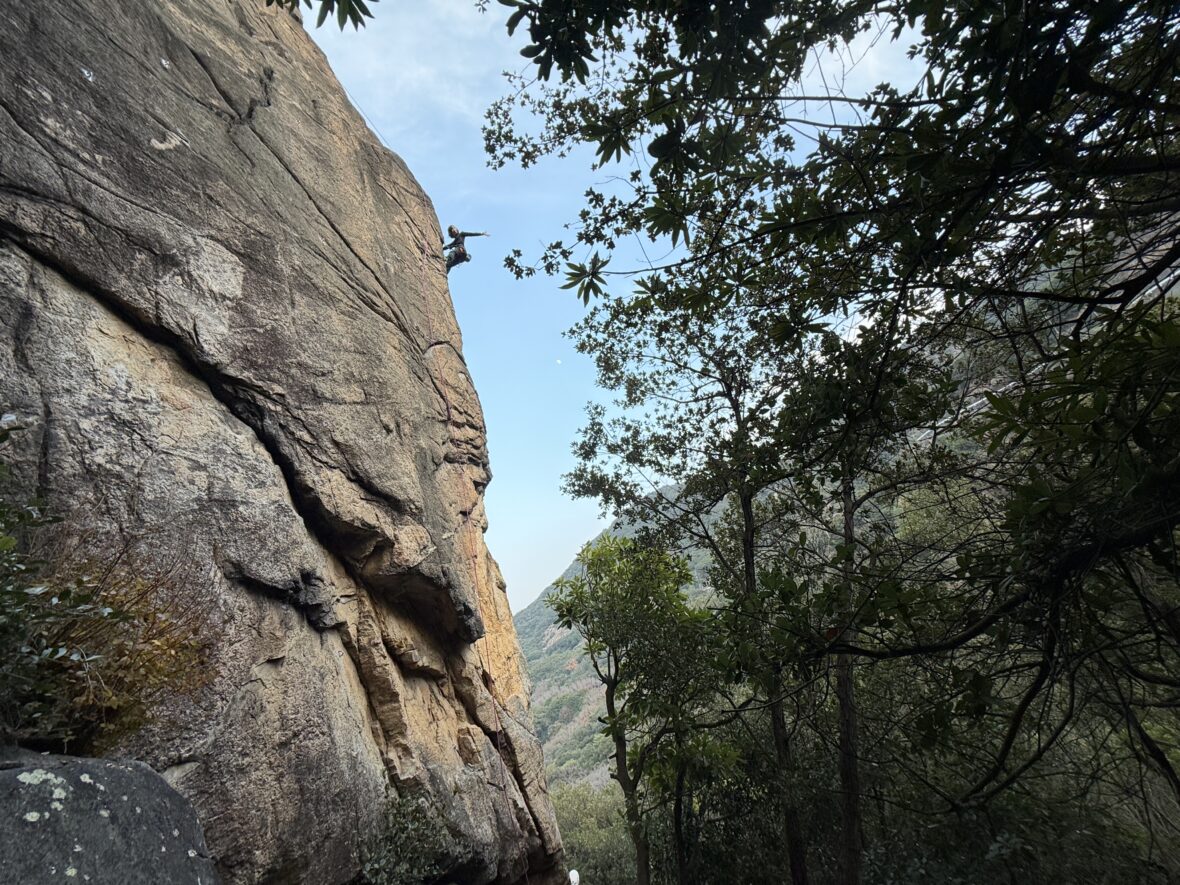
Shodoshima is a small island in western Japan, often called “the Mediterranean of Japan.”
With its mild climate, beautiful sea views, and slow island rhythm, it’s an ideal place to combine climbing with culture, food, and rest.
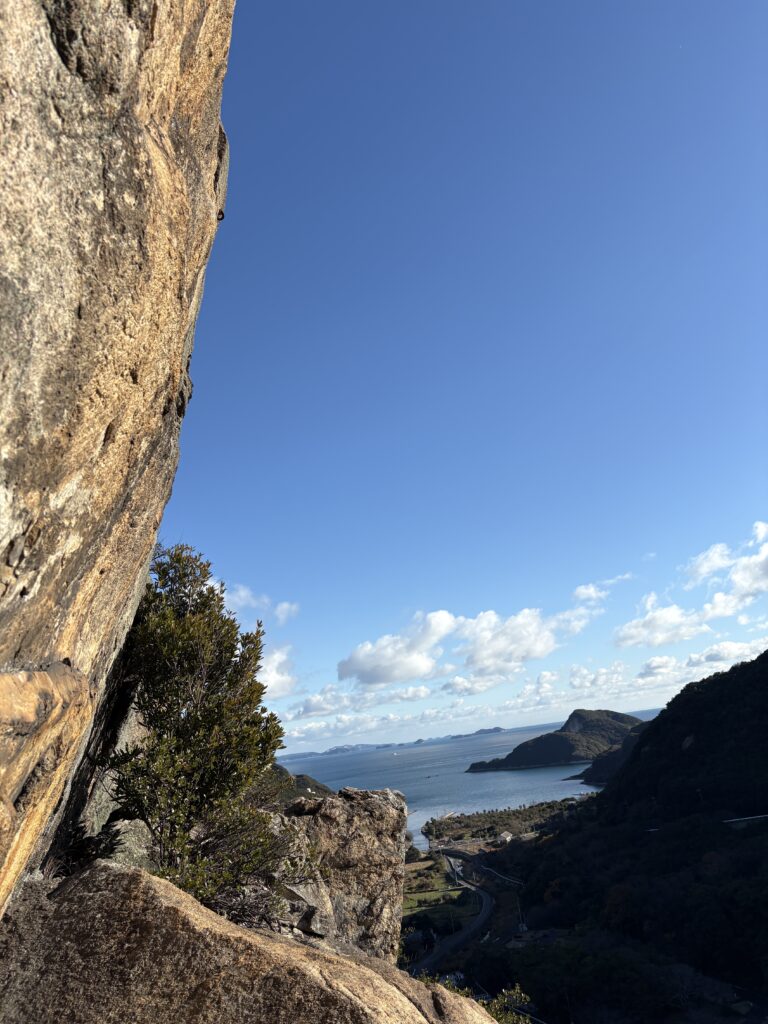
This article is for Climbers who are interested in not only climbing but also local culture and slow travel. (It is the reason why I visited Shodoshima — slow mornings, quiet roads, the smell of the sea, and granite that asks you to slow down and think.)
In this article, I’ll focus on Yoshida Crag, the main climbing area on Shodoshima, and share practical details based on actually climbing there.
Contents.
1.Overview – Yoshida Crag
Yoshida Crag is the main sport climbing area on Shodoshima. (Not Big wall / multi pitch)
Key Features
1. Beautiful Views and a Slow Island Rhythm
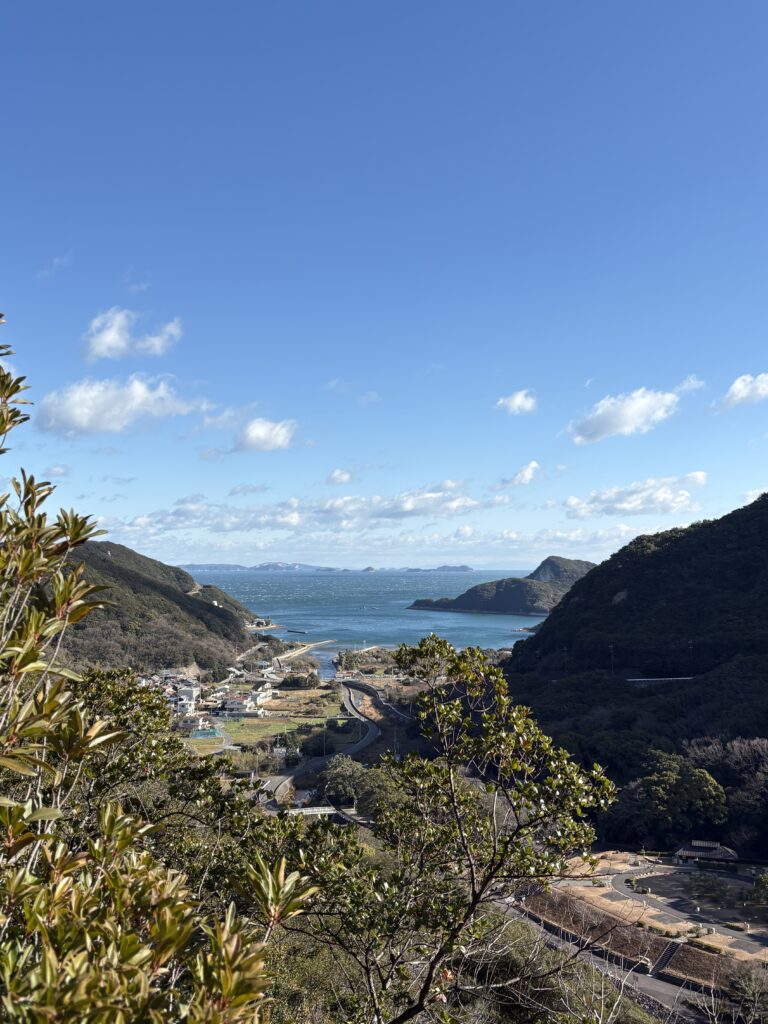
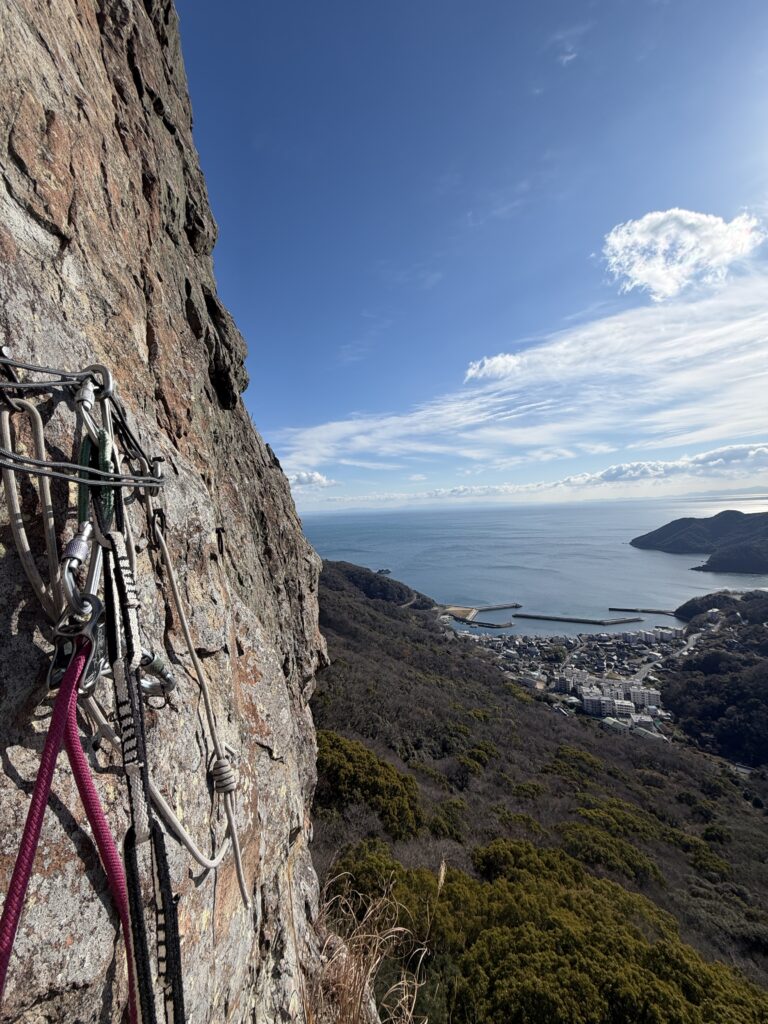
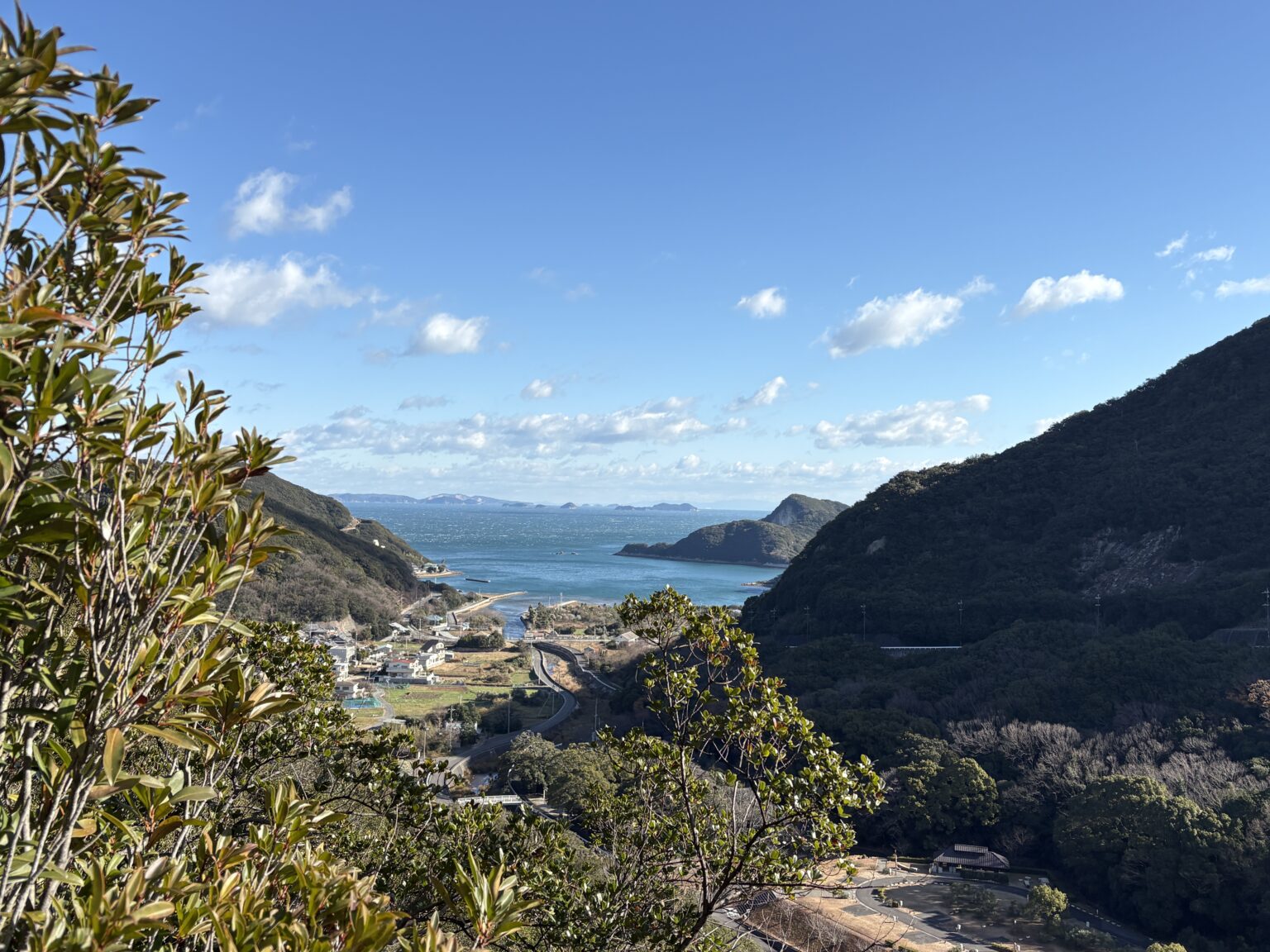
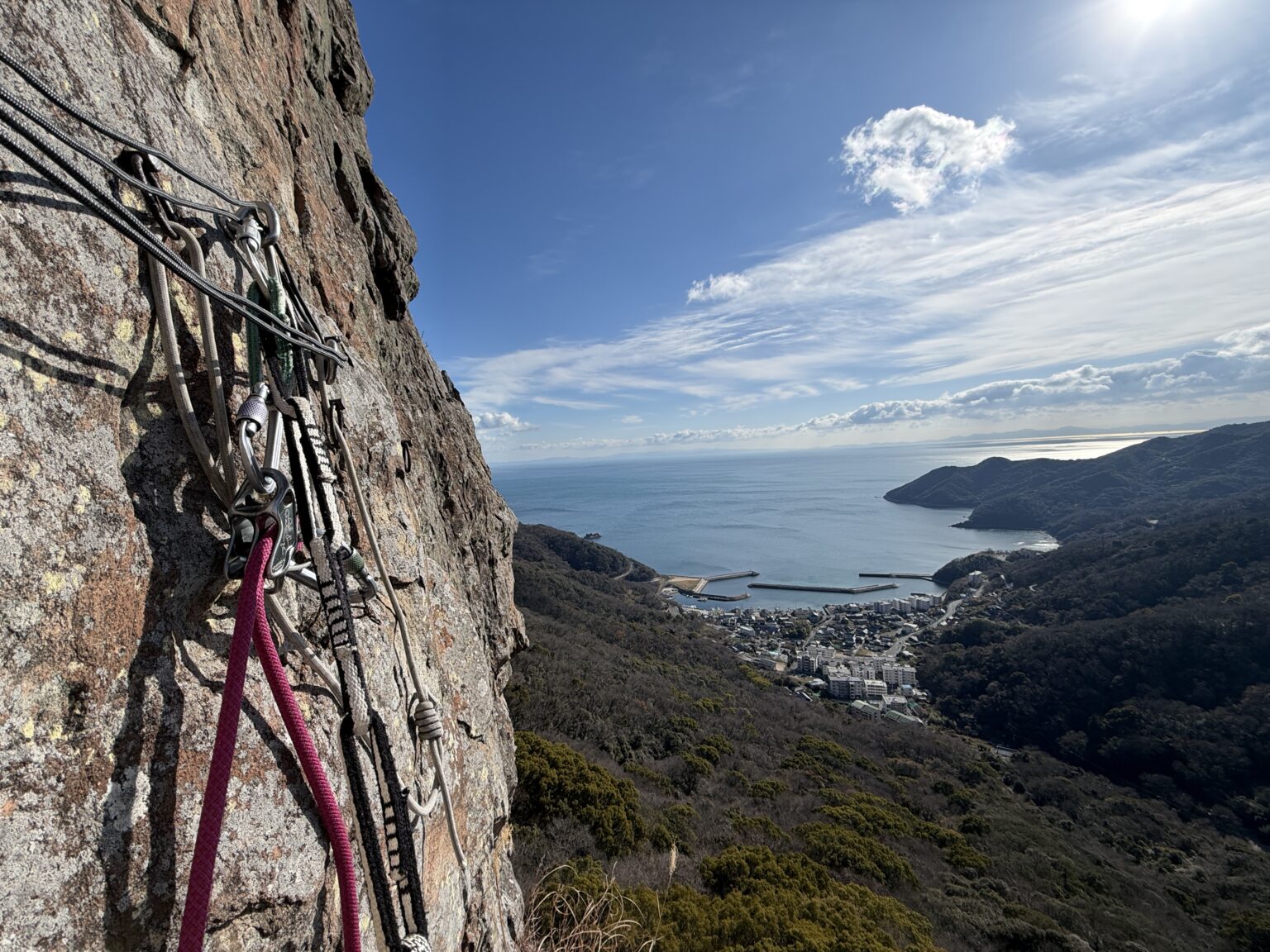
After topping out, you’re rewarded with sweeping views of the deep blue sea below.
The calm, unhurried rhythm of life on Shodoshima is deeply relaxing, making every climbing day feel like a retreat.
2. Over 100 routes and Grades for a Wide Range of Climbers
Yoshida Crag mainly offers routes from 5c to 7b, making it accessible even for beginners. And there are over 100 routes in total!
With relatively close bolt spacing, the crag feels safe and welcoming, allowing many climbers to relax and enjoy the movement.
3. More Than Just Climbing
Shodoshima has its own unique culture and food traditions, offering plenty to enjoy beyond the rock.
Rest days are never a problem, and with short approaches, it’s easy to combine a half day of climbing with a half day of sightseeing.
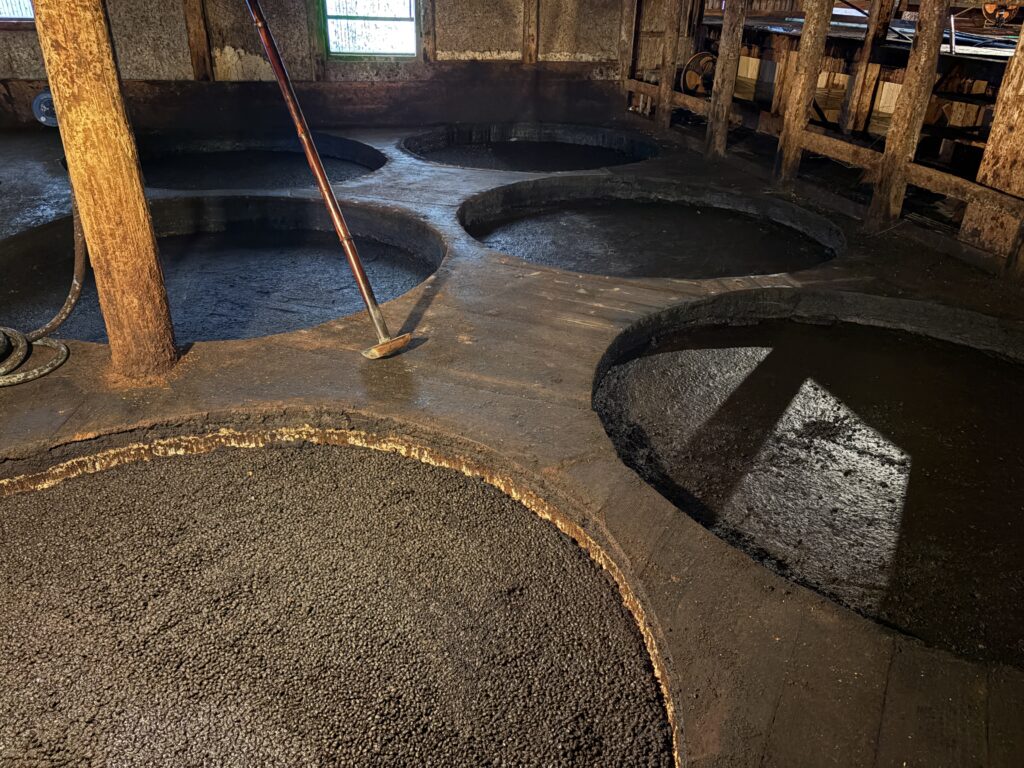
2.Rock & Climbing Style
Rock type: Granite
Route number: 100+
Grades: Mostly 5.9 – 5.11 (French 5c – 7b), with a few harder lines
Route length: Short to medium
Protection: Mostly bolted sport routes. Bolt spacing is very close (feels safe even for visitors)
Some mixed routes with natural protection, but cams are rarely needed
Rope: 50m is enough for most routes. A few routes require a 60m rope
Quickdraws: 10+ recommended (short routes but many bolts)
Climbing here is technical granite climbing — slabs, friction, mantles, balance, and precise footwork rather than steep power. Grades feel technical rather than powerful
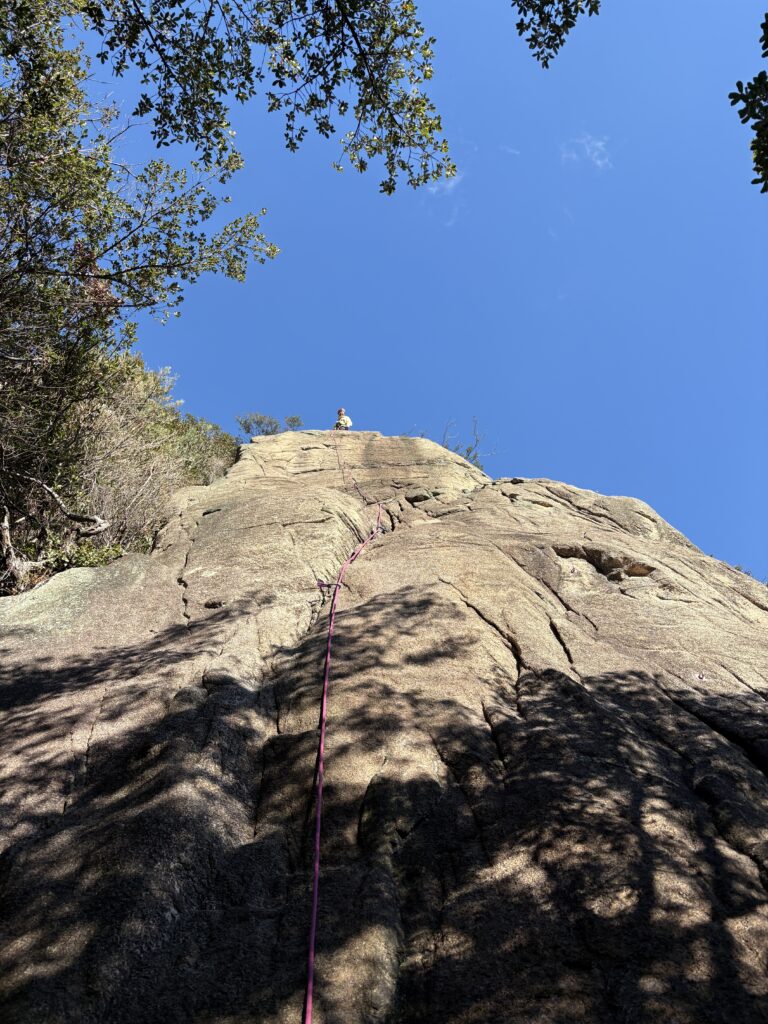
3.Best Season
Although Shodoshima is known as a warm, tourist-friendly island, the best climbing season is autumn to spring.
Best months: Late October – early April
Summer: Too hot for climbing
Winter: Stable weather, excellent friction
(Snow is rare but possible — bring warm layers. Winter mornings were cold enough to numb my fingers, but once the sun reached the slab, the granite felt perfect.)
Autumn is especially nice, with beautiful fall colors in Kankakei Gorge, one of Japan’s top scenic valleys.
4.Guidebook (Topo)
The Yoshida topo is only available locally.
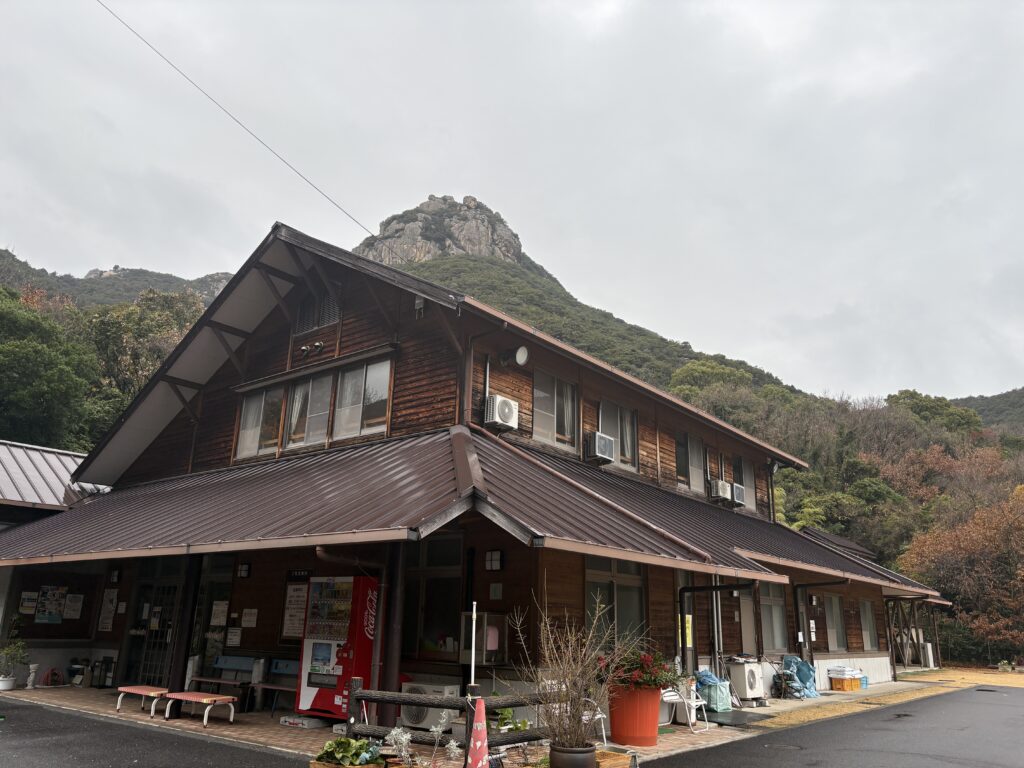
Available at Auto Village YOSHIDA. No online sales. Plan to buy it after arrival.
5.Recommended Routes (Highlights)
These routes give a good sense of Yoshida’s character:
・Kimochin Yoka (6a/6a+)
Fun mixed route with bolts and natural gear, including a mantle finish and great views at the top.
“Kimochin Yoka” is a Japanese phrase that means “it feels good.” True to its name, this route is fresh, open, and wonderfully refreshing.
・Raijin (6c/6c+)
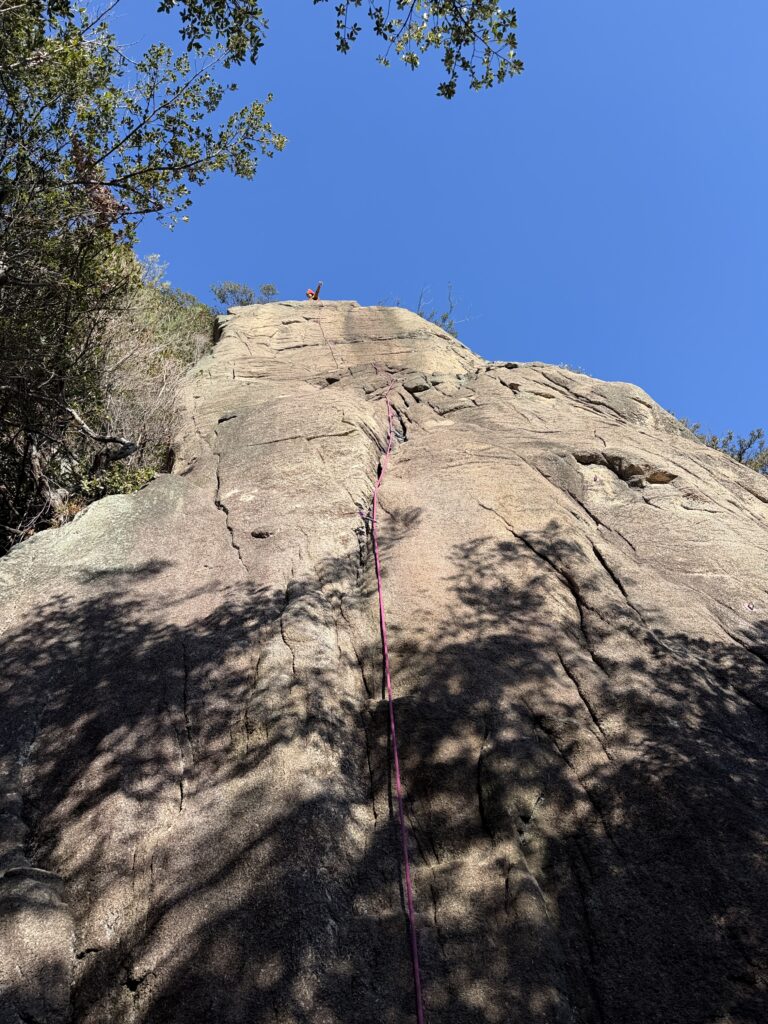
Probably the most popular route at Yoshida.
Starts on face climbing and finishes on slab — the final, slow-burning move is exciting and memorable.
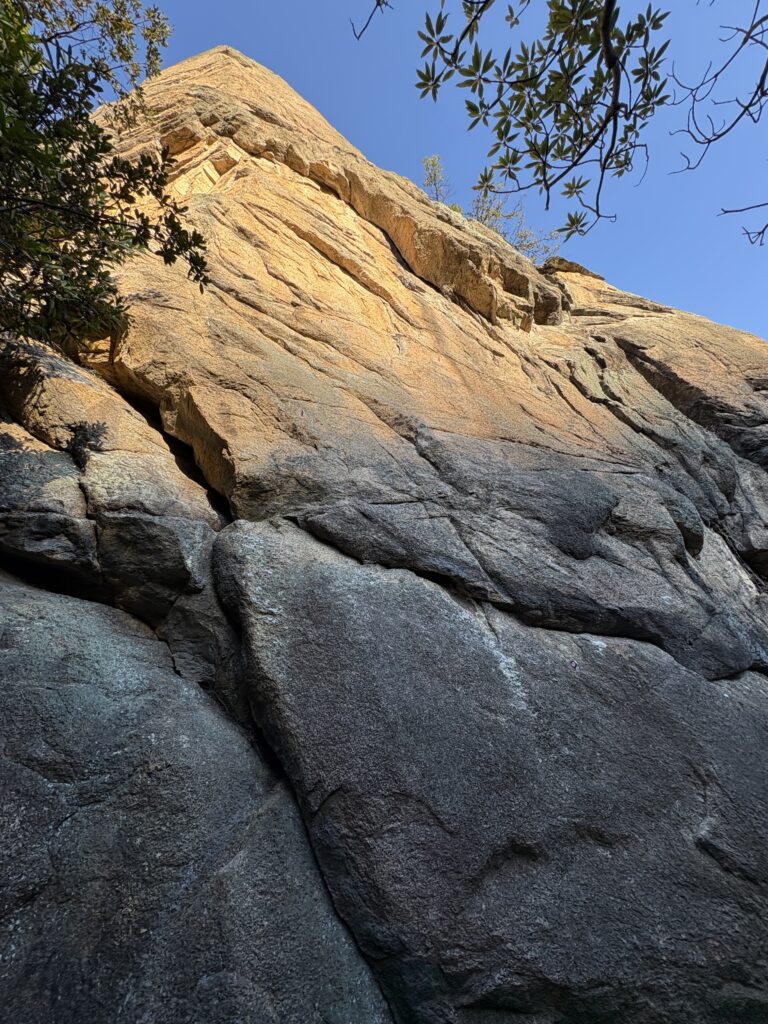
・S-Line (7a+/7b)
A classic friction route.
Jamming, traversing, mantles — varied movement and good length.
My personal favorite!
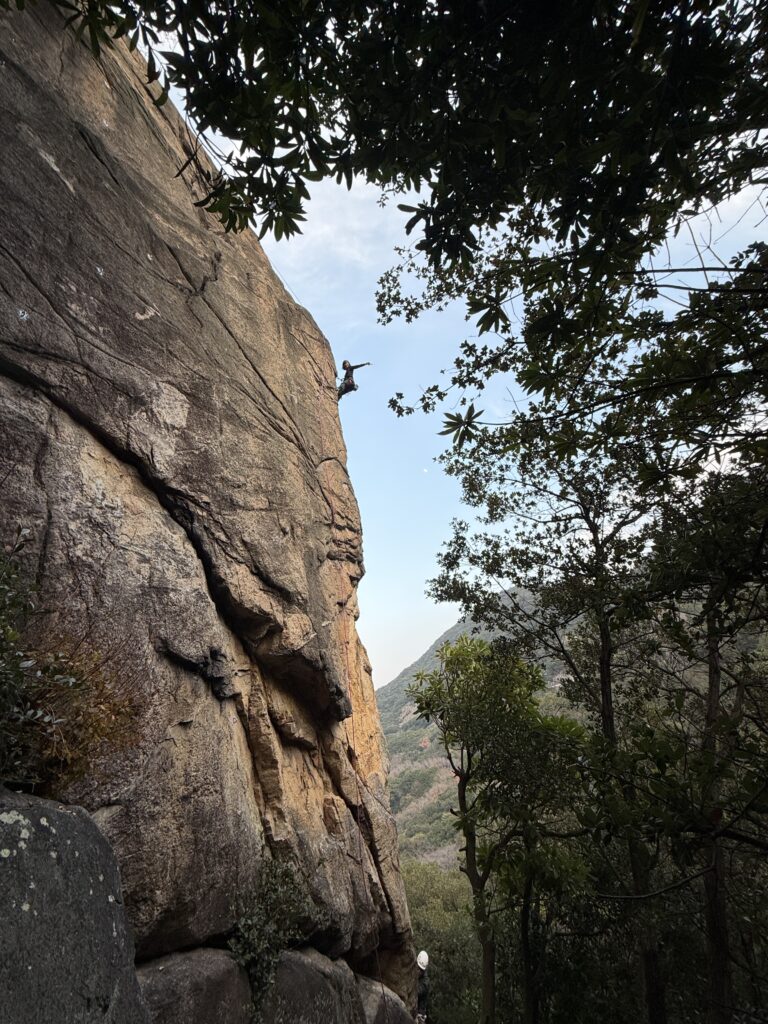
・Setouchi Present (7c+)
A rare overhanging route for Yoshida.
Big holds, sidepulls, and crimps — very fun and modern-feeling.
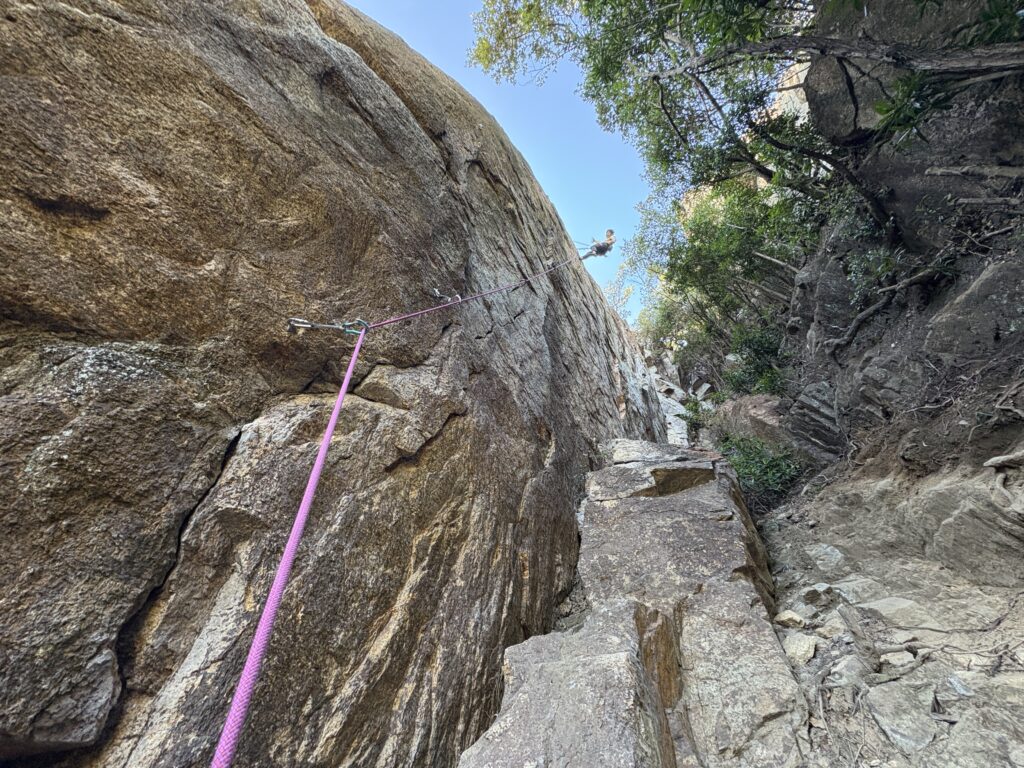
“Yoshida Crag – Personal Route Log & Impressions” is below links
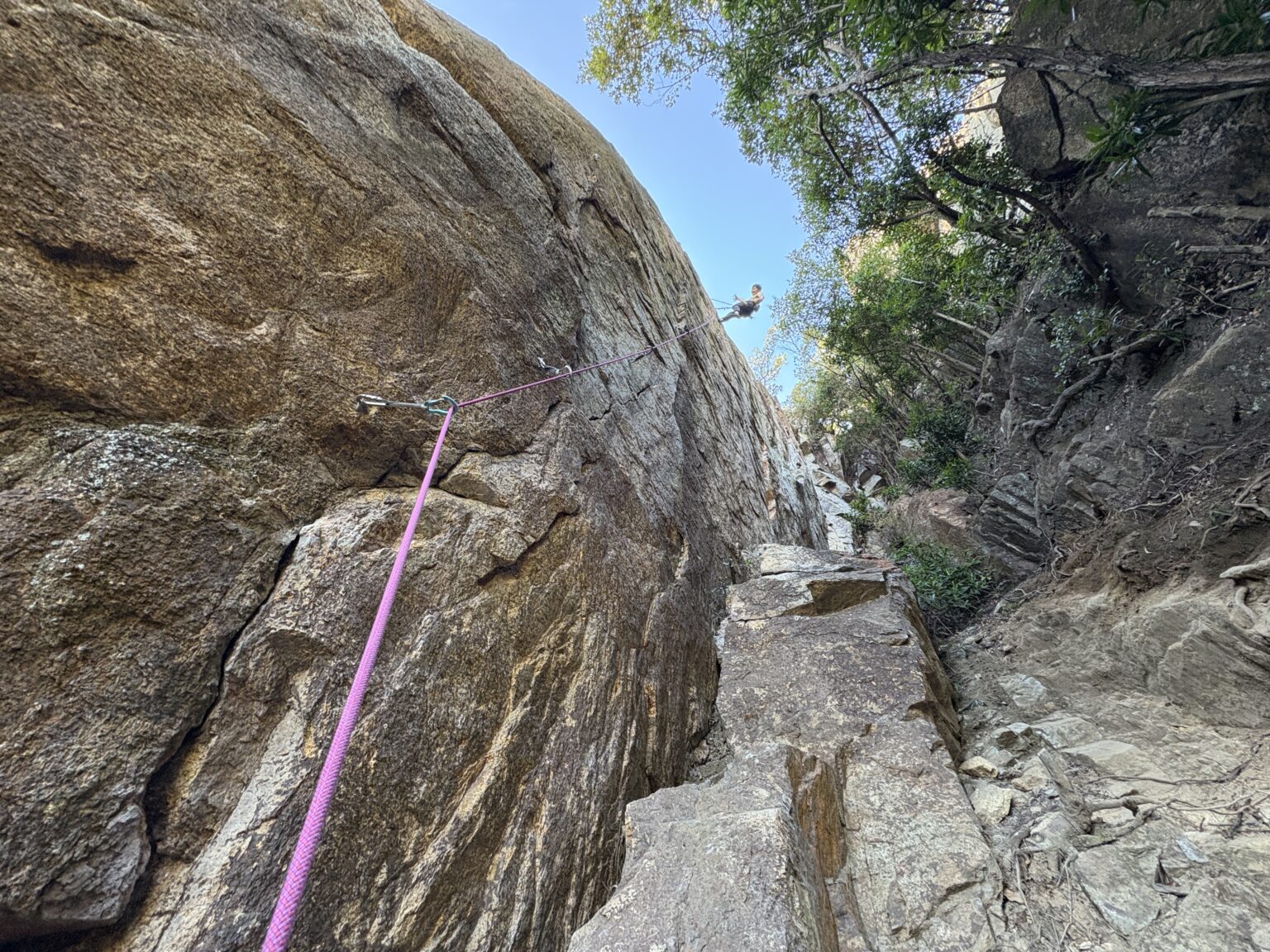
6.Access to Yoshida Crag
To shodoshima
Reaching Shodoshima may look complicated at first, but it is actually very straightforward once you understand the ferry connections.
Below is a detailed step-by-step guide from major cities in Japan.
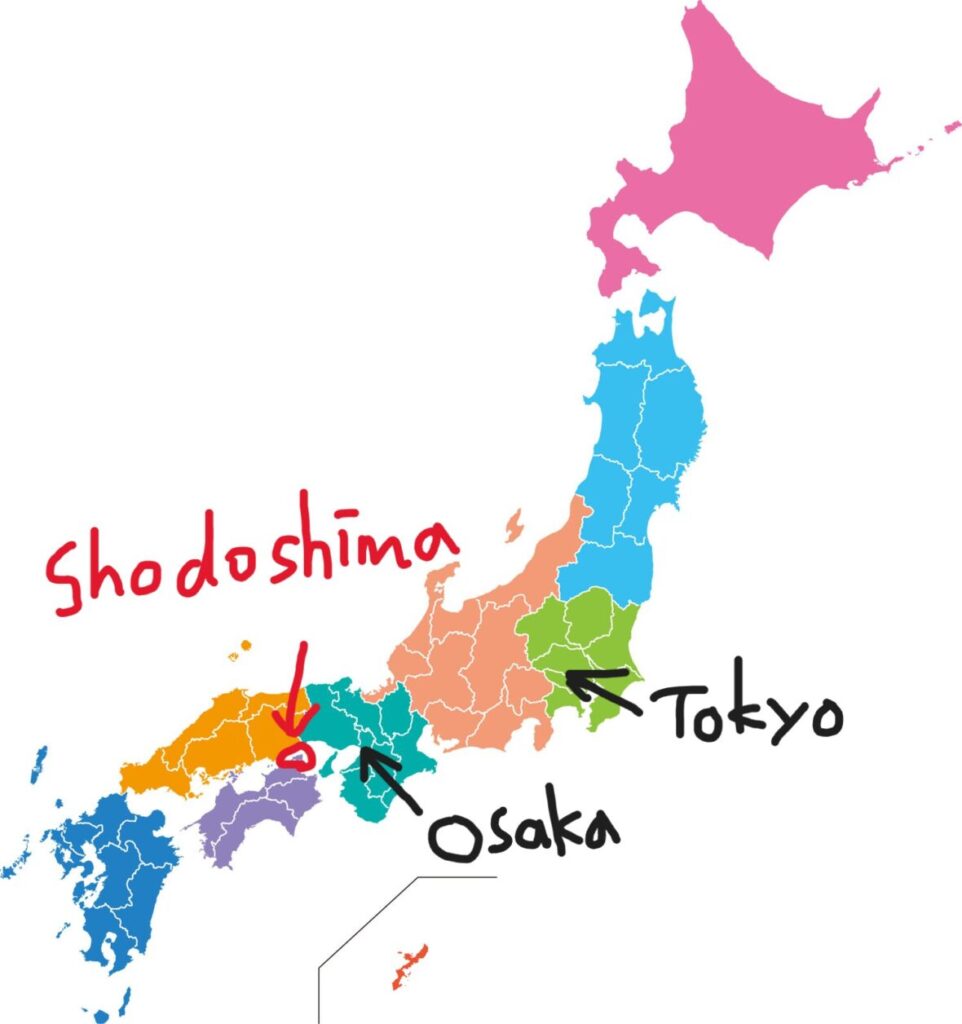
Route 1: Via Himeji (Recommended)
This is the route I personally used, and it is one of the easiest and most comfortable options.
From Tokyo
Tokyo → Himeji Station (Shinkansen (bullet train): approx. 3–3.5 hours)
Himeji Station → Himeji Port (Local bus: approx. 20 minutes)
Himeji Port → Fukuda Port (Shodoshima) (Ferry: approx. 100 minutes)
**Fukuda Port is the closest port to Yoshida Crag, making this route very convenient.
From Osaka
Osaka → Himeji Station (Shinkansen: approx. 30 minutes)
Himeji Station → Himeji Port (Local bus: approx. 20 minutes)
Himeji Port → Fukuda Port (Ferry: approx. 100 minutes)
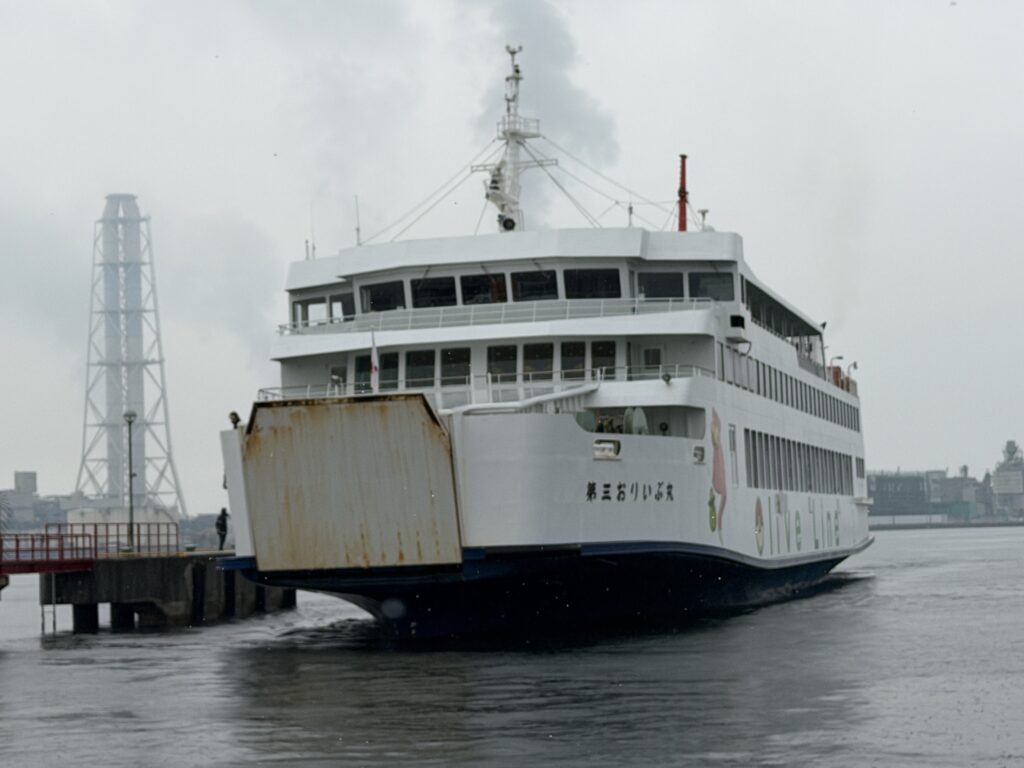
Route 2: Via Okayama
This route is commonly used and well connected, but you will arrive at Tonosho Port, which is farther from the crag.
From Tokyo
Tokyo → Okayama Station (Shinkansen: approx. 3.5 hours)
Okayama Station → Uno Port (Local bus: approx. 60 minutes)
Uno Port → Tonosho Port (Shodoshima) (Ferry: approx. 60–90 minutes)
From Osaka
Osaka → Okayama Station (Shinkansen: approx. 45 minutes)
Okayama Station → Uno Port (Local bus: approx. 60 minutes)
Uno Port → Tonosho Port (Ferry: approx. 60–90 minutes)
Route 3: Via Takamatsu
This route is useful if you plan to combine your trip with sightseeing in Shikoku.
From Tokyo
Tokyo → Takamatsu (Flight: approx. 100 minutes OR train: approx. 4–4.5 hours (Shinkansen + local trains)
Takamatsu Station → Takamatsu Port (Walk: approx. 7 minutes)
Takamatsu Port → Tonosho Port (Shodoshima) (Ferry: approx. 60 minutes)
From Osaka
Osaka → Takamatsu (Train: approx. 4–4.5 hours)
Takamatsu Station → Takamatsu Port (Walk: approx. 7 minutes)
Takamatsu Port → Tonosho Port (Ferry: approx. 60 minutes)
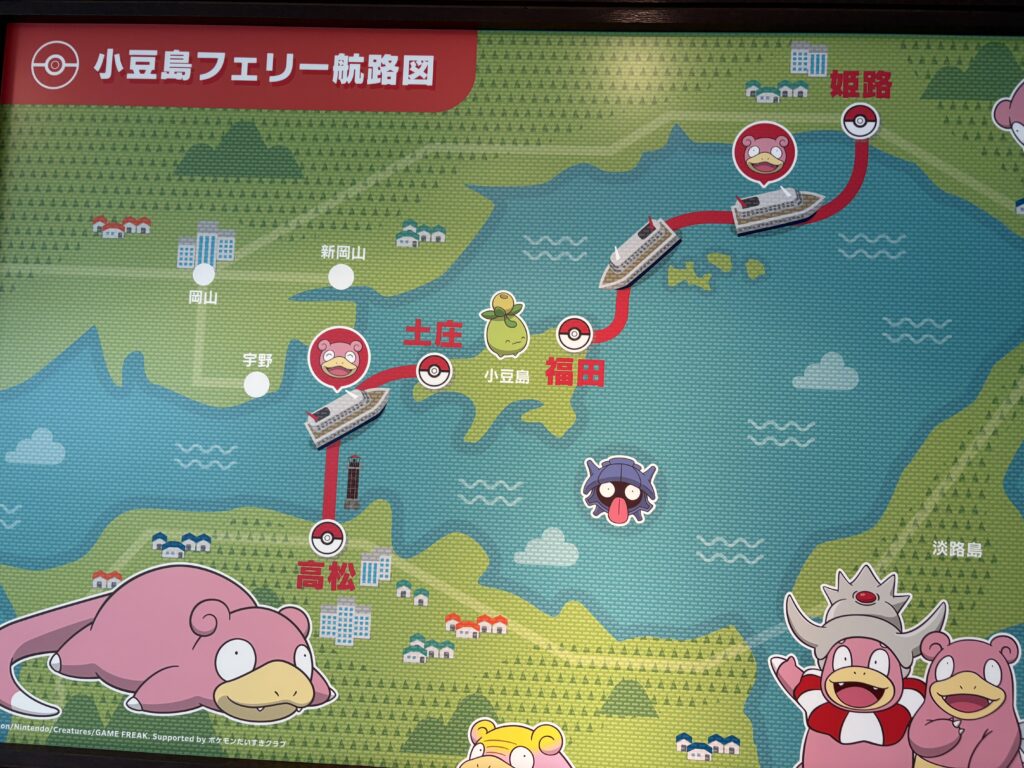
From Shodoshima Ports to Yoshida Crag
From Fukuda Port (Closest)
Car: approx. 5 minutes
Bus: approx. 25 minutes
Walking: approx. 45 minutes
Best choice if you plan to stay near the crag.
From Tonosho Port
Car: approx. 40 minutes
Bus: approx. 45 minutes
Walking: approx. 6 hours (not realistic with climbing gear)
Important Travel Tips for Climbers
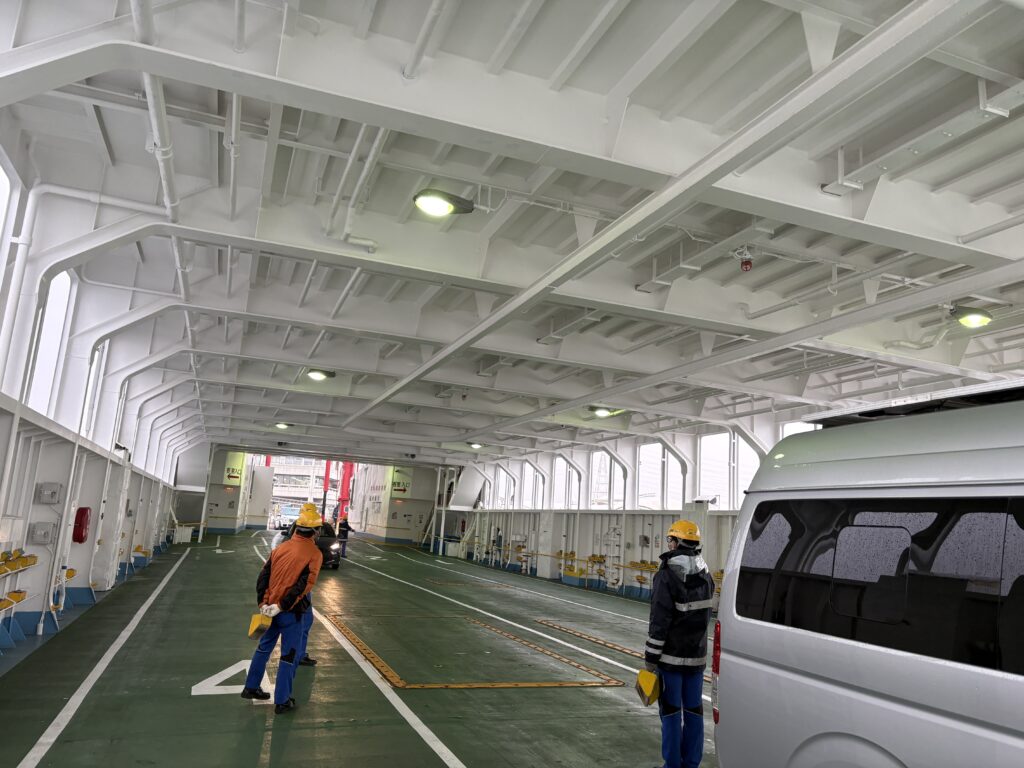
Ferries allow cars, so you can:
Rent a car on the mainland. Drive onto the ferry. Use the same car on Shodoshima
This is one of the easiest options for climbers. Public transport on the island is limited.
If you plan multiple climbing days, having a car is highly recommended.
Always check ferry timetables in advance, especially in winter.
Car Rental
There are rental cars on Shodoshima, but availability is limited.
A good option is:
Rent a car before boarding the ferry and bring it onto the island
This makes climbing days much easier.
7.Parking & Approach
Parking:
Use Auto Village YOSHIDA (paid).
Roadside parking is not allowed.
Approach from Auto Village YOSHIDA
The approach to Yoshida Crag is short, clear, and well maintained, making it stress-free even for first-time visitors.
From Auto Village YOSHIDA, walk uphill on the paved road toward the dam.
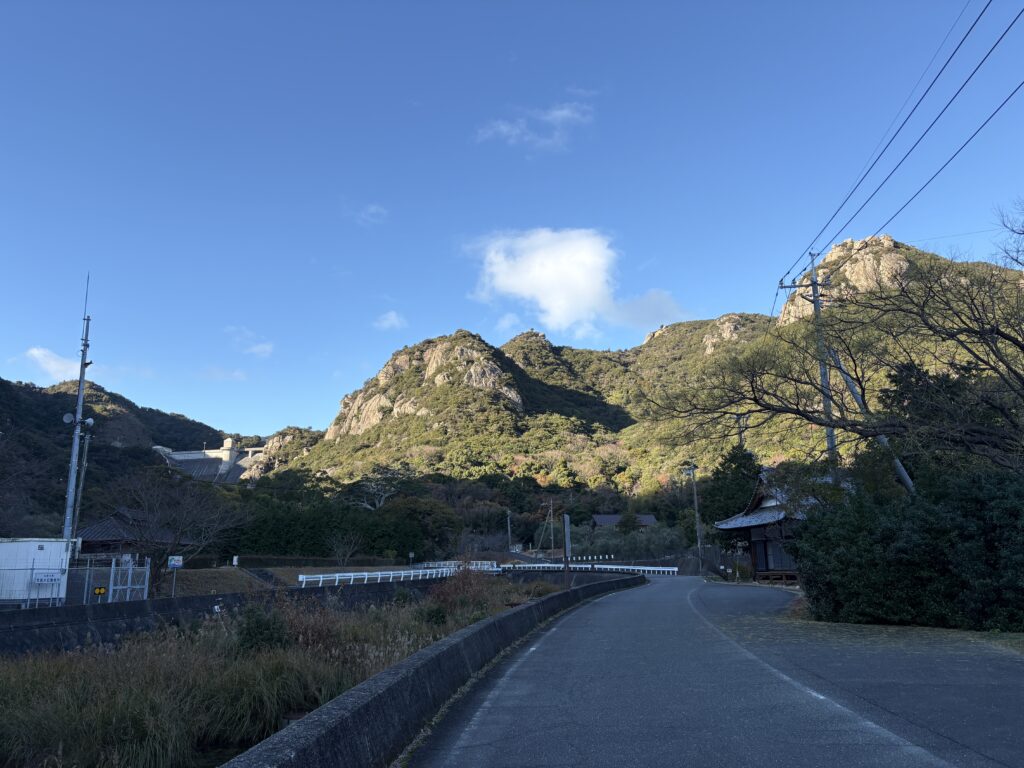
The road gently climbs, and within about 10 minutes, you will reach the end of the pavement at the dam.
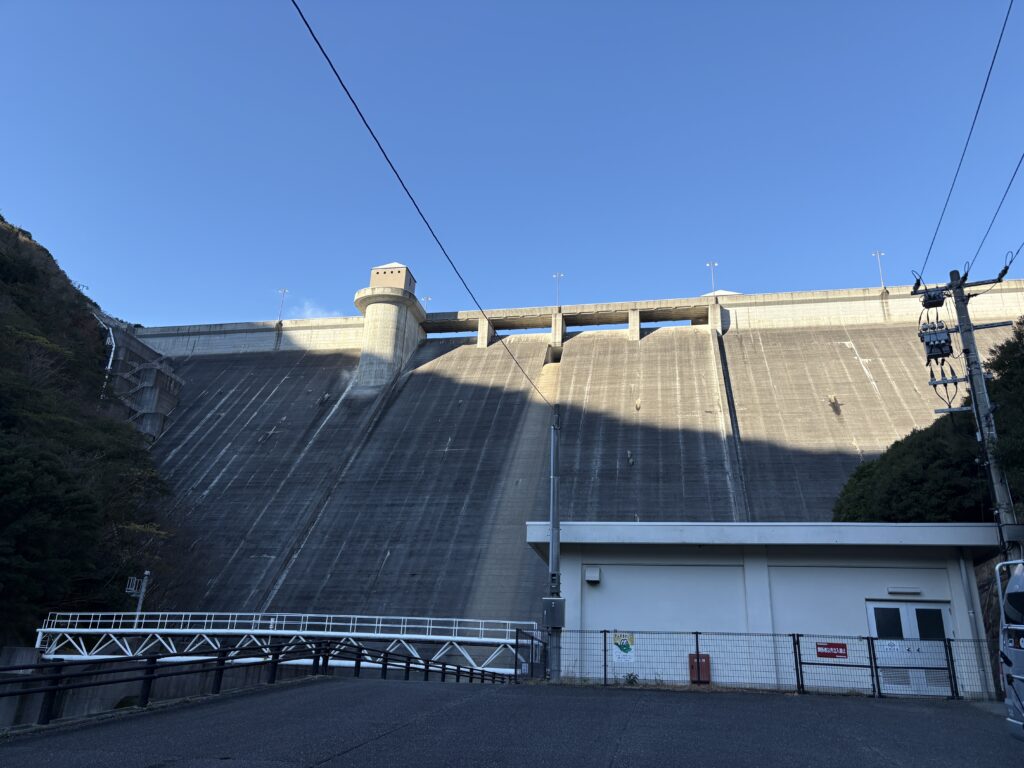
At the dead end, you’ll see a sign on the right side: a monkey wearing a helmet, warning of falling rocks. It’s an easy landmark to remember.
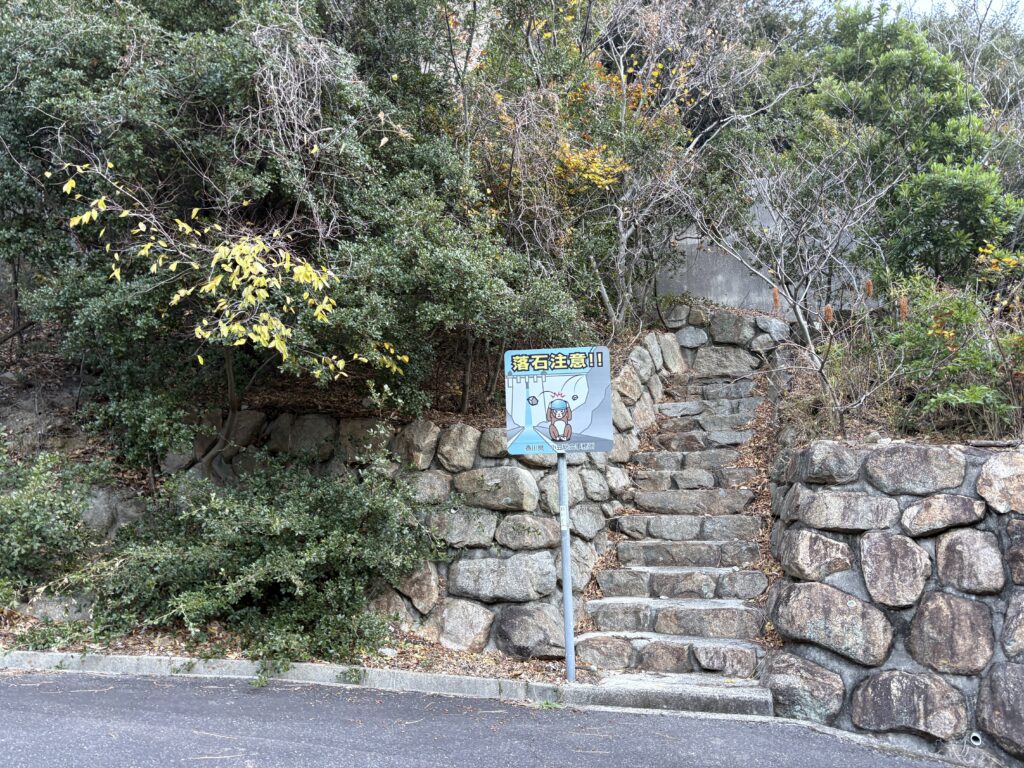
Next to this sign, stone steps lead uphill into the forest.
Follow these steps, and in less than 5 minutes, you’ll arrive at the first climbing area, Cube Rock.
From Cube Rock, continue along the same trail to reach the deeper sectors.
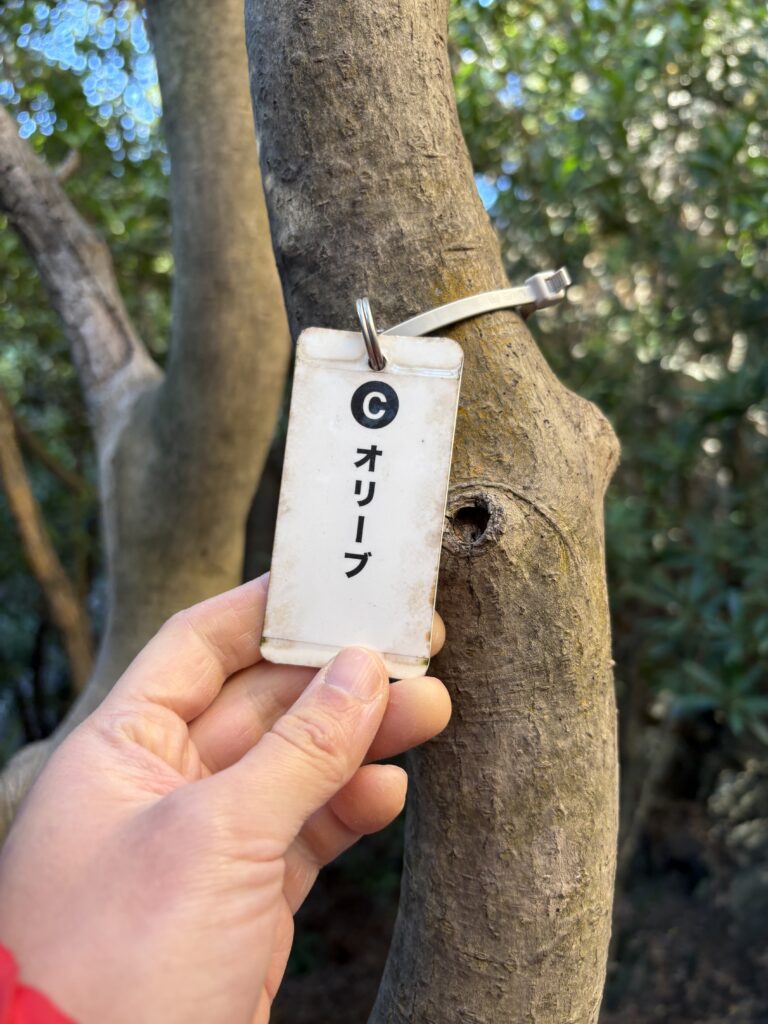
Each sector has a small sign with its name written on it, and the trail is clearly maintained throughout.
Navigation is straightforward, and it’s almost impossible to get lost.
8.How Many Days?
Yoshida Crag only: 3–4 days is perfect
Climbing + sightseeing: 1 week is ideal
There are also other climbing areas on Shodoshima, including multi-pitch routes, so longer stays are well rewarded.
9.Climbing Shops
There are no climbing shops on the island.
Bring all necessary gear with you.
10.Rest Days & Culture
Rest days on Shodoshima didn’t feel like “days off.”
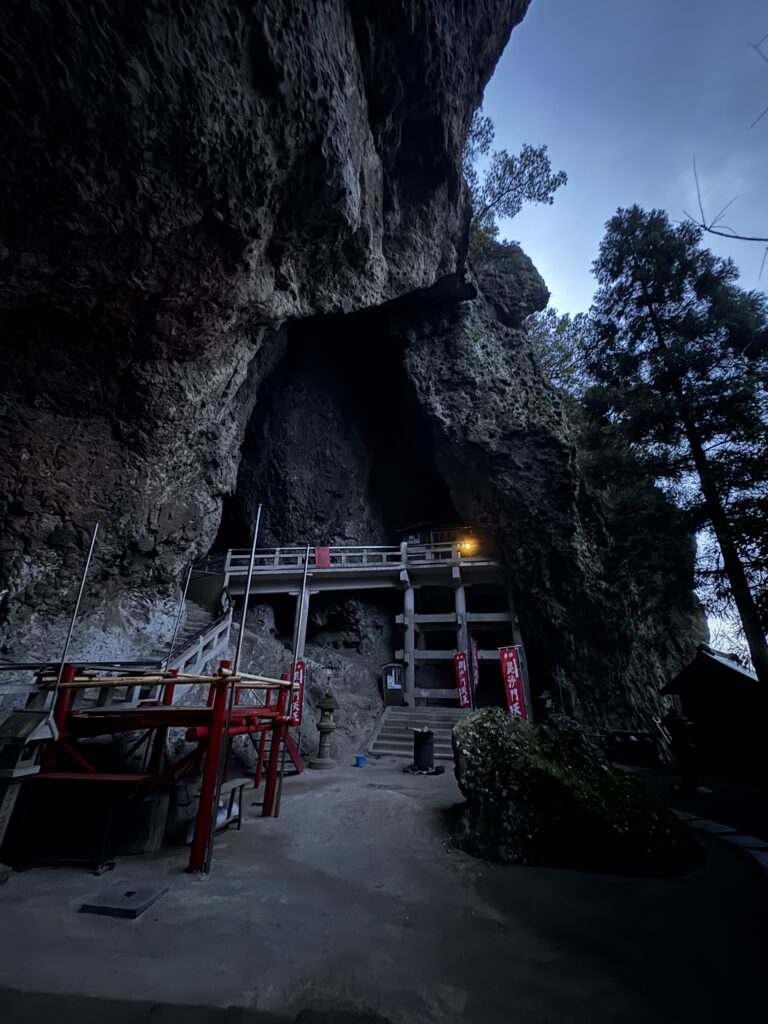
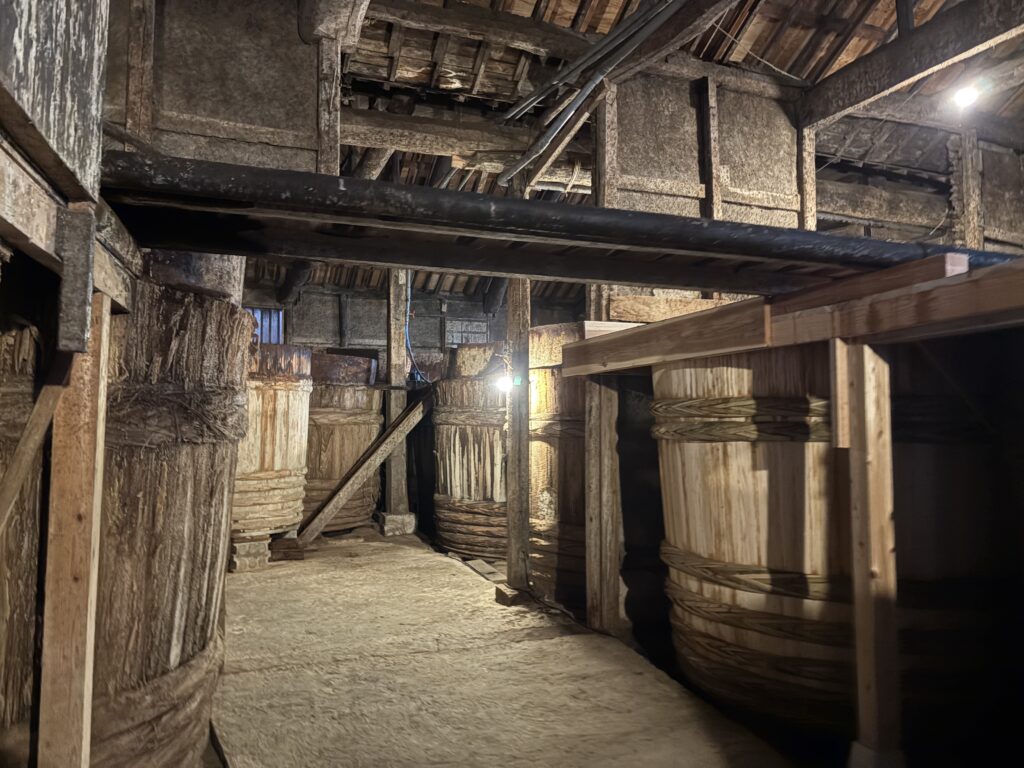
Visiting temples, walking through soy sauce breweries, and eating simple local food felt like part of the climbing trip, not a break from it.
Highly recommended on rest days:
Shodoshima 88 Temple Pilgrimage
Soy sauce brewery visits
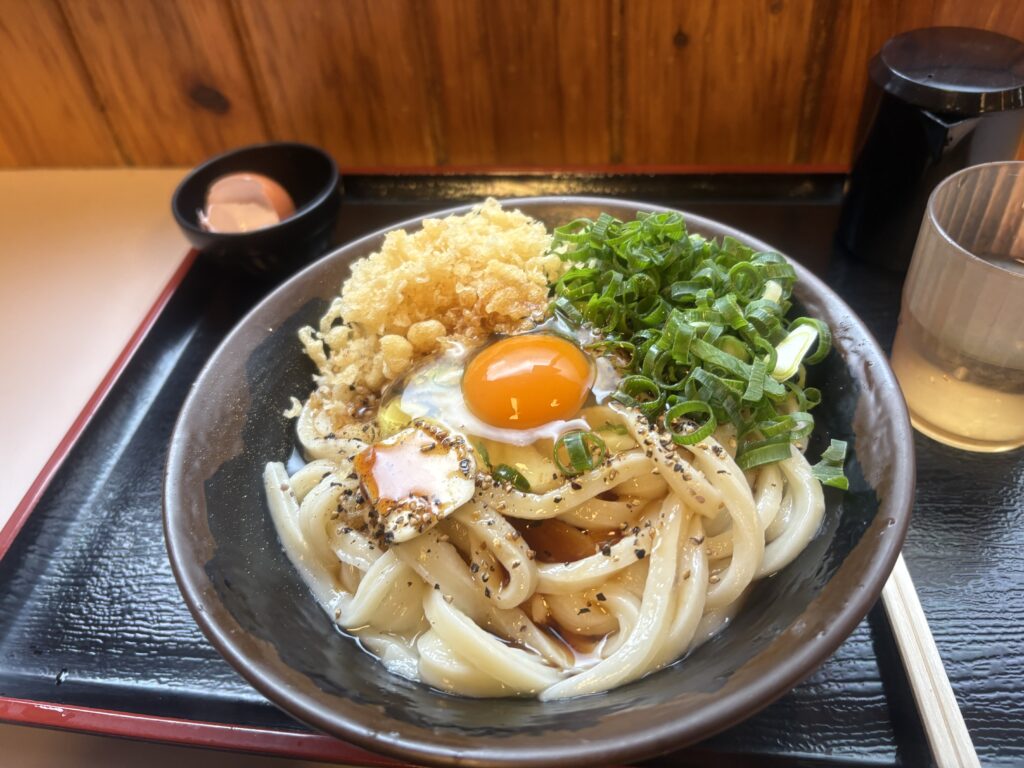
Off the island:
Udon tour in Takamatsu
Teshima Island
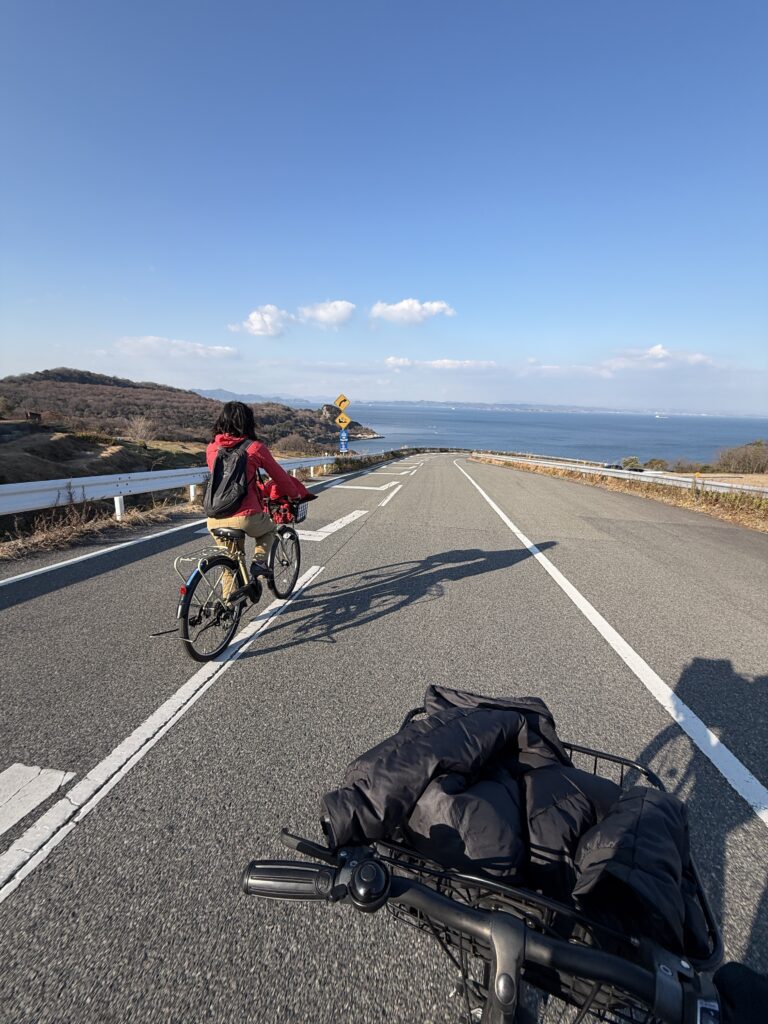
Details are covered in the overview article.
11.Food & Supplies
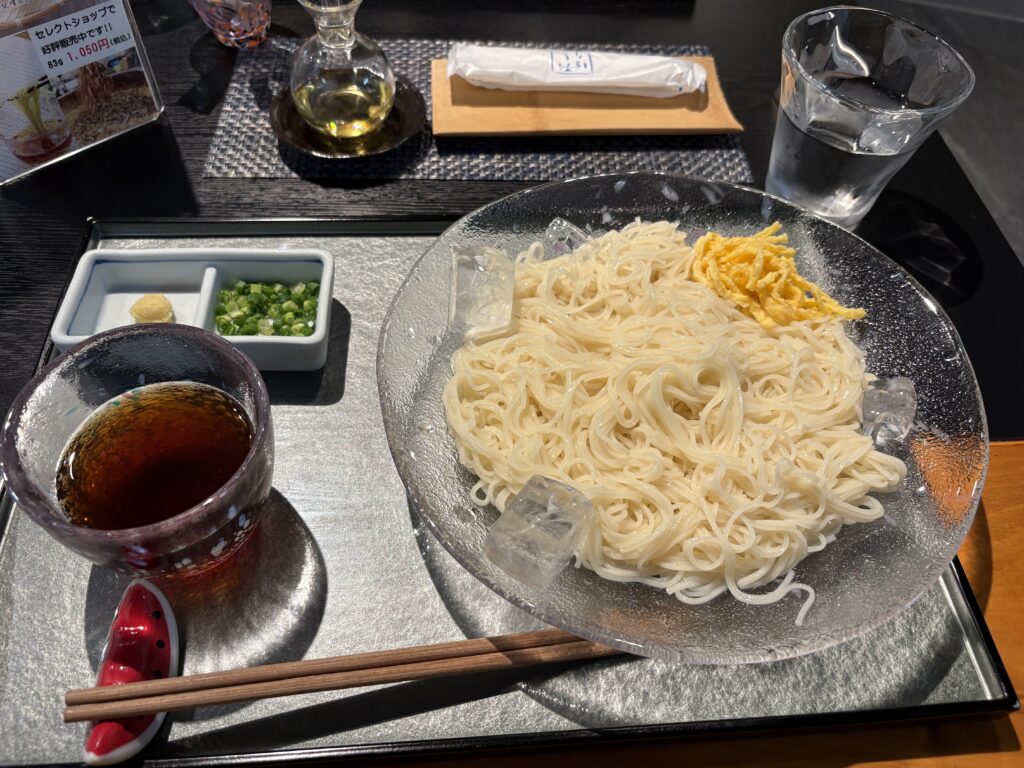
Local specialties:
Somen noodles
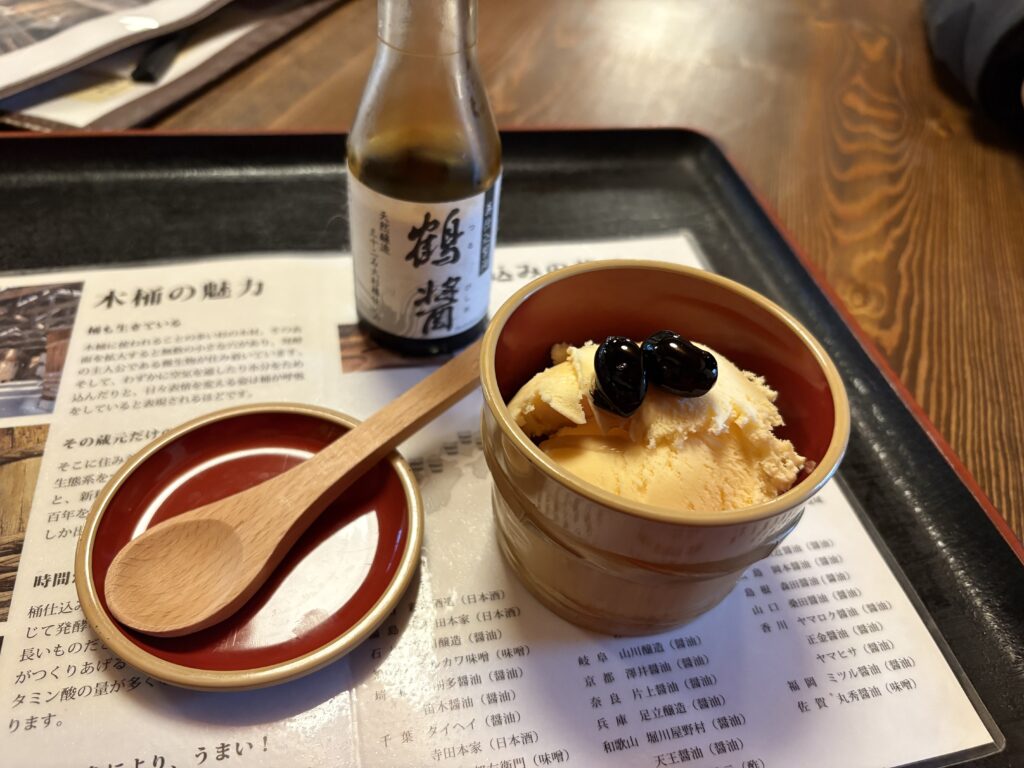
Soy sauce
Tsukudani
(Details are covered in the overview article.)
Supermarkets:
No shops near the crag.
Closest areas: Uchinomi (closer than Tonosho)
Recommended:
Maruyoshi Center (local)
Marunaka (AEON chain)
12.Accommodation
・Yoshida Campground
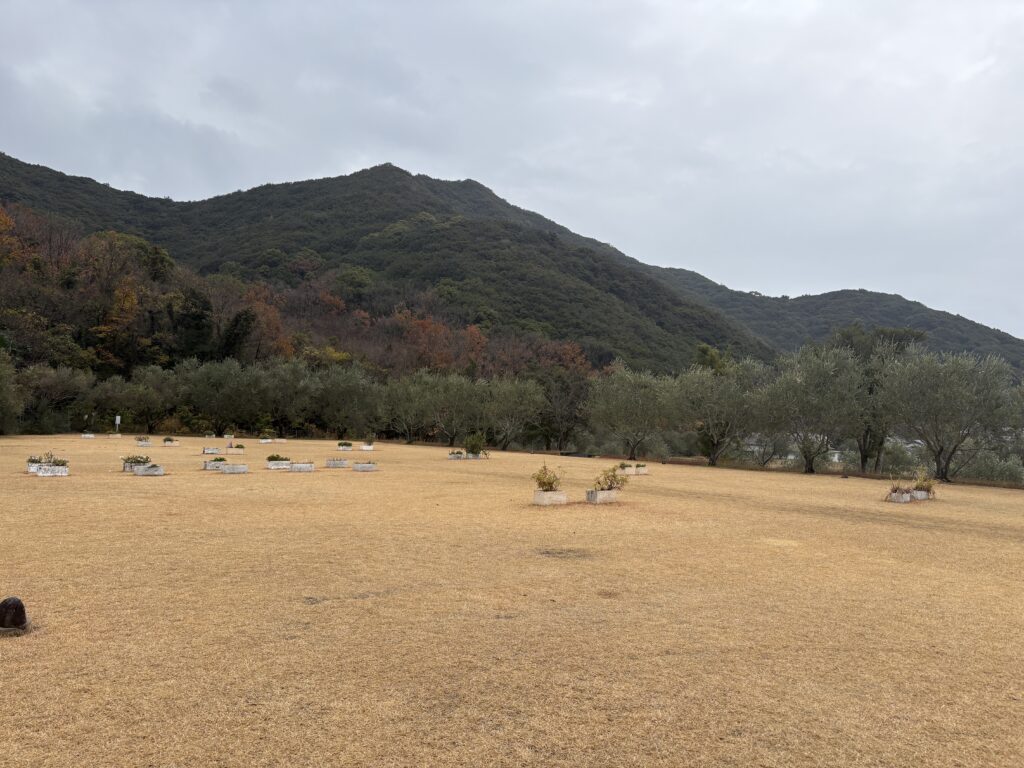
Best base for climbers.
Close to the crag, with hot springs — simply ideal.
・Nishinoie Shodoshima (traditional ryokan)
It’s a special trip — sometimes you want to stay somewhere nice.
If you do, I recommend choosing a traditional Japanese ryokan rather than a standard hotel.

西の家 nishinoie 小豆島
Agoda
・Olivean Shodoshima Sunset Hill Hotel
Ocean-view rooms and an excellent sunset onsen.

Olivean Shodoshima Sunset Hill Hotel
Agoda
13.Important Notes
・No fires or cooking at the crag
・Smoking requires extreme care
・Use toilets at Auto Village YOSHIDA
・Respect local farms and property
・This is a natural crag — climb responsibly
This article focused on Yoshida Crag, the main climbing area on Shodoshima.
For a general overview of Shodoshima climbing and other areas, see the previous article.
For climbers who want to experience both climbing and the local culture of a place, Shodoshima is a truly special destination.
As someone who shares the same love for climbing, I truly hope you’ll come and experience climbing in Japan for yourself. I wrote this not only to introduce the rock, but also to share the culture, food, and the richness of time that this island offers.
I have been fortunate to travel to many countries on climbing trips, where I was helped by local climbers and communities and gifted with unforgettable experiences. Writing this article is my small way of giving something back.
I hope this guide helps make your climbing trip smoother, deeper, and more meaningful – and that Shodoshima becomes a place you’ll remember long after you leave.
For more climbing areas accross Japan, Check below links