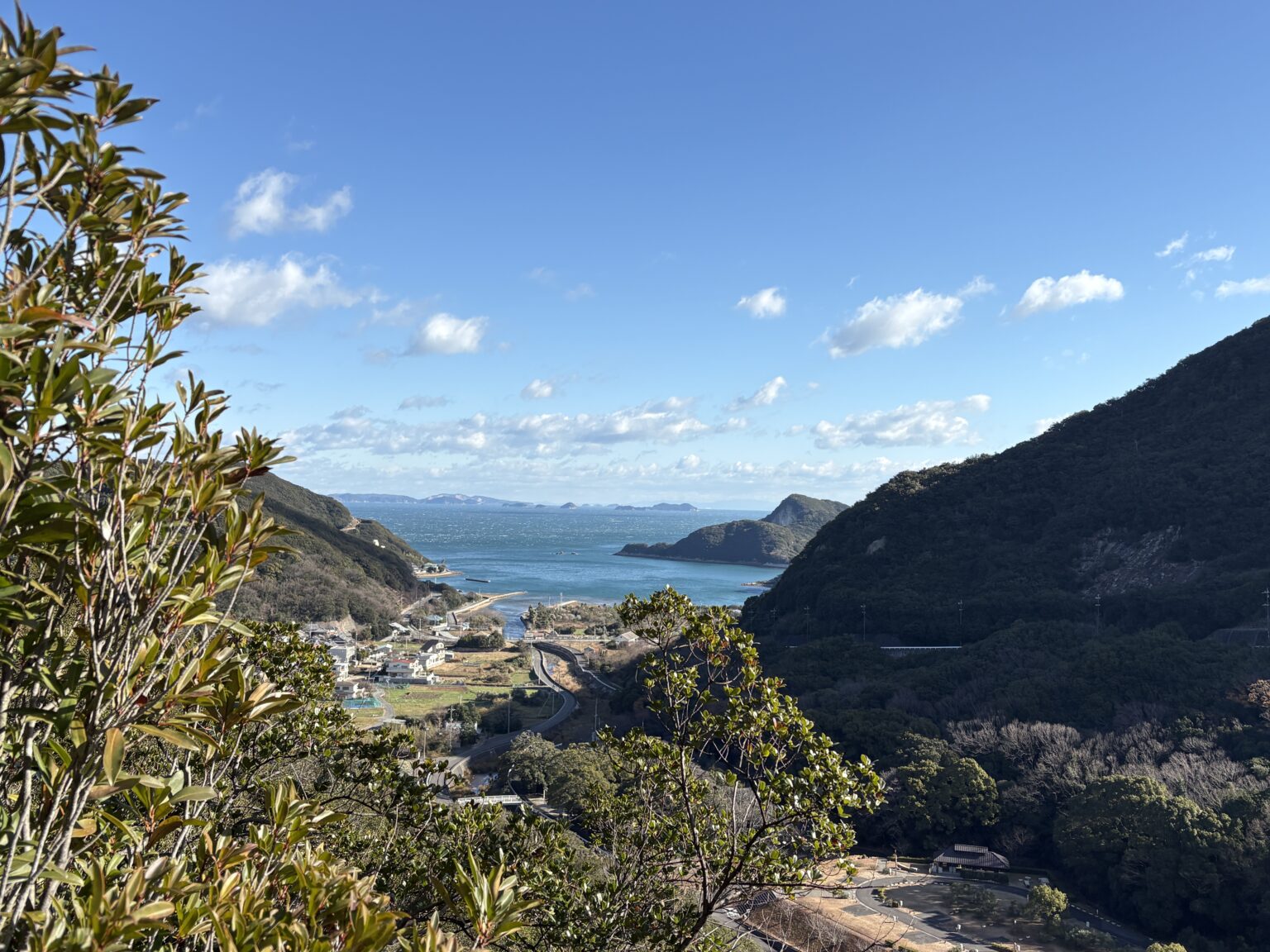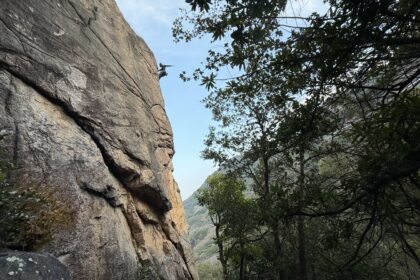
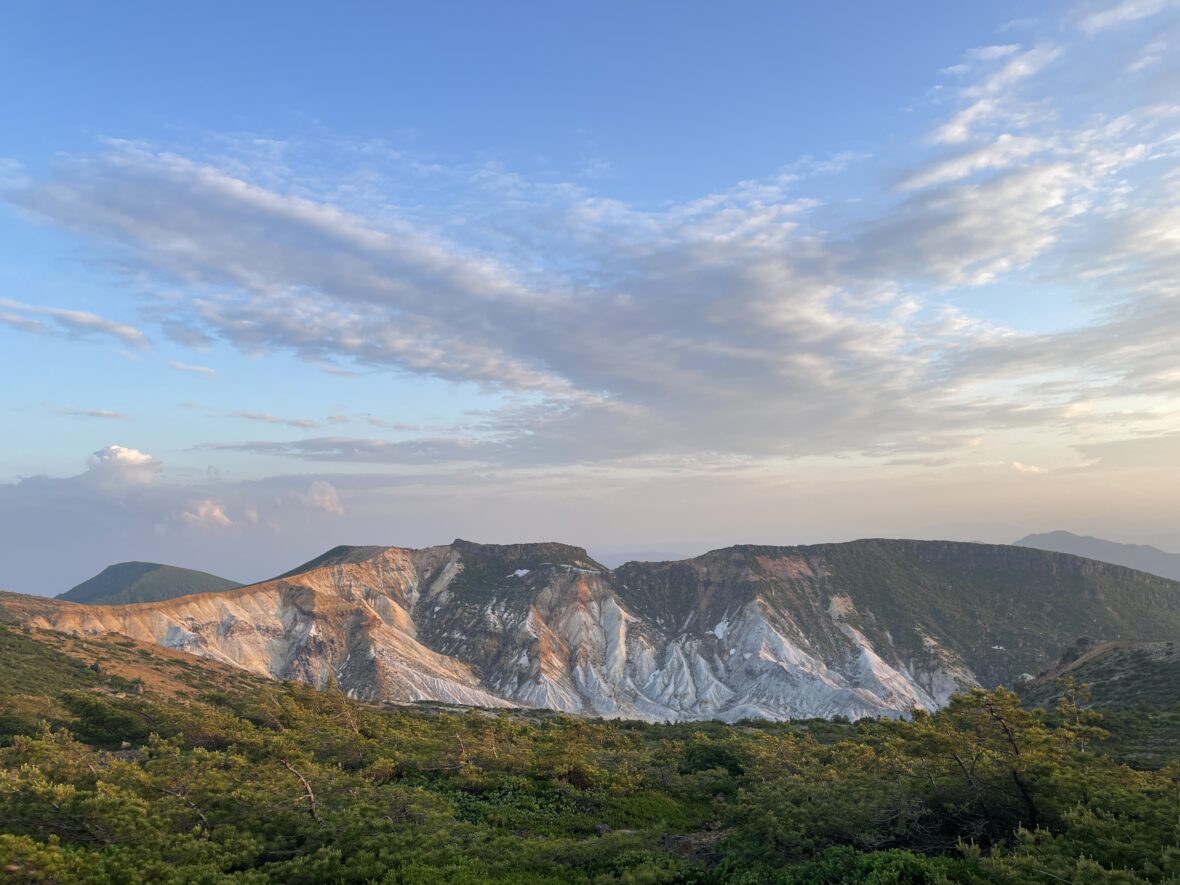
Japan is home to about 7% of the world’s active volcanoes. This country is, without question, a volcanic nation.
I’ve hiked across many volcanic regions throughout Japan, and every time I felt the same thing:
Volcanoes here are not just mountains — they are the roots of our culture.

You’ve probably heard the word “onsen” (hot spring). That culture exists because of volcanoes.
Japan’s many wetlands are also shaped by volcanic activity.
Mountain worship, one of Japan’s oldest spiritual traditions, has long revered mountains themselves as sacred beings. The mountain I’m introducing here has also been an object of devotion since ancient times.
In other words, much of Japan’s nature, culture, and even spirituality is deeply connected to volcanoes.
If you visit Japan, you shouldn’t leave without experiencing them.
In this article, I’ll introduce five volcanoes that define Japan, along with the food, culture, and experiences each region offers.
Contents.
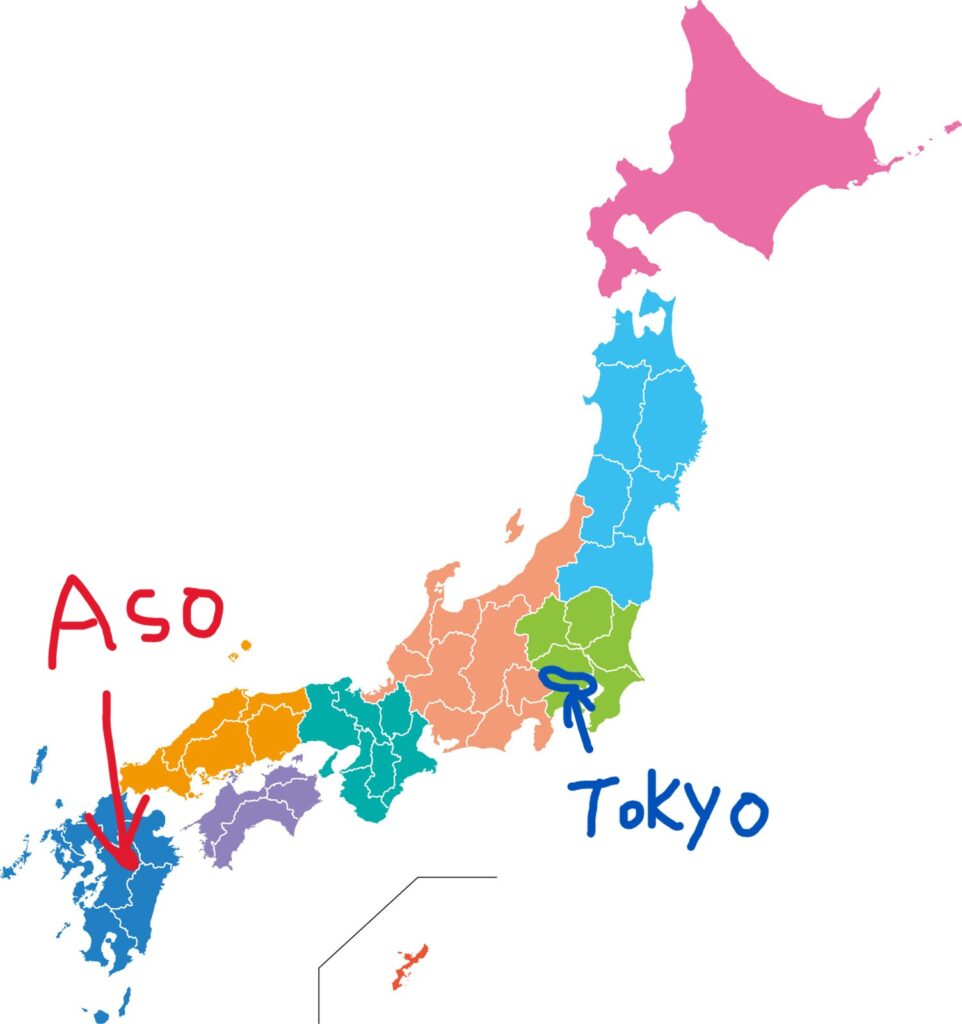
1.Mount Aso (Kumamoto) The Ultimate Volcano Experience
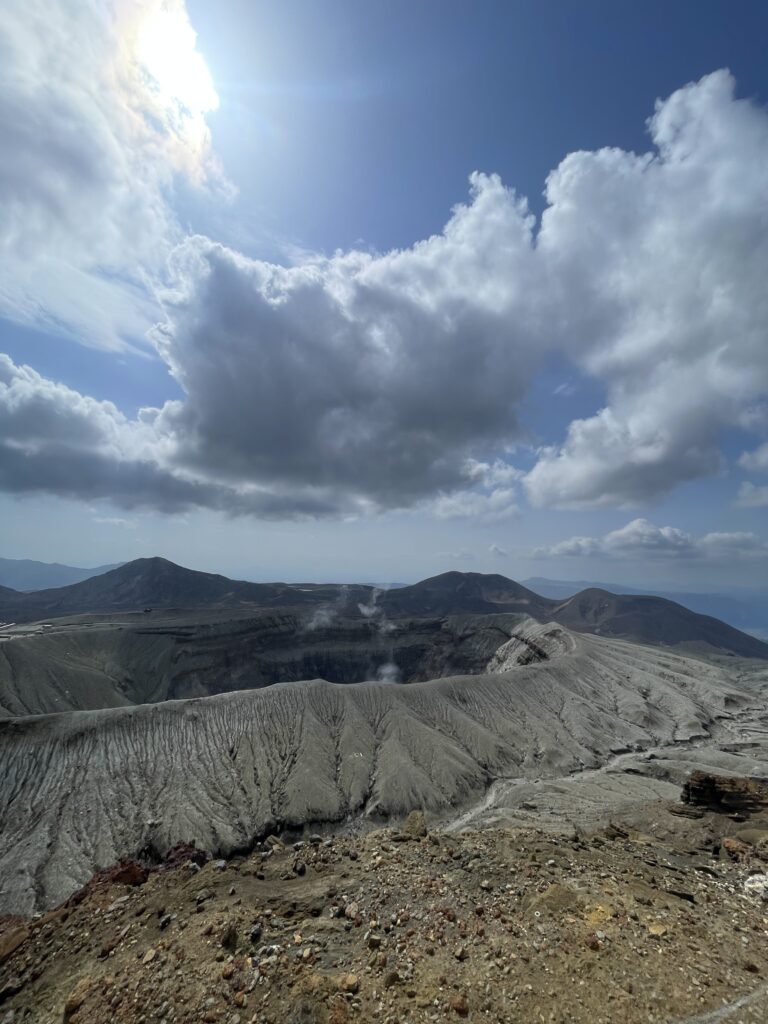
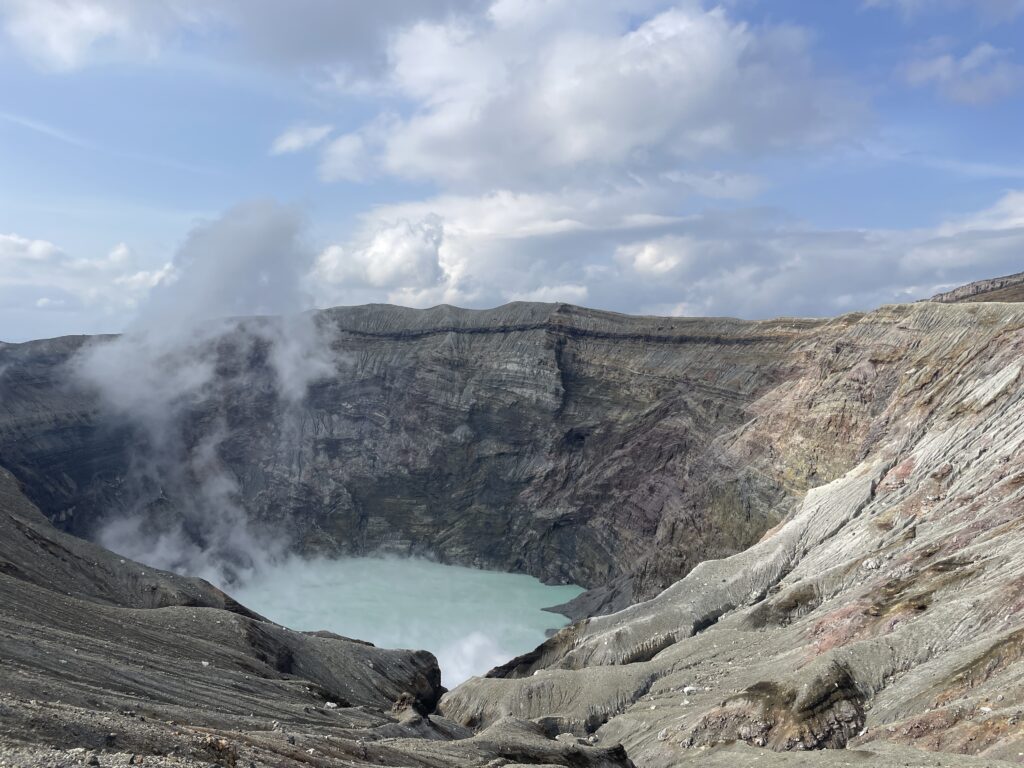
Located in Kyushu (southwestern Japan), Mount Aso features one of the largest calderas in the world and an actively erupting crater.
Kumamoto is called “The Land of Fire” because of Aso.
Why I Recommend It
Because everything here feels next level.
Otherworldly landscapes, rich culture shaped by volcanoes, incredible food — Aso delivers on all fronts.
It’s also family-friendly and very popular as a travel destination.
Access requires flying, but it’s absolutely worth it.
Volcanic Landscape: ★★★★★
Culture: ★★★★★
Travel Experience: ★★★★★
Food: ★★★★★
Access: ★★☆☆☆
Highlights
1. “THE Volcano” – Landscapes from Another Planet
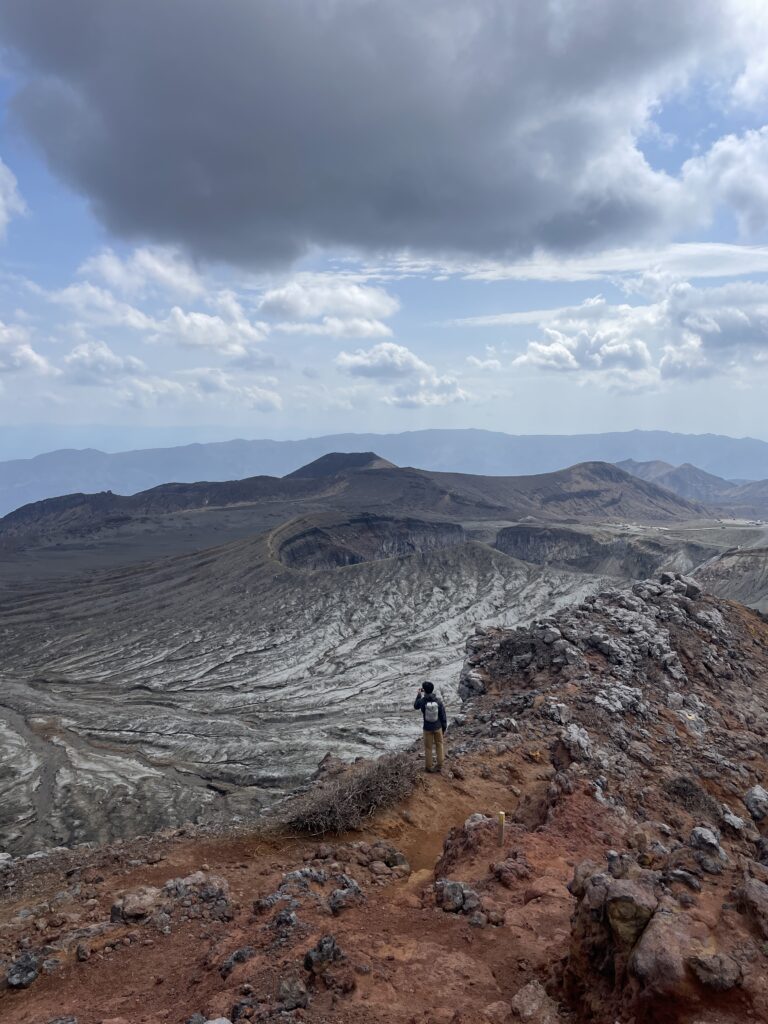
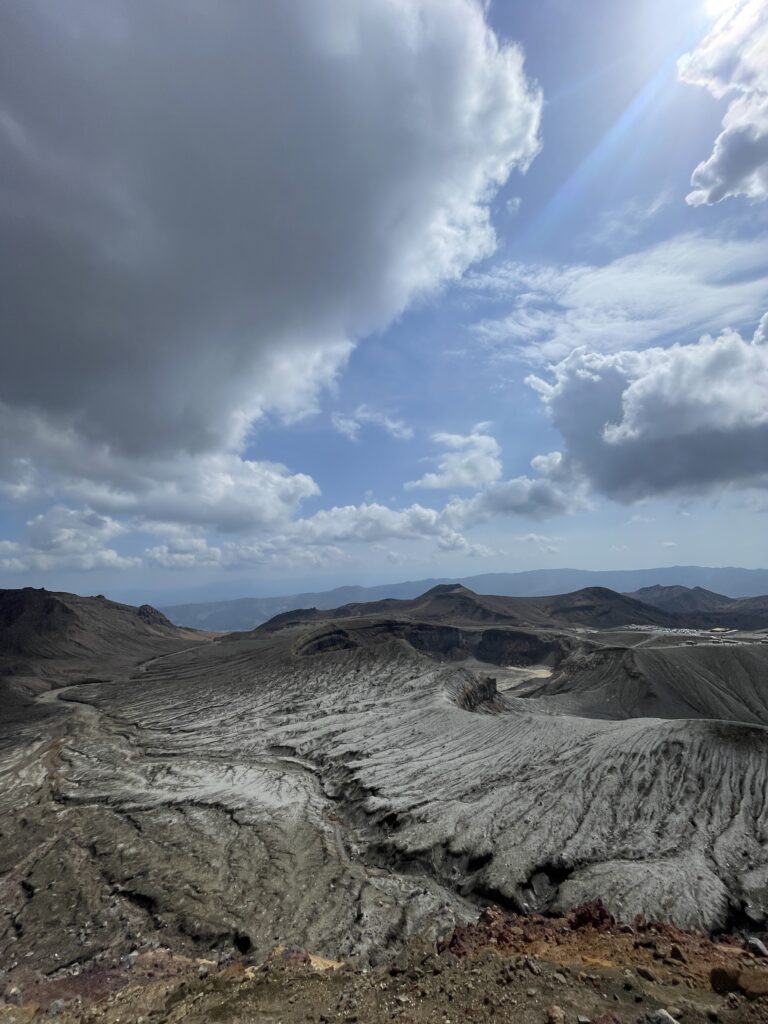
One of Aso’s active peaks, Naka-dake, allows you to approach the crater by road. You can witness thick white smoke rising violently from the earth.
But since I’m recommending it — it’s more than just a tourist stop.
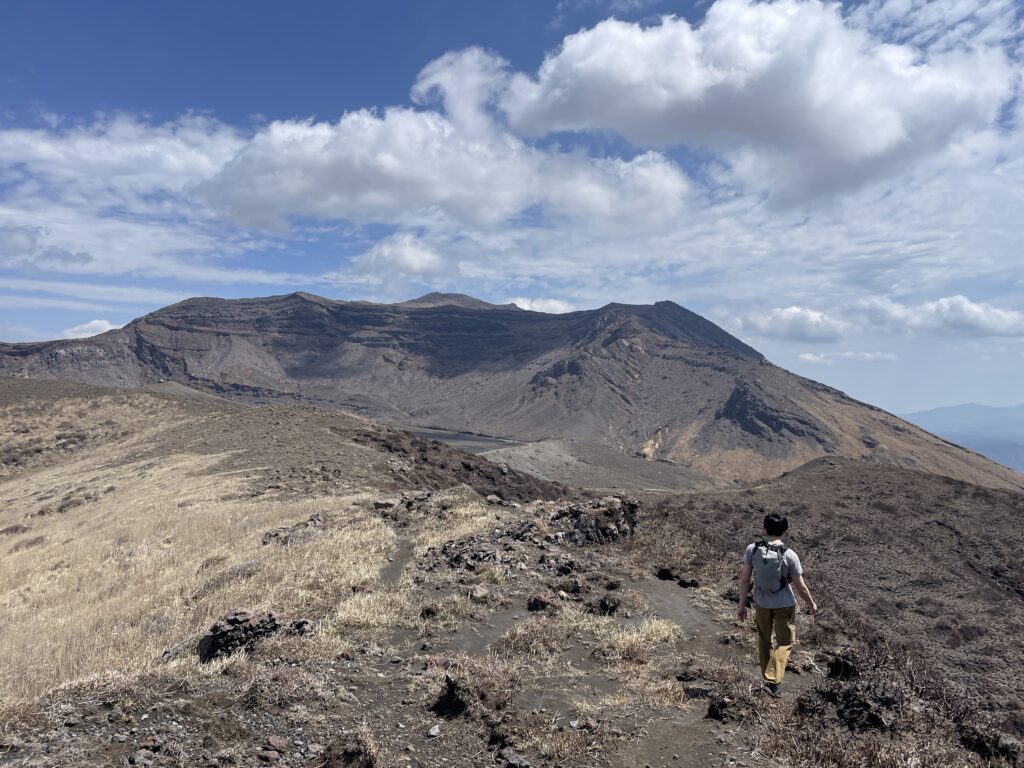
From Naka-dake to Taka-dake, you can hike across Sunasenri, a vast black volcanic plain with almost no vegetation.
Black sand, steaming craters, magma-scarred terrain — it feels like stepping into another world.
Few places in the world let you hike this close to an active volcano.
2. Endless Grasslands
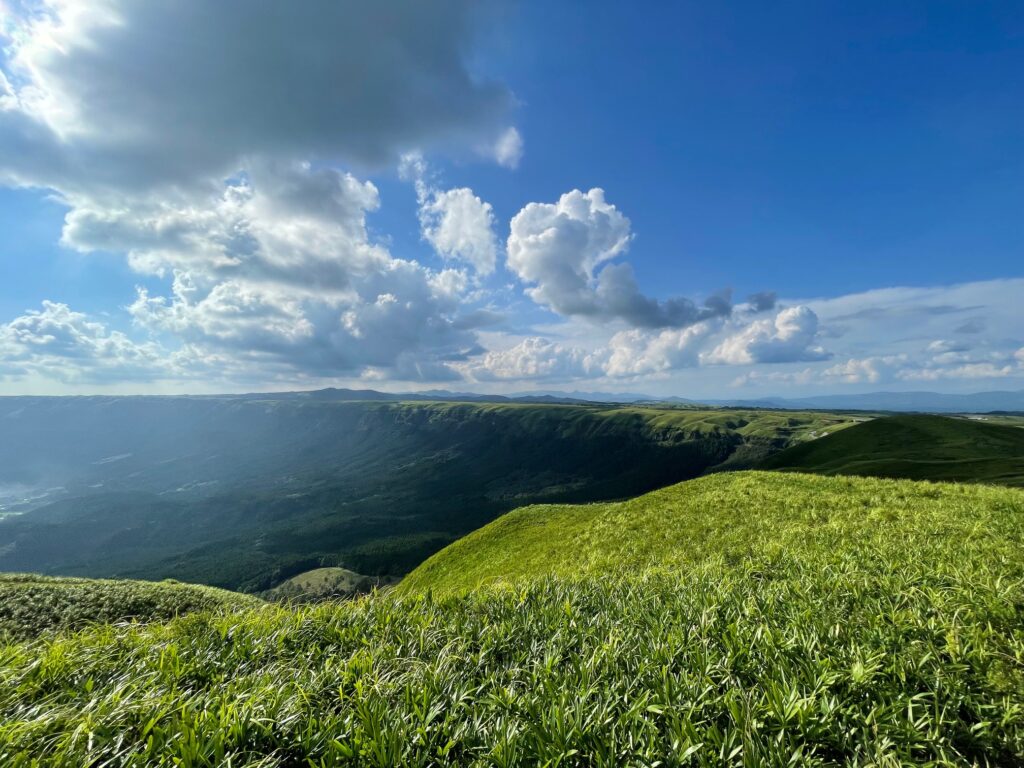
Another defining feature of Aso is its enormous caldera and wide-open grasslands.
No tall trees — just horizon and sky. It feels liberating.
You’ll see cows grazing peacefully — one of Aso’s iconic scenes. (And yes, soft-serve ice cream made from local milk is a must.)
The region’s agriculture and livestock culture, shaped by volcanic land, is recognized as a Globally Important Agricultural Heritage System.
3. Noyaki – 1,000 Years of Controlled Burning
From February to April, locals conduct controlled burns to maintain the grasslands—a tradition lasting over 1,000 years.
It’s dramatic and essential to the region’s ecosystem.
Note: The scenery looks barren right after the burn, so it’s best to visit about one month later.
Best Season
April (about one month after Noyaki) to early November.
But honestly, every season has its beauty.
Activities
・Hiking
・Trail running
If you want dramatic volcanic terrain → hike from Naka-dake to Taka-dake and continue to Higashi Crater Observatory.
Most people stop at Naka-dake crater — but Higashi Observatory is far more impressive.
If you prefer peaceful landscapes → Kishima-dake or Eboshi-dake.
If you don’t have enough time to hike two peaks, I recommend choosing Kishima-dake.
For trail running → Naka-dake to Taka-dake offers relatively runnable terrain.
Access
Closest Airport: Aso Kumamoto Airport
From Tokyo / Osaka:→ Fly to Kumamoto Airport
By Car: Kumamoto Airport → Kusasenrigahama: ~45 min
By Public Transport: Kumamoto Airport → Aso Station: ~1 hr (transfer required) → Kusasenrigahama: ~25 min by bus
Note: Renting a car makes exploring Aso much easier.
Food
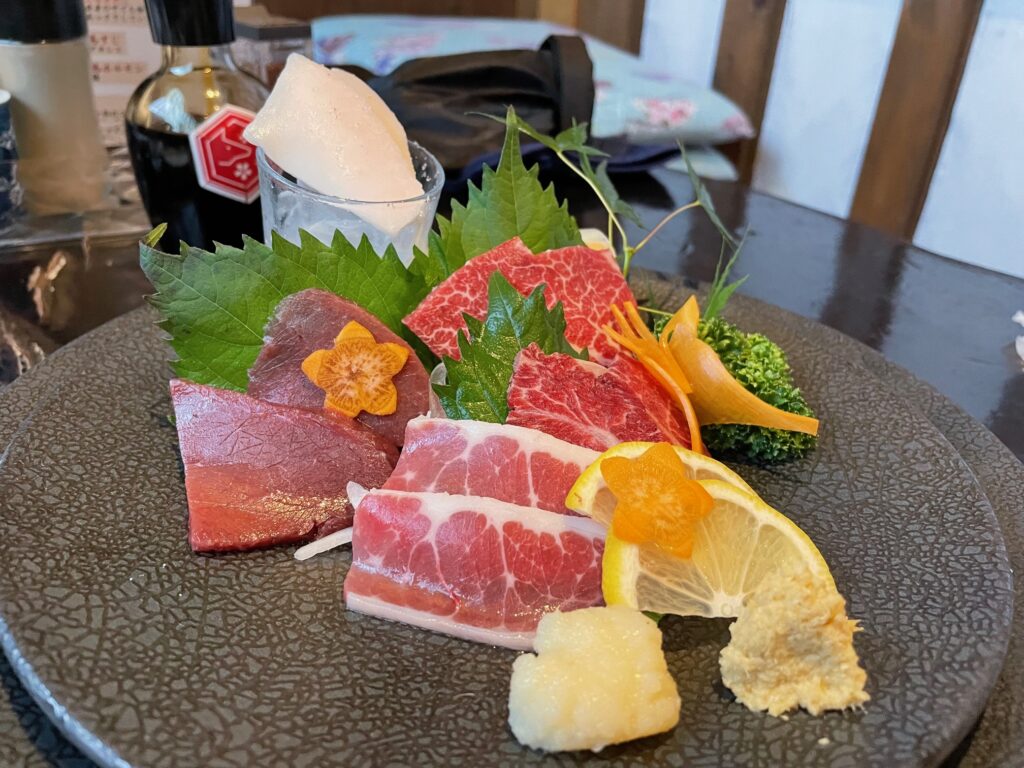
Basashi (Horse Sashimi)
Kumamoto is famous for basashi- thinly sliced raw horse meat.
While it may sound unusual to some visitors, it has been enjoyed in this region for centuries.
If you’re curious about local food culture, this is one of the most iconic dishes.
Sweet Soy Sauce (Kyushu Style)
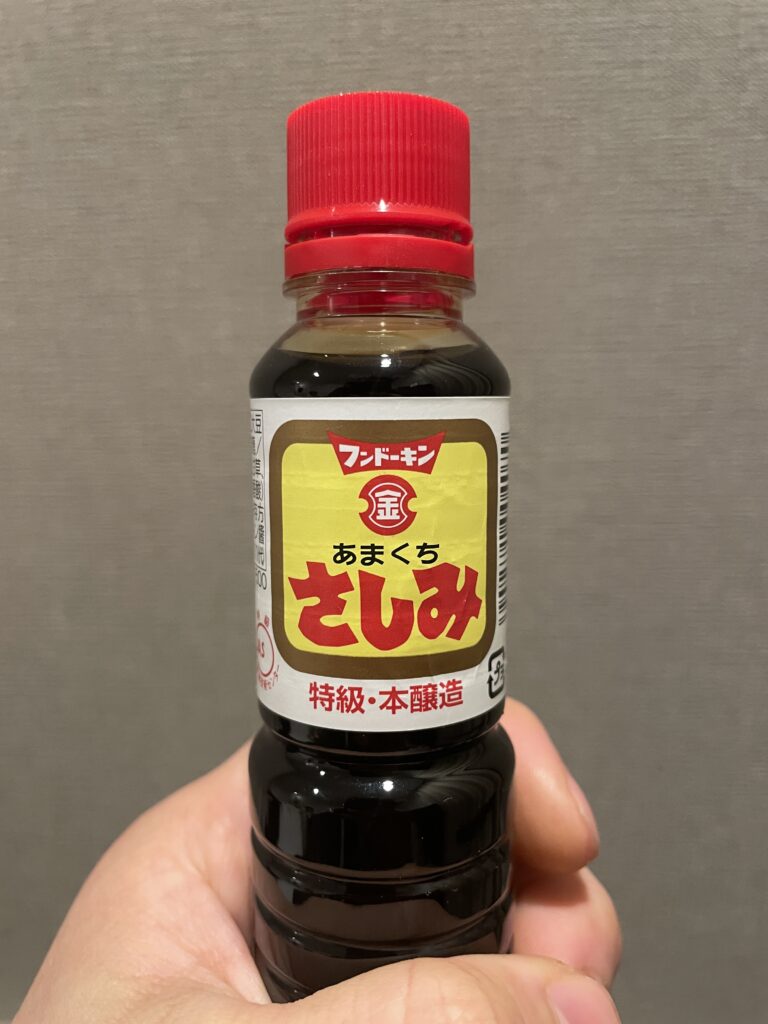
Soy sauce is essential in Japanese cuisine, but there are many varieties.
In Kyushu, soy sauce is noticeably sweeter.
It pairs especially well with sashimi. Even as a Japanese person, I remember being surprised the first time I tasted it — but somehow, it becomes addictive.
Chicken Sashimi
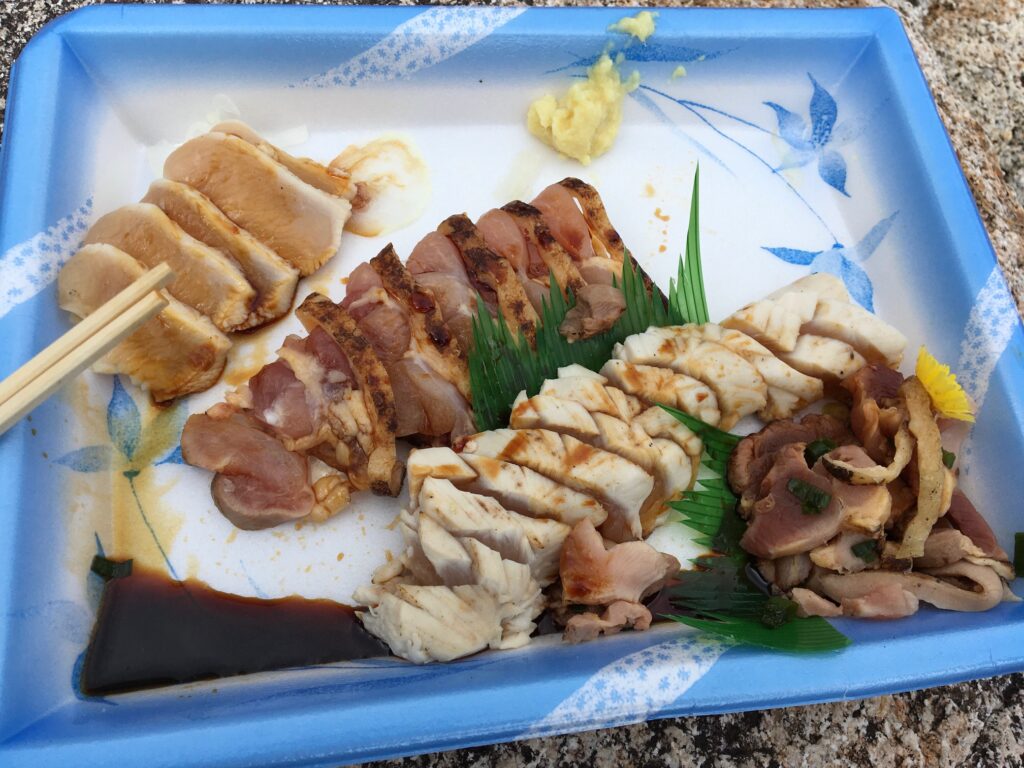
Chicken sashimi is unique to Kyushu.
You won’t find it easily in Tokyo or Osaka because freshness is everything.
It’s typically eaten with soy sauce, ginger, and garlic. It pairs very well with beer, and you can even find it in local supermarkets.
Recommended Stay
2 days for Aso alone.
But since it’s part of Aso-Kuju National Park, combine it with Kuju Mountains.
If you love mountains, plan at least a week in Kyushu.
Safety tip
Volcanic activity may restrict access to crater areas.
Please note that people with asthma or heart conditions should be extra careful and check the blue/green/red light system at the crater rim, which monitors volcanic gas levels.
Always check the latest updates: Link here.
And there are no bears living in Kyushu, so bear safety measures are not necessary.
Read the full Aso guide here.

2.Mount Kusatsu-Shirane (Gunma) Onsen × Volcano
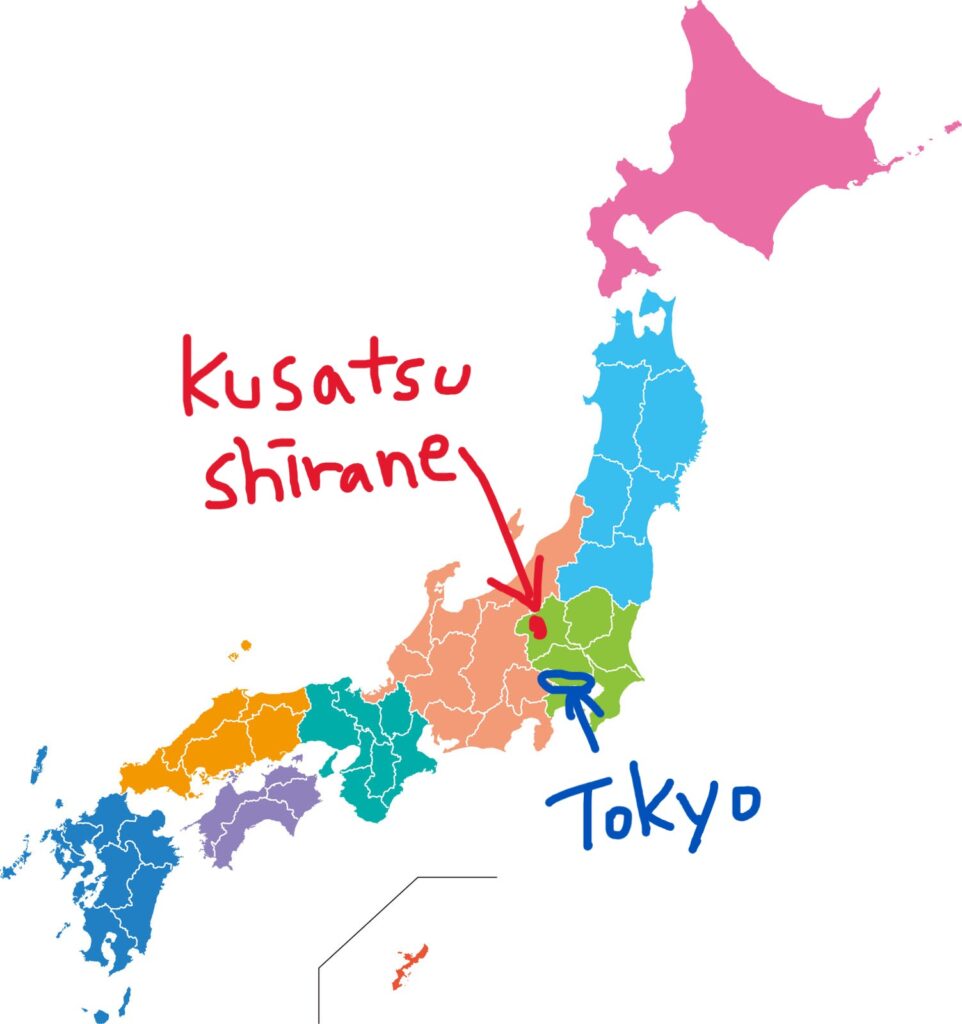
Located north of Tokyo, Kusatsu-Shirane is famous even among non-hikers — because of Kusatsu Onsen, one of Japan’s most iconic hot spring towns.
Why I Recommend It
Close to Tokyo, yet you can experience both volcano and traditional onsen culture.
Perfect if you’re short on time.
Volcanic Landscape: ★★★☆☆
Culture: ★★★☆☆
Travel Experience: ★★★☆☆
Food: ★☆☆☆☆
Access: ★★★★☆
Highlights
1. Onsen × Mountain
Many hikers climb here specifically for the post-hike hot spring.
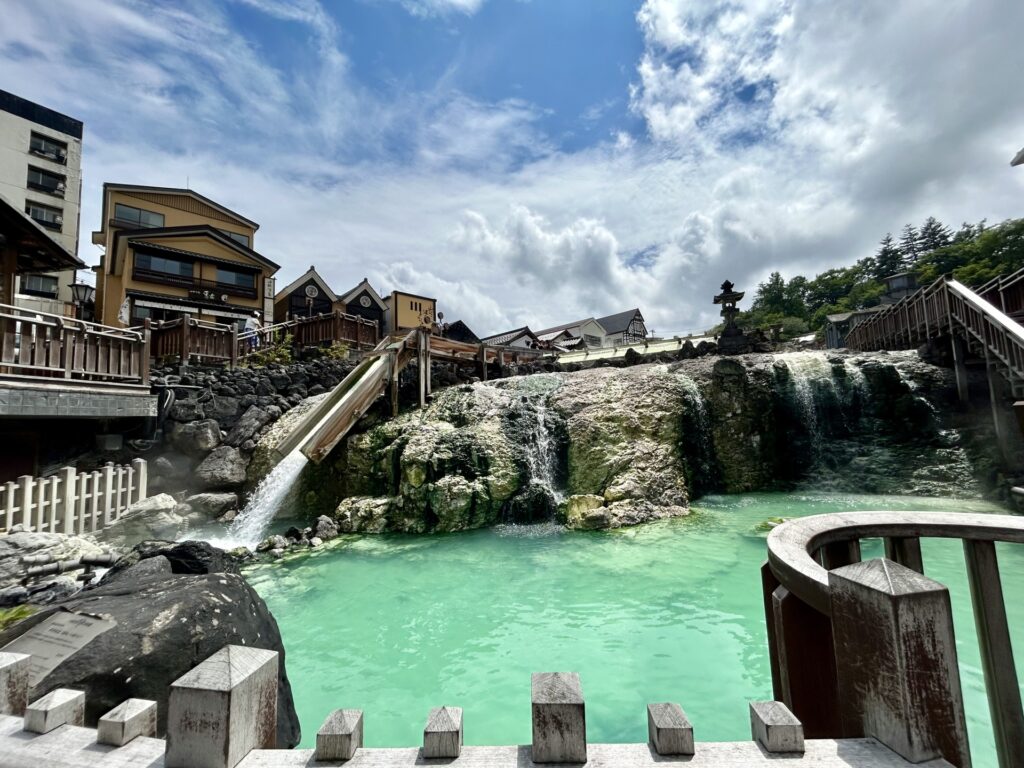
Kusatsu has the largest natural hot spring output in Japan.
The traditional Yumomi performance has continued since the Edo period.
And Yubatake (Hot Spring Field) in the center of town is the symbol of Kusatsu, a walk at night is especially great.
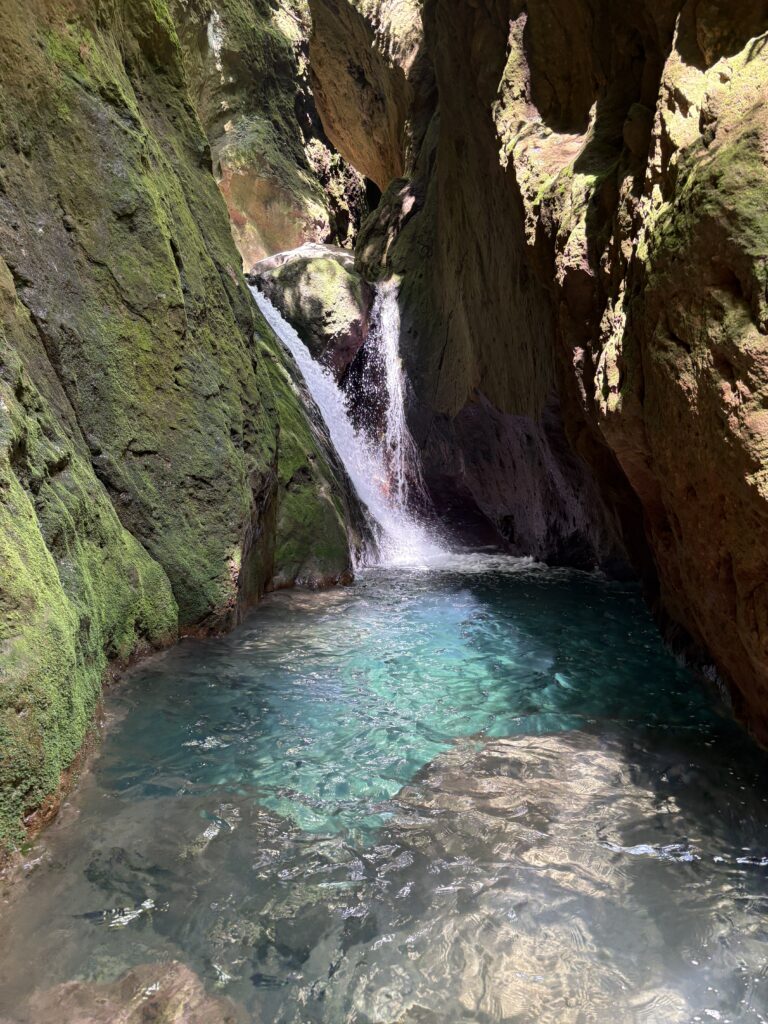
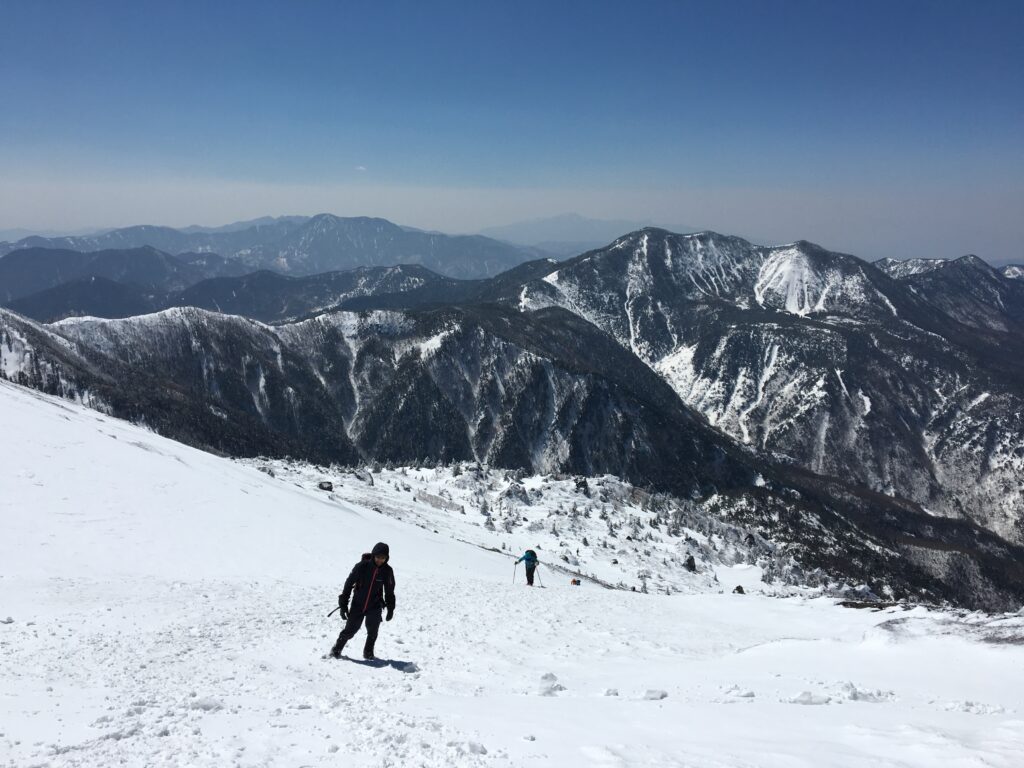
You can hike, ski in winter, try snow trekking, or even explore volcanic canyons (Sawanobori) and wild hot springs through stream climbing.
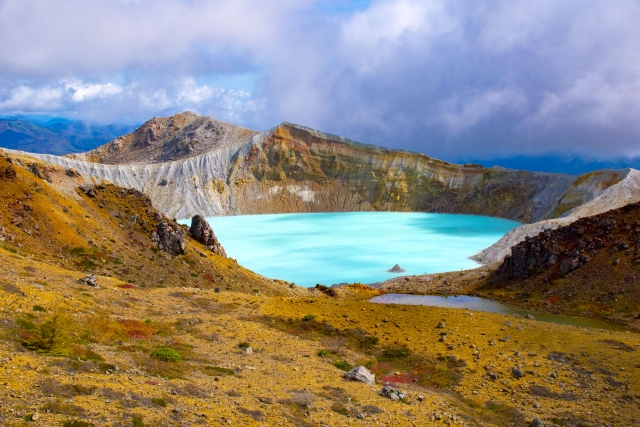
2. Yugama Crater Lake
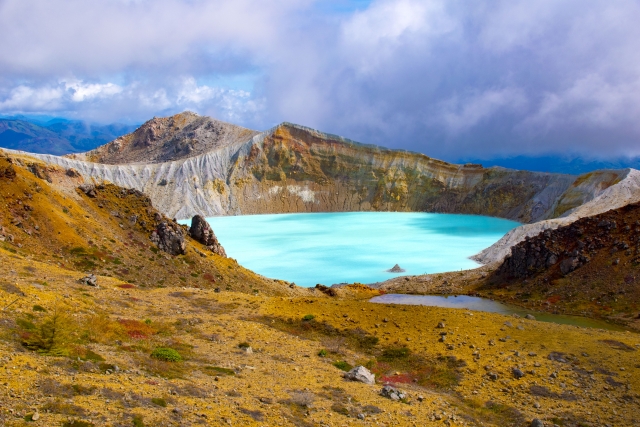
An emerald-green volcanic lake surrounded by white crater walls.
You can view it from a designated observation area.
Access is sometimes restricted due to volcanic activity — always check updates.
3. Easy Access & Flexible Routes
One of the reasons Kusatsu is so popular is its accessibility.
It’s only about three hours by car from Tokyo, and there’s even a direct highway bus from Shinjuku. You don’t need complicated logistics to get here.
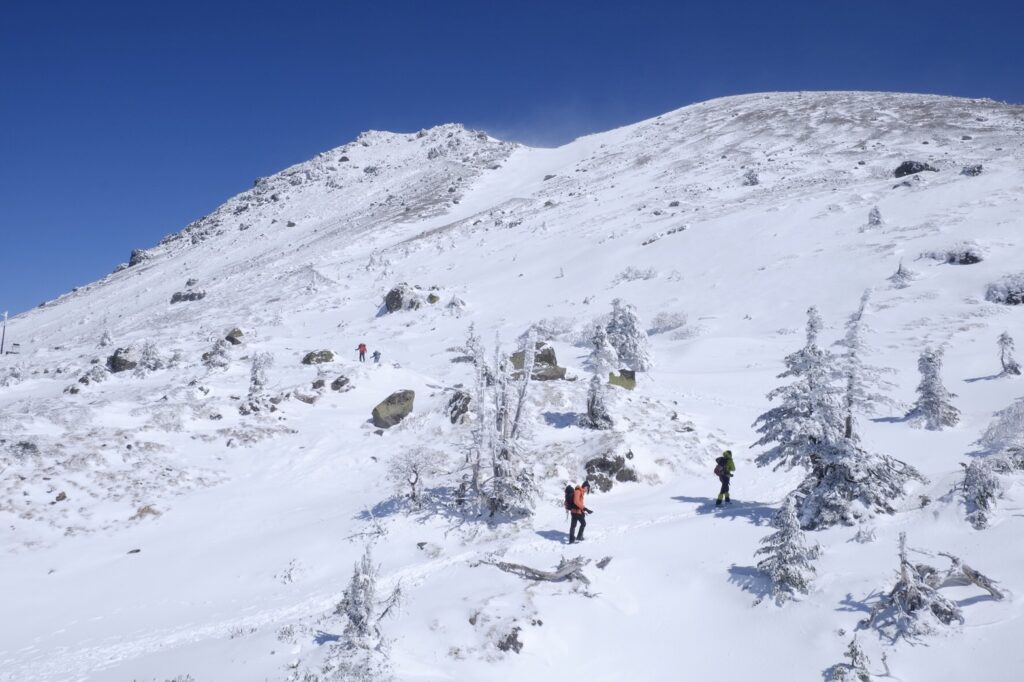
Mount Kusatsu-Shirane also offers a wide range of routes.
There are easy hiking trails accessible by ropeway, perfect for beginners and families. At the same time, there are more serious routes for experienced hikers.
You can choose depending on your level, the season, and even your mood.
Access
From Tokyo:
By Car: Tokyo → Kusatsu Onsen: ~3 hrs
By Bus: Direct highway bus from Shinjuku: ~4 hrs
From Osaka:
By Car: ~7 hrs
By Train: ~6–7 hrs (Shinkansen + local train)
Food
Konnyaku
Konnyaku is a traditional Japanese food made from konjac root.
It’s widely used in Japanese cooking, and Gunma is particularly known for it. It has very little flavor of its own but a pleasant texture.
If you have the chance, try konnyaku miso oden.
Shimonita Leek
Shimonita leek is a specialty of Gunma. It’s much thicker than regular green onions.
When cooked, it becomes very sweet. It’s delicious in hot pot, and grilled leek is also excellent.
It’s at its best in winter, when the sweetness becomes stronger.
Recommended Stay
1 night, 2 days (Onsen stay is essential).
Safety tip
Always check the latest updates: Link here.
3.Mount Adatara (Fukushima) A Divine Crater Landscape
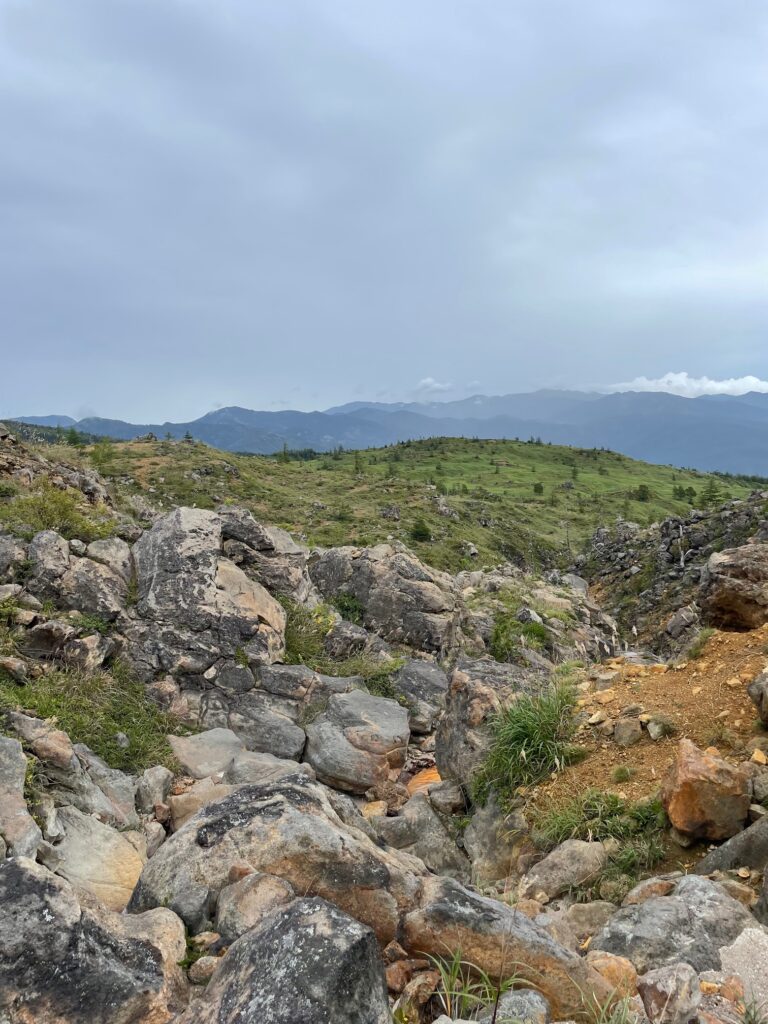
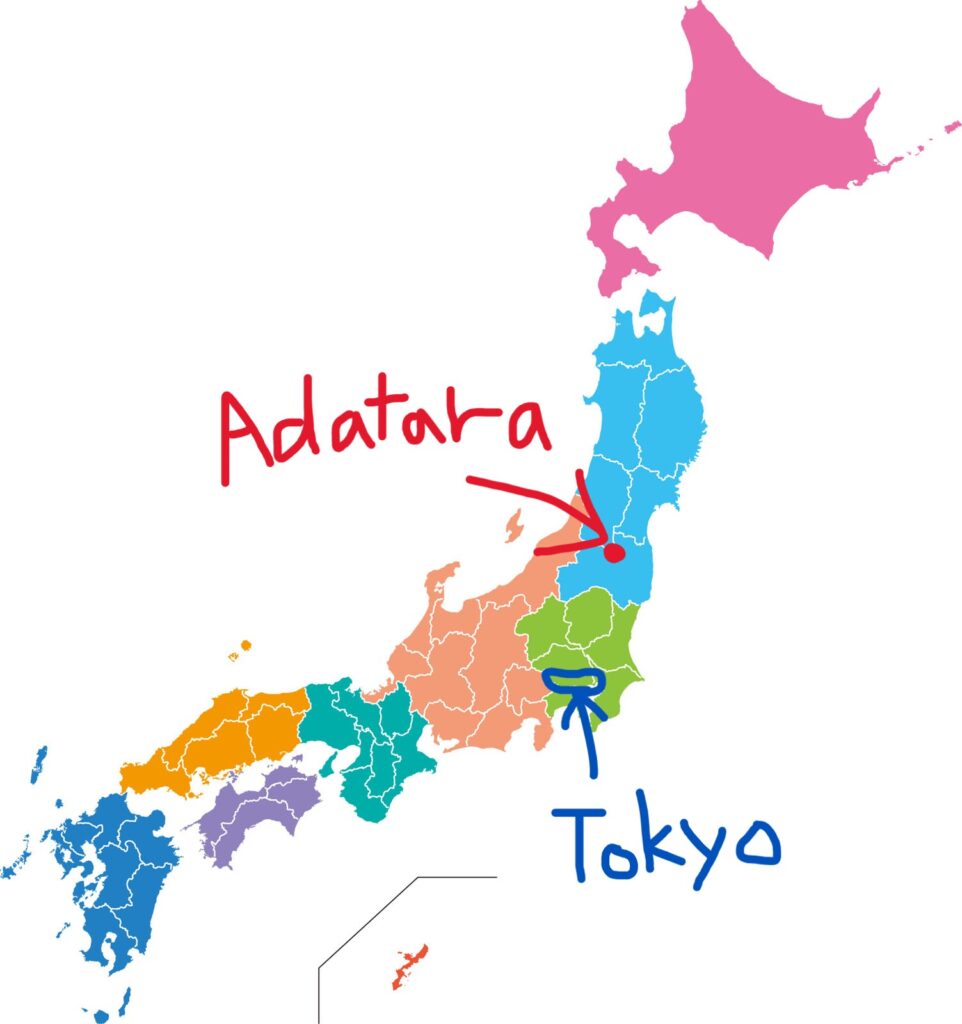
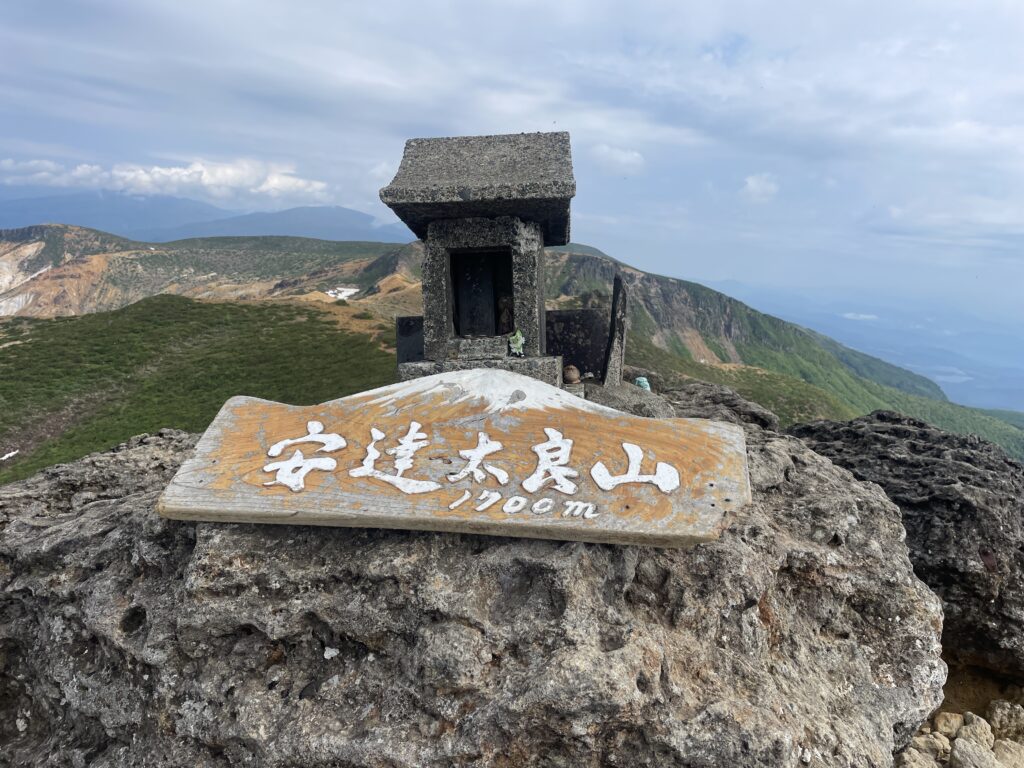
Mount Adatara is located in Fukushima Prefecture in the Tohoku region of northern Japan.
It has good access from Tokyo, and if you use the ropeway, you can reach near the summit in about 1.5 hours. This makes it ideal for beginners and families.
Why I recommend this mountain:
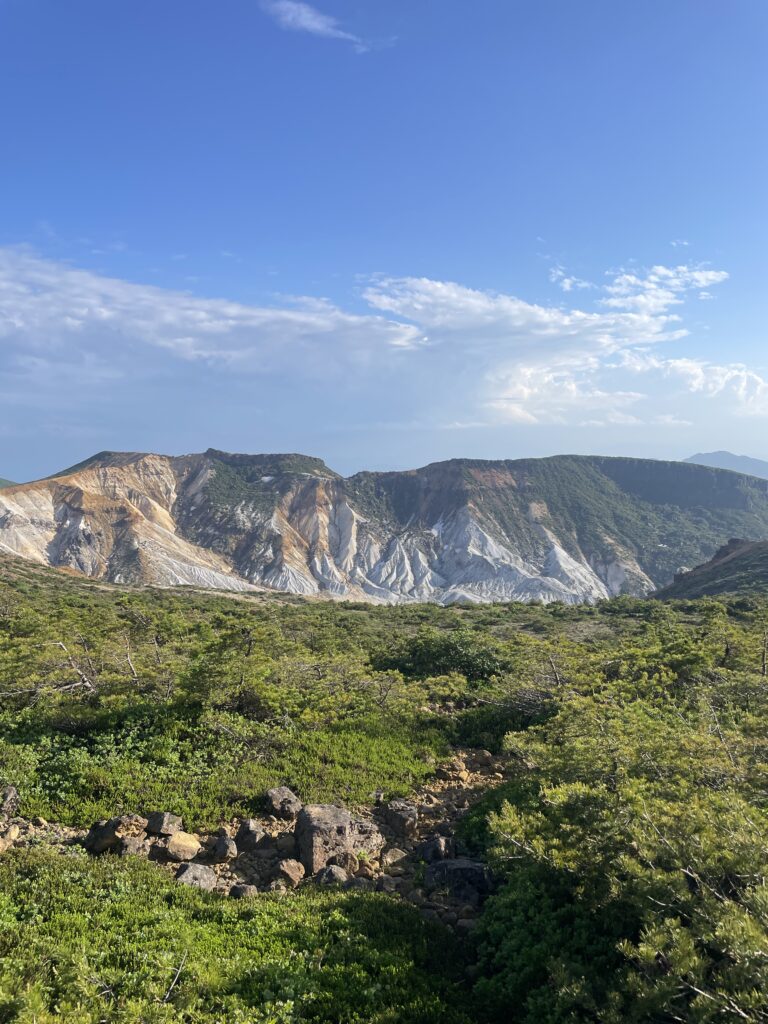
Just about 30 minutes north of Mt. Adatara, the gentle mountain scenery suddenly transforms, and the vast Numano-daira crater comes into view.
This overwhelmingly powerful view is exactly why I recommend it.
It is also enjoyable to combine Adatara with nearby mountains and hot spring towns to create a longer trail journey.
Volcanic Landscape: ★★★★★
Culture: ★★☆☆☆
Travel Experience: ★★★☆☆
Food: ★★★☆☆
Access: ★★★★☆
Highlights
1.Sacred Numano-daira
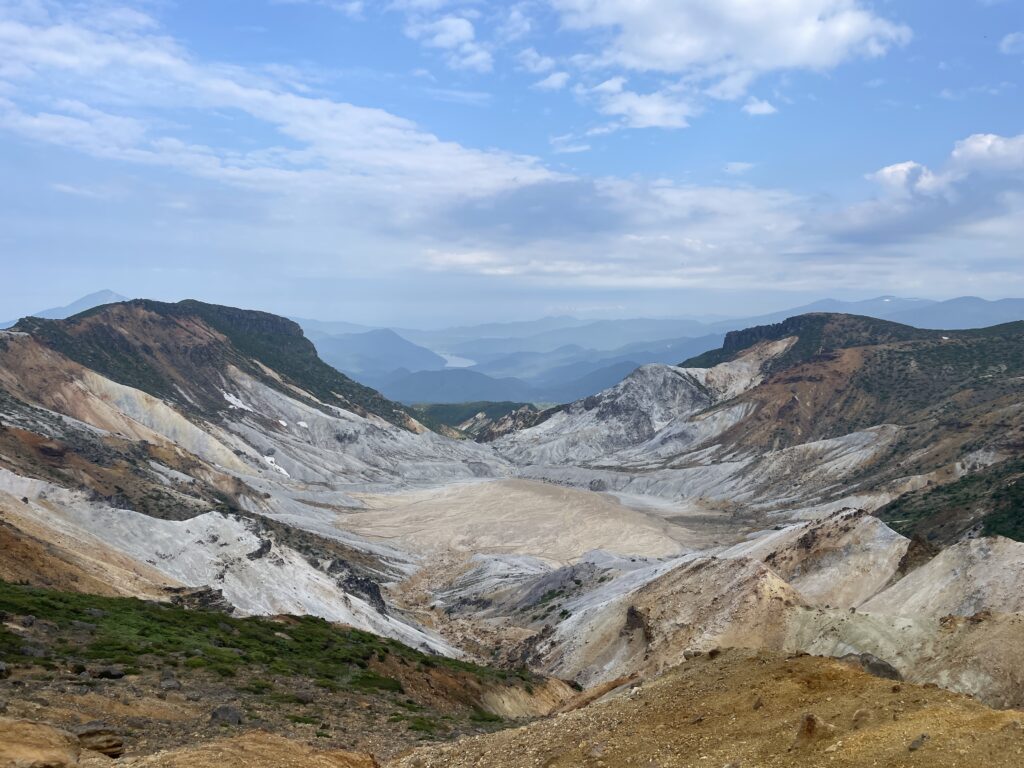
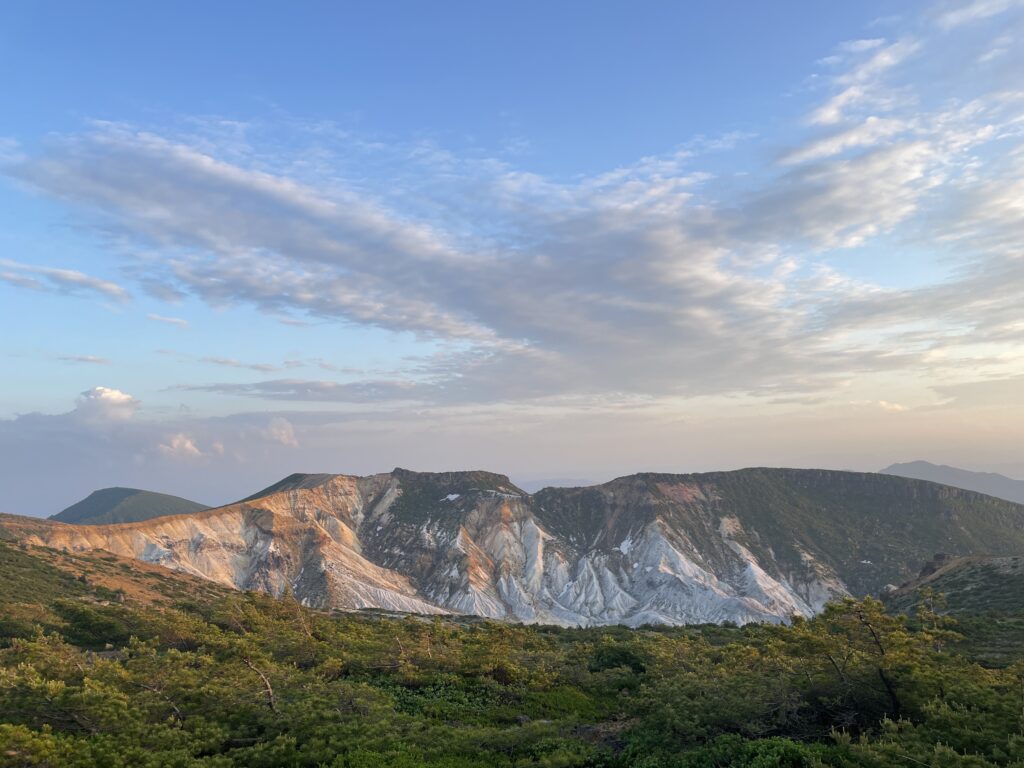
About 30 minutes north of Mount Adatara lies Numano-daira Crater, 1.2 km in diameter and 150 meters deep.
It is a vast, barren crater where the scent of sulfur drifts through the air.
While Mount Aso inspires awe, Numano-daira feels grand, beautiful, and divine.
I especially recommend the view from Tetsuzan Hut.
When I first saw Numano-daira from there, I genuinely felt it was “divine.” It looked like a magnificent folding screen painting.
The mountains glowing at sunset are stunning, and the sunrise is equally breathtaking. The barren ridgelines are striking and overwhelming.
It is worth coming to Fukushima just to witness this view.
Walking across the crater with the smell of sulfur in the wind is a truly unique experience.
2. A Journey Through Volcanoes
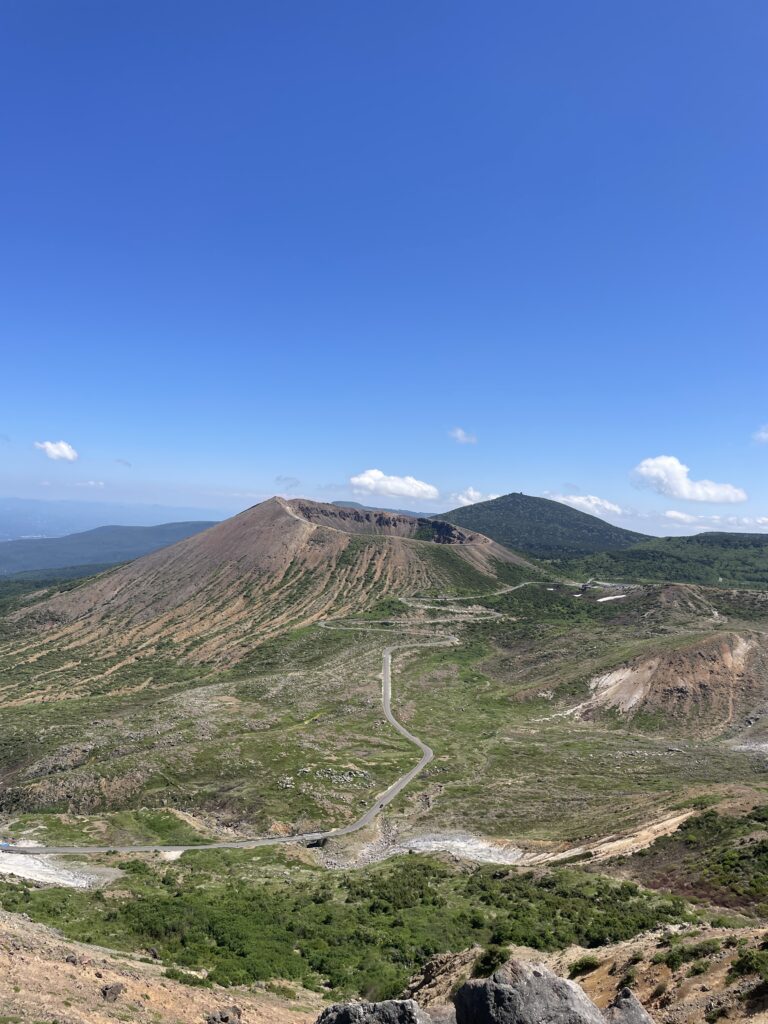
If you come to Adatara, visit the nearby volcanic mountains as well. The Azuma and Bandai volcanic groups stretch across this region.
A long trail known as the “Volcano Trail” now connects Bandai, Azuma, and Adatara, allowing hikers to explore them over several days.
The Azuma Five-Needle Pine, which grows naturally here, is so valued in the bonsai world that people say, “The model for bonsai is found on Mount Azuma.” This is why the Volcano Trail is also called the Bonsai Trail.
3. Surprisingly Good Access
Fukushima may seem far from Tokyo (I thought so too), but the Shinkansen runs frequently and it’s closer than you expect.
If you leave Tokyo in the morning, you can start hiking before noon. A bus runs to the trailhead, so you don’t need a car. There is also a hot spring town at the base, making it easy to combine hiking with an onsen trip.
Best Season
Autumn is the best season.
The contrast between the colorful leaves and the barren volcanic landscape of Numano-daira is striking.
Adatara can be enjoyed from late spring to autumn. Winter requires proper equipment and experience.
Access
From Tokyo:
By Car: ~3.5 hrs
By Public Transport: Tokyo → Adatara trailhead (Shinkansen + Bus): ~3.5 hrs
From Osaka:
By Shinkansen + bus: ~10–11 hrs
Food
Sake
Fukushima is known for its rice and clean water, which makes it a great region for sake.
There are more than 50 breweries in the prefecture, each with its own character. Trying different kinds is highly recommended.
Mamador
Mamador is a baked pastry filled with milk-flavored bean paste. It’s a classic souvenir from Fukushima.
Whenever I receive Mamador as a gift, I’m genuinely happy.
Recommended Stay
Day trip possible.
3–4 days if combining volcano traverse and hot springs.
Safety tip
Always check the latest updates: Link here.
Read the full Aso guide here.
4.Daisetsuzan (Hokkaido) – The Playground of the Gods
Called “The Playground of the Gods” by the indigenous Ainu people.
Daisetsuzan is the name of a mountain range located in central Hokkaido, the northernmost island of Japan.
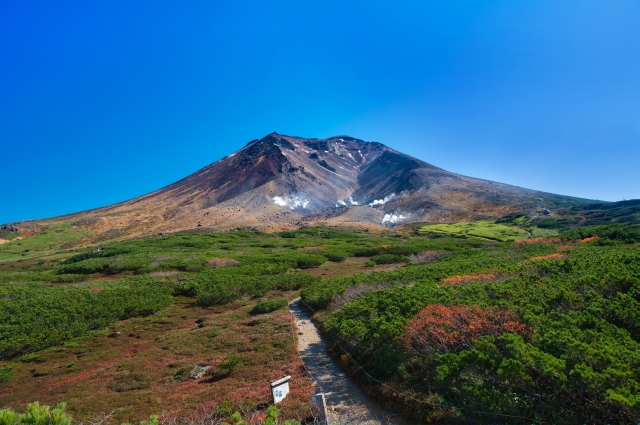
Why I recommend this mountain:
Daisetsuzan stands calm, steady, and vast.
It is also a mountain that teaches you about the harsh natural environment of Hokkaido.
And beyond the mountains, there is rich food culture and a distinct local culture.
This is where you understand why Hokkaido continues to captivate people.
Volcanic otherworldliness: ★★☆☆☆
Culture: ★★★★★
Travel: ★★★★★
Food: ★★★★★
Access: ★☆☆☆☆
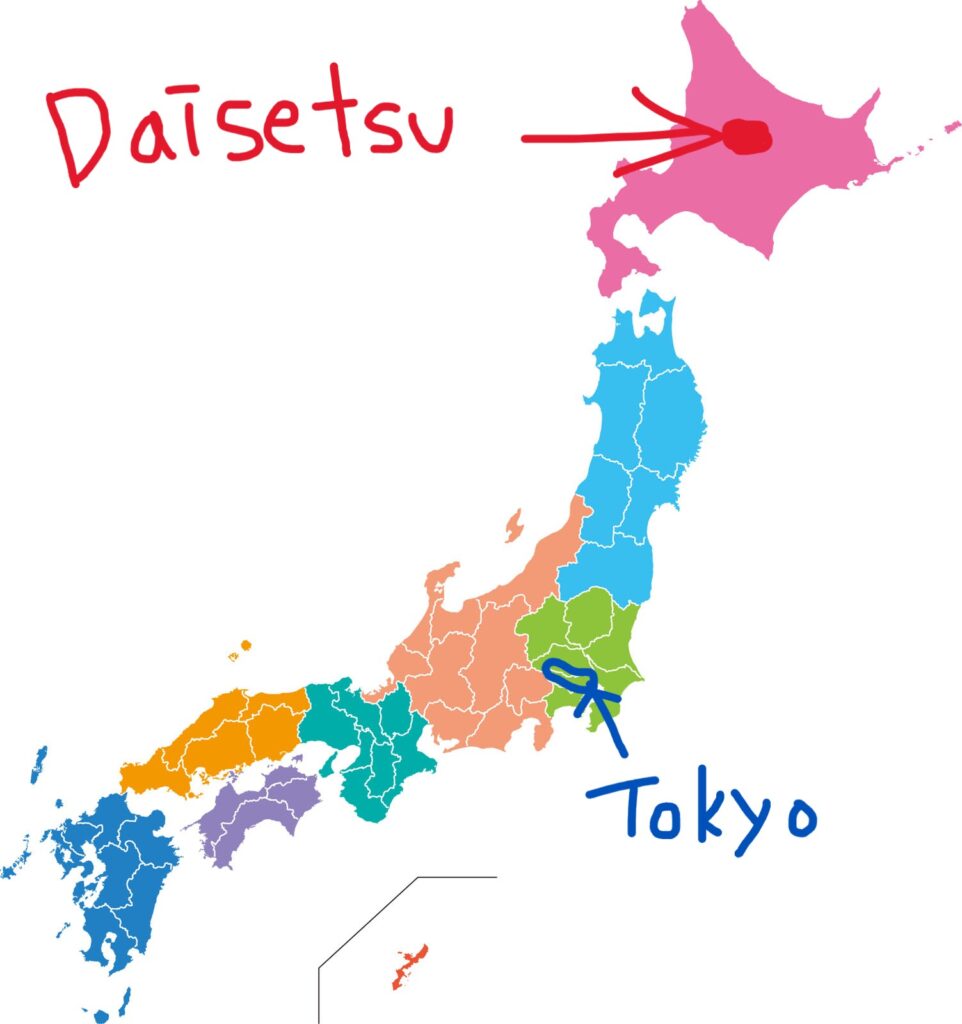
Highlights
1. Immense Scale
Daisetsuzan stretches 63 km north to south and 59 km east to west.
Its most defining feature is its immense scale. As you hike, peaks over 2,000 meters line the horizon, and the open landscape makes you feel incredibly small in the best possible way.
The terrain has relatively gentle ups and downs, making long traverses feel less like a climb and more like a journey.
Because of its size, the area never feels crowded. Daisetsuzan is well maintained, yet it still retains a strong sense of wilderness.
It is also home to wildlife found only in Hokkaido and a treasure trove of rare alpine flowers — irresistible for those who love plants.
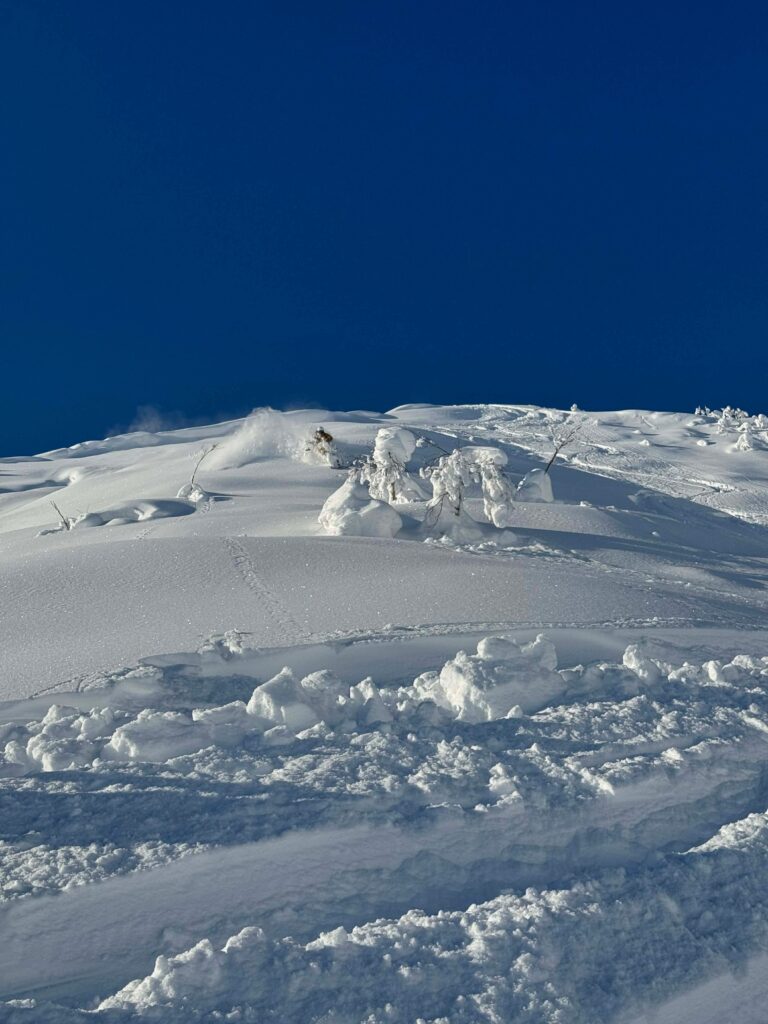
2. Endless Route Variations
Because Daisetsuzan is so expansive, there are endless ways to enjoy it.
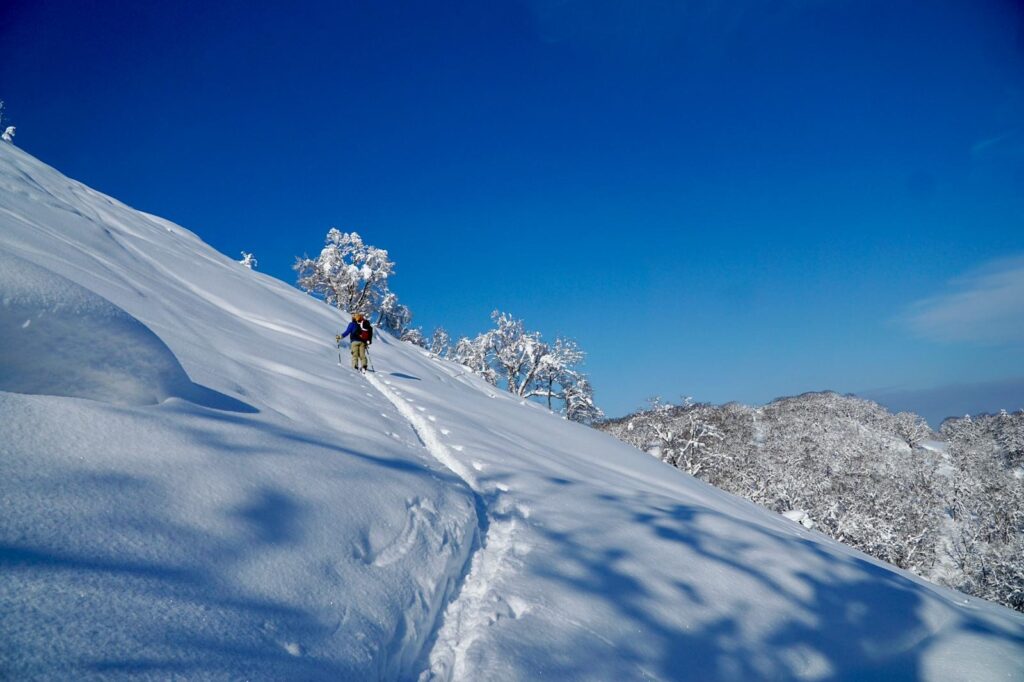
There are family-friendly day hikes using the ropeway, week-long traverses, sawanobori, climbing, and in winter, backcountry skiing.
It is a mountain with a wide embrace that allows many styles of adventure. Everyone can find something that suits them here.
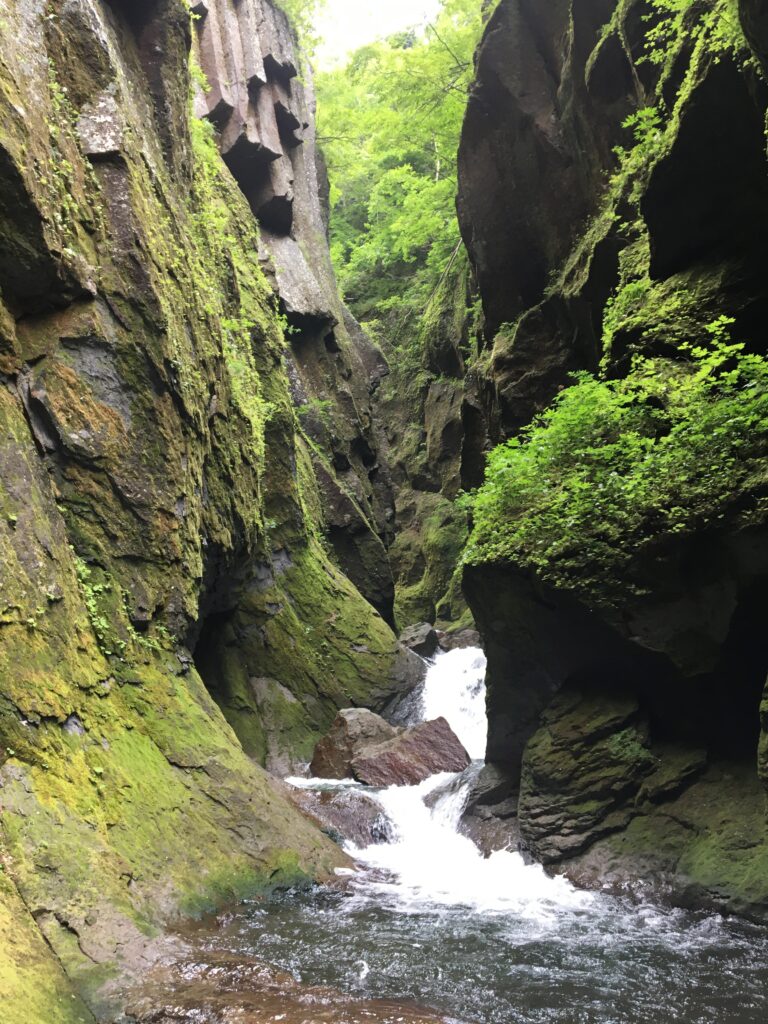
3. Unlimited Post-Hike Enjoyment
Food in Hokkaido is delicious. Truly delicious.
There is an abundance of seafood and mountain produce. Whatever you eat, it’s good.
There are also many hot springs at the foot of Daisetsuzan. You can learn about the culture and traditions of the Ainu people as well.
Even without climbing, Hokkaido offers more than full satisfaction as a travel destination.
And on top of that, you can add outdoor activities — which means you can enjoy it 1000%.
Best Season
Spring to autumn.
Daisetsuzan sees the earliest autumn colors in Japan, so keep in mind that by November, it’s already winter.
Winter offers beautiful snowy scenery, but it is suitable only for skiers and those experienced in winter mountaineering. Snow accumulates even in town, so it can be difficult for inexperienced drivers.
Access
Closest Airport: Asahikawa Airport
From Tokyo / Osaka: → Fly to Asahikawa
By Car: Asahikawa Airport → Daisetsuzan (Sounkyo area): ~50 min
By Bus: ~1 hr
Food
Sushi
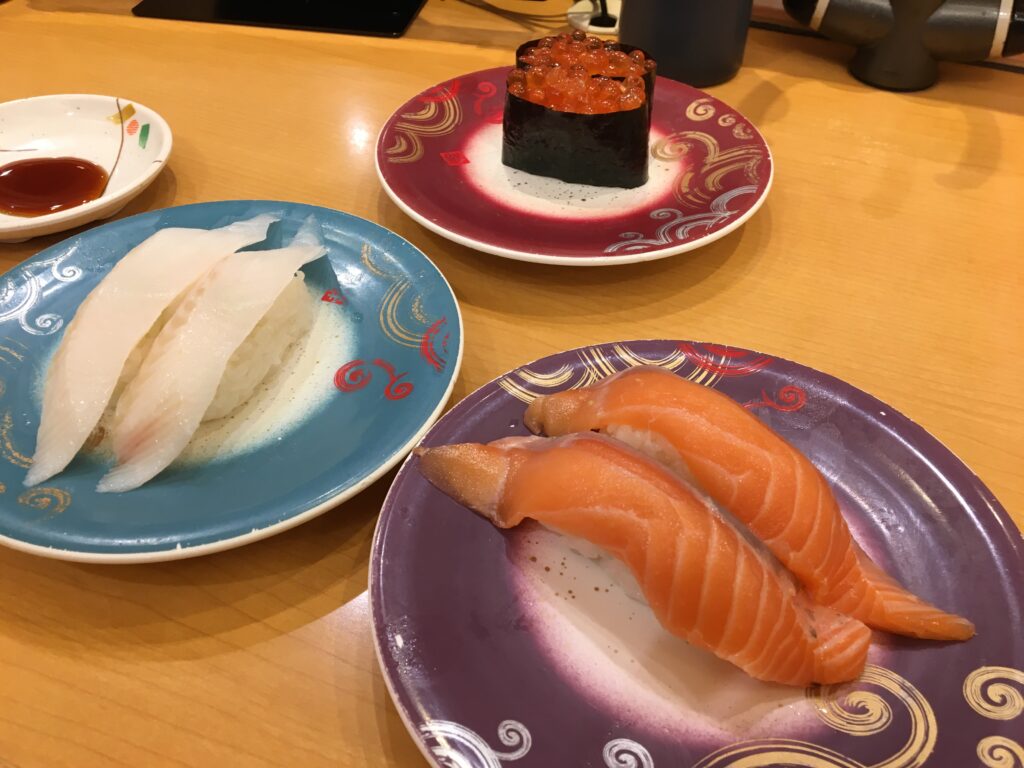
Hokkaido is famous for its seafood.
Even conveyor-belt sushi here is high quality, affordable, and satisfying.
My personal recommendation is “Toriton.”
Vegetables
Vegetables in Hokkaido are exceptionally good.
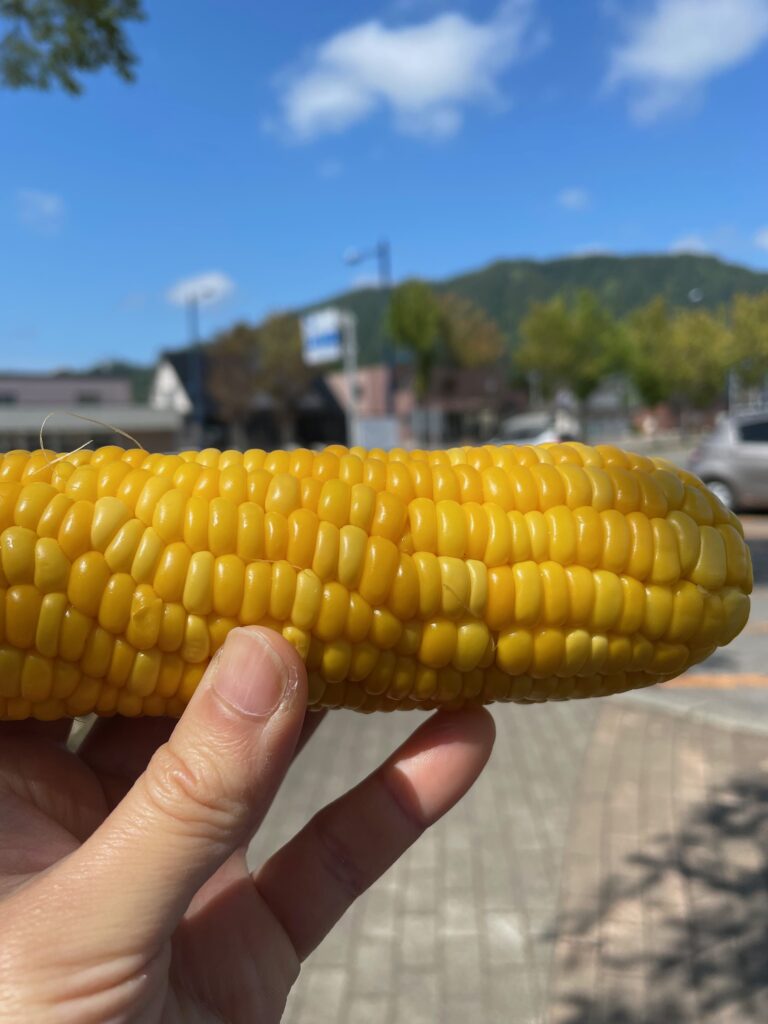
Potatoes, carrots, pumpkin, chili peppers — everything tastes rich and fresh.
You don’t need to go to an expensive restaurant. Even vegetables sold at roadside stations are delicious. Simply boiling them and adding a little salt is enough.
Personally, I especially recommend corn and a potato variety called “Inka no Mezame.”
Seicomart
Seicomart is a convenience store chain unique to Hokkaido. Unlike nationwide chains, it’s regional.
Their in-store kitchen called “Hot Chef” is excellent.
I especially recommend the onigiri — generous filling, good size, and great balance with the seaweed.
If you go, onigiri is a must.
Recommended Stay
At least one week.
Combine hiking with cultural exploration.
Safety Tip
Always check the latest updates: Link here.
Brown bears (Ezo brown bears), which are larger than the Asiatic black bears found on Honshu, and they inhabit Hokkaido. Be sure to take proper precautions against bears.
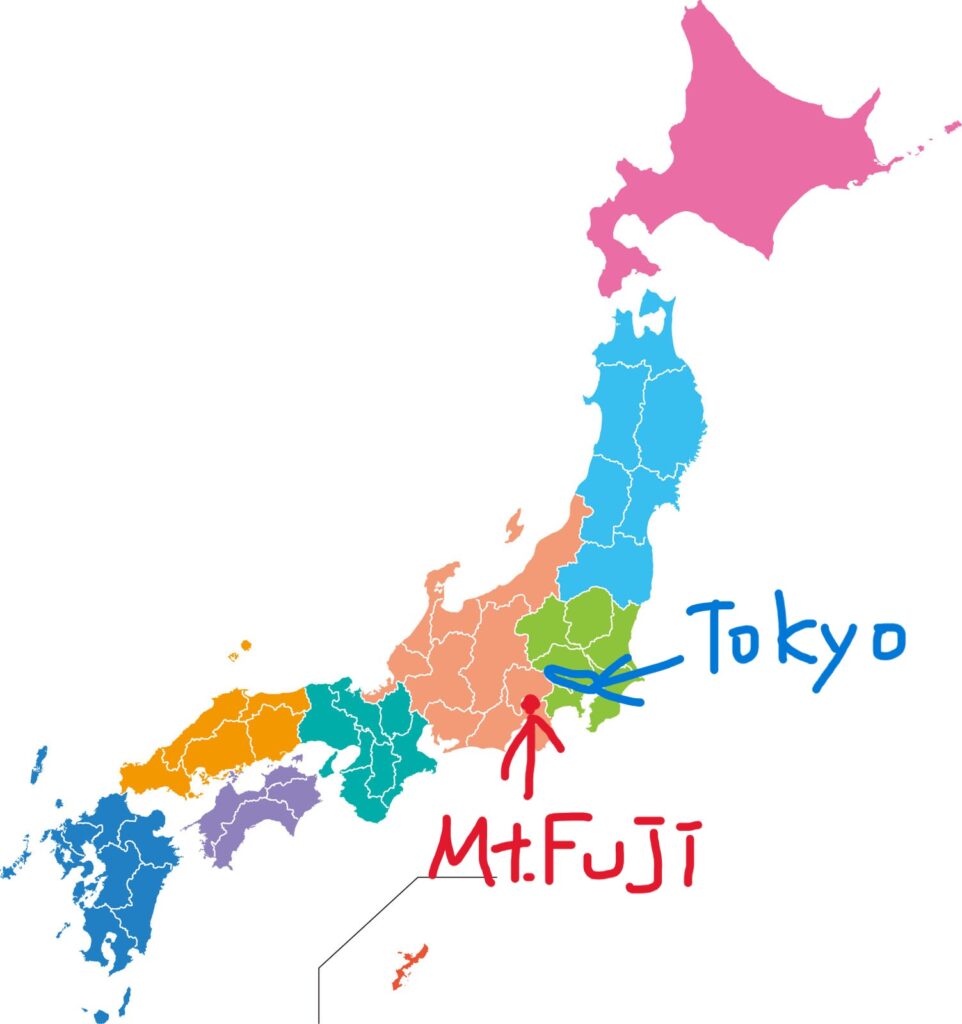
5. Mount Fuji (Shizuoka/Yamanashi) – The Symbol of Japan
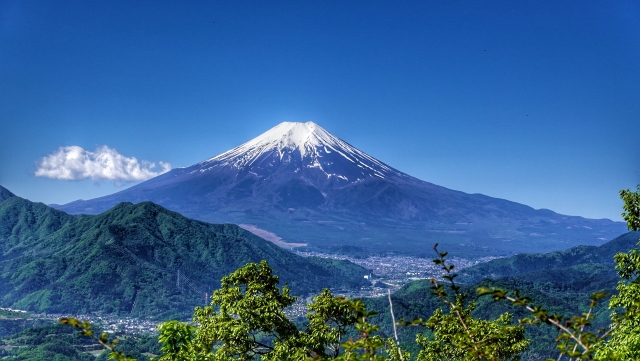
Mount Fuji is Japan’s highest active volcano, an object of faith, and a symbolic presence for the country.
It straddles Shizuoka and Yamanashi Prefectures in central Japan.
Why I recommend this mountain:
When introducing Japan’s volcanoes, this is a mountain you simply cannot leave out.
Highlight
1. A Mountain to Worship
Personally, I believe the true charm of Mount Fuji is not climbing it, but admiring its beautiful and dignified figure from afar.
Seeing Mount Fuji from the window of the Shinkansen feels almost sacred —with just one look, you can understand why it has long been an object of faith for the Japanese people.
Climbing another mountain to view Mount Fuji is also highly recommended.
Mountains with great views of Fuji include:
・Mitsutoge
・Ishiwariyama
・Takazasu-yama
Of course, climbing Mount Fuji itself is also wonderful.
In summer, many hikers visit. The Yoshida Route is the most popular and is recommended for beginners.
Best Season
If your goal is to see Mount Fuji, winter is beautiful — especially early winter when snow begins to cover the mountain.
If you plan to climb it, the official climbing season after July (summer) is recommended.
Access
By Car:
Tokyo → Fuji Subaru Line 5th Station: ~2 hrs
Osaka → Fuji Subaru Line 5th Station: ~5.5 hrs
By Public Transport:
Tokyo → 5th Station: ~3.5 hrs (train + bus)
Osaka → 5th Station: ~10–11 hrs
6.Quick Guide by Trip Length and Vibe
1–2 days → Kusatsu
3–4 days → Adatara
1 week → Aso or Daisetsuzan
Wild volcanic landscapes → Aso
Sacred artistic scenery → Adatara
Onsen × Mountain → Kusatsu
Vast wilderness → Daisetsuzan
Iconic Japan → Mt Fuji
If you’re seriously considering hiking in Aso or planning a longer volcano traverse in Adatara, I’ve written detailed route guides and logistics breakdowns in separate articles.
Those include GPX information, trail conditions and personal route strategies. Please check them below.
I’ve also introduced other recommended climbing areas, so feel free to explore those as well.
I hope you have a wonderful journey.