
Tokyo? Osaka? Fukuoka?
If you’re tired of big cities and want real nature in Japan, then I’d definitely recommend Kuju!
The Kuju Mountains offer everything from half-day hikes to multi-day traverses.
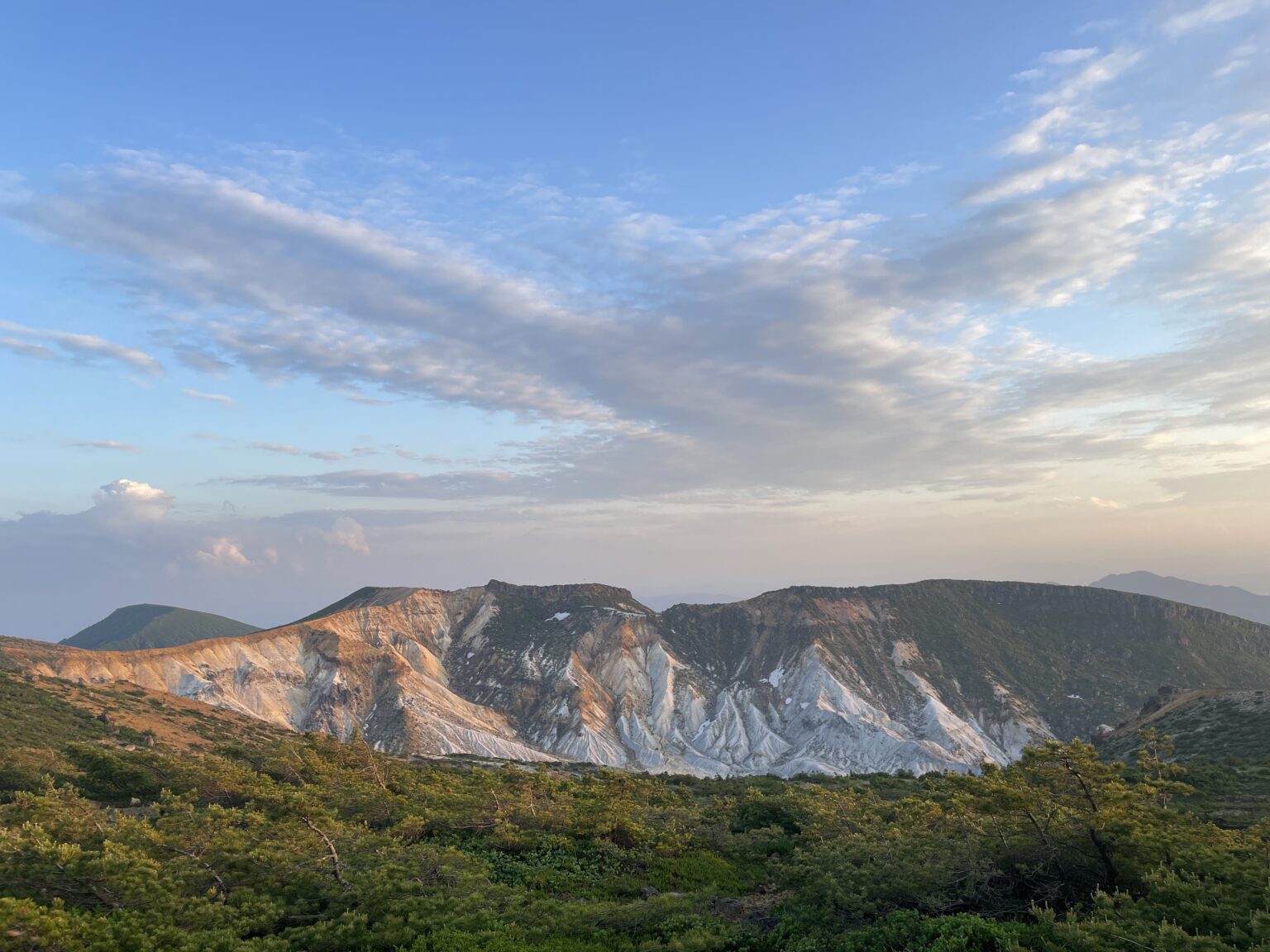
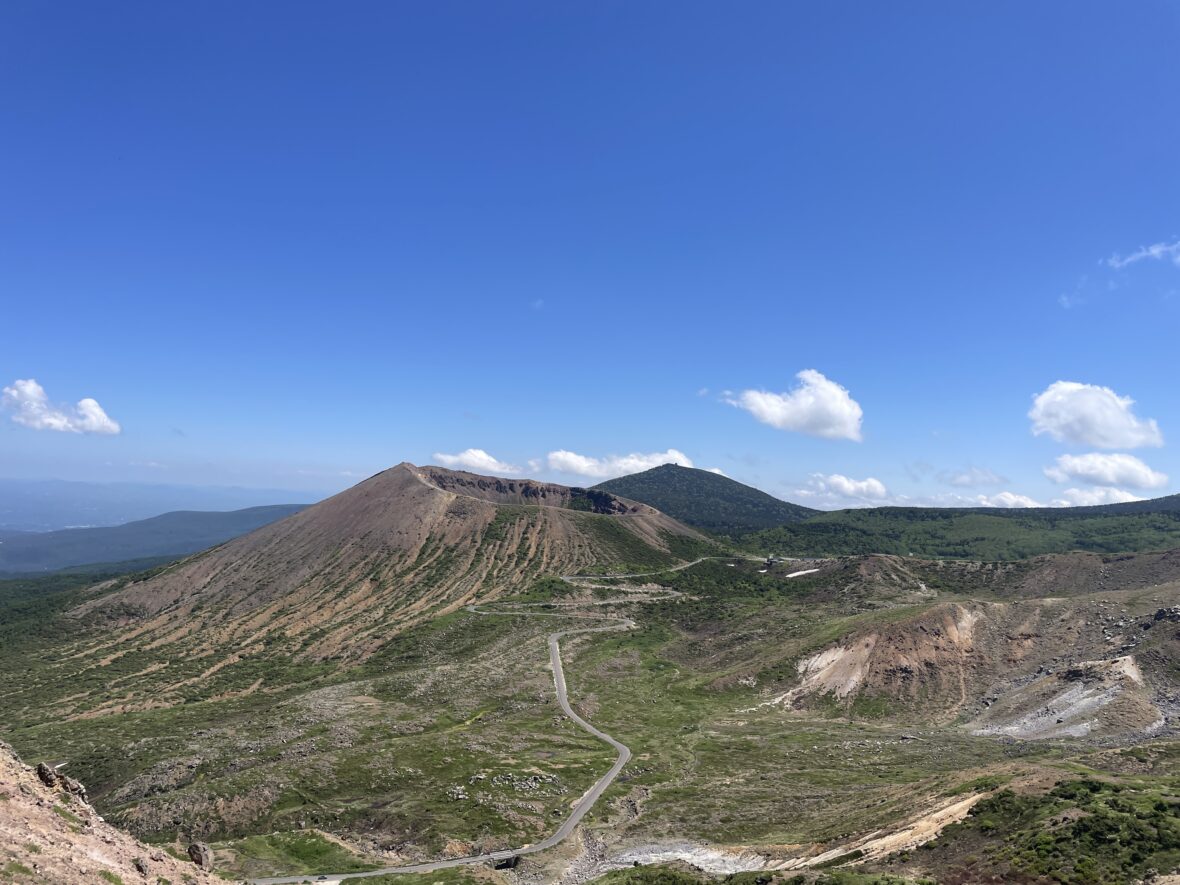
Wide-open views, vast grasslands, hidden wetlands, and active volcanoes create a uniquely wild landscape. And along the way, you can even enjoy hot springs and great local food—pure Japanese culture in the mountains.
If you’re seeking real nature and culture in Japan, start your adventure here.
I’ll also link detailed trekking reports below so you can plan confidently.
Contents
1.Overview
The Kuju Mountains are located in Oita Prefecture, Kyushu.
They include Mt. Nakadake—the highest peak on mainland Kyushu—and 11 peaks over 1,700m. Because of this, the range is often called “The Roof of Kyushu.”
The region features the Tadewara Marsh—the largest volcanic wetland in Japan—and Bogatsuru Marsh, both registered under the Ramsar Convention.
Nearby lies the massive Aso Caldera, making it easy to enjoy Aso + Kuju in the same trip.

2.Why Kuju Is Special
① See Japan’s most dramatic landscapes in one place.
Volcanic badlands, a stunning crater lake, and steam rising from active peaks—each summit reveals something entirely different. The scenery changes every 30 minutes, so you never get bored.
You’ll discover a side of Japan’s nature you’ve never seen- or even imagined-before.

② Four Dramatic Seasons
Kuju is known as “Black (spring), Blue (summer), Red (autumn), White (winter).”
Spring brings blackened landscapes of Noyaki (Controlled Grassland Burning—a tradition lasting over 1,000 years), summer is bright green, autumn is fiery red, and winter transforms the mountains into a snow world.

③ Great for All Levels
Peaks are close together and connected by high ridgelines, meaning less elevation loss and easier multi-peak traverses.
Perfect for families, or experienced hikers seeking long traverses.
3.Best Season
All seasons are beautiful.
But the most comfortable and scenic period is April (one month after controlled burning) to early November.
And there are no bears living in Kyusyu, so bear safety measures are not necessary.
4.The Mountains of Kuju
Kuju is home to Kyusyu’s highest peak, with eleven summit over 1,700m and more than thirty-five over 1,000m. Here are some off my top picks.
• Mt. Waita:A standalone mountain ideal for trail runners—flowy and runnable terrain.

• Mt. Nakadake:The highest peak in Kuju. Enjoy a full 360° panorama and a stunning view of Oike Crater Lake below.
• Mt. Kuju:The most popular mountain in the range. Iconic views and a great introduction to Kuju.

• Mt. Hoshio (My personal favorite!):Rocky, technical, and incredibly rewarding. Fantastic 360° views including the volcanic Mt. Iodake.

• Mt. Oofuna:Famous for its fall colors and the beautiful crater lake near the summit.

• Mt. Heiji:Known for Miyama Kirishima flowers that turn the mountain into a pink garden in June.

5.Top Trails
① Mt .Waita Loop (Perfect for Trail Running)
Distance: 13.6 km / Time: ~6 hrs
Difficulty: Intermediate
Highlight: runnable, with wide-open views.
Detailed trail report is HERE.


② Classic Kuju Ridge Route
Distance: 11.9 km / Time: ~6 hrs
Difficulty: Intermediate
Highlight: Covers all “must-see” peaks with minimal ups and downs. This route is a must!

③ Bogatsuru & Kitasenrigahama Loop
Distance: 10.8 km / Time: ~4.8 hrs
Difficulty: Beginner
Highlight: A trail that doesn’t aim for the summit but takes you through unreal, adventure-filled scenery.

④ Kuju 17 Summits (For Strong Hikers Only)
Distance: 20.8 km / Time: ~14 hrs
Difficulty: Expert
Highlight: Take on all major peaks in a single day. Become a “Kuju 17 Summitter.”
6.Non-Hiking Highlights
• Tadewara Marsh
Easy boardwalk paths near the Chojabaru Visitor Center.
Perfect for a short nature walk.

• Oike Crater Lake
Often skipped by hikers, Oike is a spot you shouldn’t miss if you’re heading to Mt.Kuju or Mt.Nakadake.
This quiet mountain pond offers a calming beauty and makes a perfect lunch stop.
In winter, it freezes completely, and you may even see people walking on the ice.

• Kitasenrigahama
My top recommendation!
It feels volcanic, Himalayan, even Alaskan—but the closest impression was something spiritual, almost like “Sai no Kawara”, the riverbank said to border the afterlife.
With views of Mt. Hoshio and the steaming Mt. Iodake, the place is beautiful yet slightly eerie. Truly unforgettable.

• Bogatsuru Marsh
A remote highland basin at 1,200–1,300 m.
A Ramsar wetland with wide open scenery and a long straight path that feels like the start of a great journey.

7.Local Food to Try
• Toriten (Chicken Tempura)
Ōita’s soul food: light, crispy chicken tempura that’s juicy inside.
You eat it with vinegar-soy sauce and mustard. Found in supermarkets and roadside stations.

• Ryukyu
Fresh local fish marinated in soy sauce, mirin, sesame, and ginger.
Silky, flavorful, great on rice—or with a beer.

• Sweet Soy Sauce (Kyushu-style)
Kyushu’s signature soy sauce contains added sugar or sweeteners.
Sweet-salty and addictive. Try it with local dishes!

• Chicken Sashimi
Raw chicken slices served with soy sauce, ginger, and garlic.
A Kyushu must-try—pairs perfectly with beer.

• Soft Serve Ice Cream
Aso has many dairy farms, meaning extremely fresh soft serve!
Top pick: Milkland Farm.

8.Local Culture
• Onsen Culture
Ōita is Japan’s Onsen Kingdom.
Near Kuju, you’ll find Suji-yu Onsen, and deep in the mountains, Hokkein Onsen Sansō, a lodge with its own hot spring reached after a two-hour hike—a uniquely luxurious experience.
• Sand Baths
A sand attendant buries you in warm, steam-heated sand. In 5–10 minutes your whole body warms from the core.
A bit far from Kuju, but absolutely worth the visit.

• Noyaki (Controlled Grassland Burning)
From February to April, locals conduct controlled burns to maintain the grasslands—a tradition lasting over 1,000 years.
It’s dramatic and essential to the region’s ecosystem.
Note: The scenery looks barren right after the burn, so it’s best to visit about one month later.
9.Where to Stay
• Suji-yu Onsen – Kiyasuya
Great food and hot springs- this is the spot. All rooms have private outdoor baths.

• Kan-no-Jigoku Ryokan
Historic onsen inn with sauna and irori-style dinner.

• HOTEL R9 The Yard Kikuch
If hot spring towns are too pricey, stay at a hotel nearby and visit onsens just one day.
This hotel has quiet, container-style rooms.


10.Getting There
Car
• Aso Kumamoto Airport → Makinoto Pass Trailhead ~1 hr 20 min by car
• Oita Airport → Makinoto Pass Trailhead ~1 hr 30 min by car
Public Transport
Oita Airport → Yufuin Station (bus, 1 hr) → Makinoto Pass Trailhead (bus, 1 hr)
More info: Bus time table is here
If you want a place where you can hike for one day or traverse for several days—while enjoying onsens and local food—Kuju is your perfect destination!
You can also check out my articles on nearby Aso and other regions and outdoor activities in Japan from the links below!